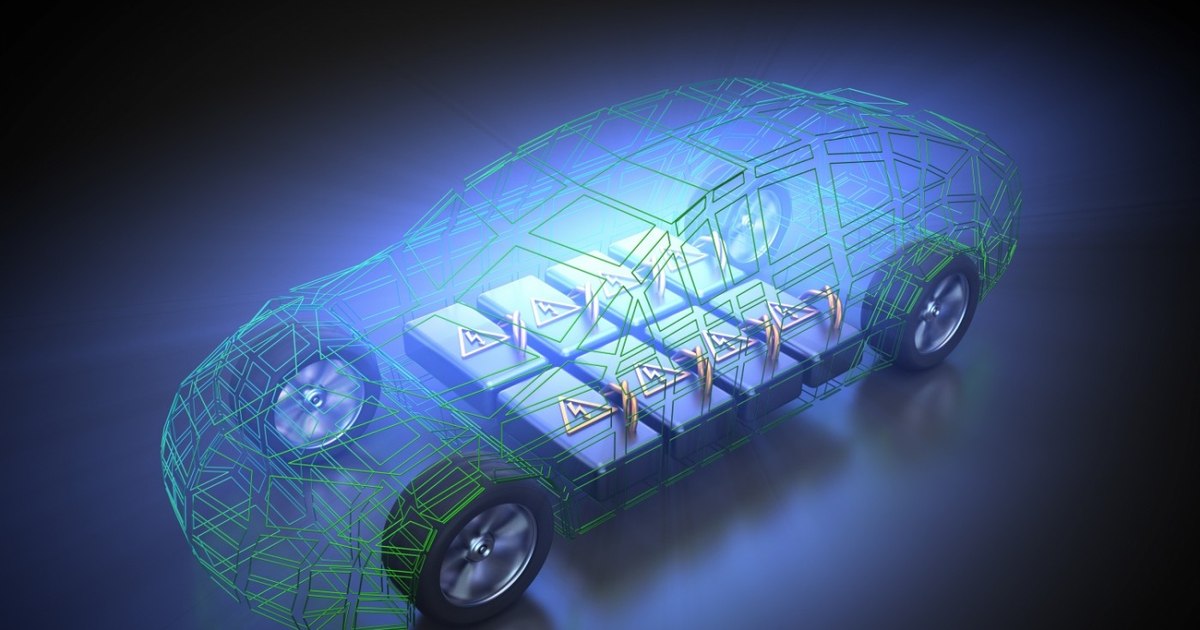
China is building so-called “disposable” electric cars with a limited lifespan due to battery wear in an attempt to compete on low prices with major European car companies.
China builds electric cars with a lifespan of only 2 years. Photo by Shutterstock
In China, a lot of new electric cars are ending up as scrap metal, the international press writes, stating that the technology becomes obsolete so quickly that repairs are more expensive than buying a new car. This is a huge problem for European car manufacturers.
In China, cars are becoming disposable goods, writes t-online.de. While European manufacturers focus on longevity, electric vehicles in China are often discarded after only two or three years. Experts see a trend that is turning cars into short-lived consumer goods – similar to smartphones.
Technology ages faster than the body
The reason for this change lies in rapid technological advances. Battery and software life cycles are now so short that cars become technologically obsolete in just a few years. “Battery technology is developing faster than the automotive industry”, said Xing Zhou from the consulting firm AlixPartners to the specialist magazine “Automobilwoche”. In the eyes of many young Chinese, someone who drives a two-year-old model already has a “classic car”.
This dynamic is also fueled by the way these vehicles are produced. Most affordable electric models are developed on modular platforms, with standardized components and extremely short production cycles, sometimes under 18 months from concept to delivery. Manufacturers such as BYD, SAIC Motor or Geely rely on vertical integration – they produce their own batteries, software and key components – thus reducing costs and speeding up the launch of new models. Factories are heavily automated, and production is optimized for high volume and minimum cost, not long-term sustainability.
The resulting cars are often equipped with LFP (Lithium Iron Phosphate) batteries, which are cheaper and safer, but with lower energy density and sometimes lower performance over time compared to other technologies. The power of these vehicles varies, as a rule, between 100 and 200 horsepower for the basic models, and the actual range is often between 300 and 400 kilometers. The interior is dominated by large screens and advanced software systems, constantly updated over-the-air, but precisely these digital systems contribute to the rapid “aging” of the car, since new generations come with significantly improved functions at very short intervals.
It is no longer worth repairing
The fierce price war in the Chinese market is accelerating this trend. Simple electric cars often cost less than €20,000 to produce. If the battery needs to be replaced after three years for about 10,000 euros, it is a mistake, from an economic point of view, to purchase such an electric car, say the Chinese specialists.
Dacia's new electric city car will be launched before the Paris Motor Show
According to them, owners prefer to buy a new car instead of replacing the used battery with a new one. Since there is a functioning second-hand car market in China and leasing options are scarce, end-of-life vehicles end up in huge warehouses. These car graveyards are the visible sign of an industry that only knows new sales.
Beijing is letting the market take its course
The Chinese government no longer intervenes directly in the market as in the past, when it massively supported the industry through subsidies. In the current five-year plan, the state has started to reduce these aids, leaving the competition to decide the winners. With electric cars already becoming cheaper than combustion engine cars in China, the competition is moving almost exclusively on price. Manufacturers are thus forced to design their models starting from a final cost as low as possible, adapting the technology to this threshold. In essence, the advantage no longer comes from pure innovation, but from the ability to provide enough technology at the lowest possible price.
For many automakers, this direction will turn into a tough fight for survival. Experts predict that the extreme pressure on prices will, in the next two years, lead to the disappearance of many brands and the consolidation of the market around a few big players. It is unlikely that the model “disposable machines” to be adopted in Europe as well, where sustainability standards and durability expectations are much higher. In addition, the price level in Europe does not allow the same strategy based on minimum costs and quick replacement of vehicles.
How much does such a vehicle cost
The cost of such a “disposable car” in China is central to understanding the phenomenon, and concrete market data shows how different the situation is from Europe. Nowadays, there are new electric models that start at extremely low prices. For example, the BYD Seagull has come down to under $8,000 (about €7,000–€7,500) after recent price cuts, according to Electrek. The standard versions of the same model are around 9,500–10,000 dollars, writes Auto in China.
Another effect of rising fuel prices in Europe: Explosive growth in sales of electric cars
This is not an isolated exception. There are dozens of electric models under $12,000 on the Chinese market, and some of the most popular electric vehicles cost between $6,500 and $11,000. Basically, for the price of a new car in the US or Europe, a buyer in China can purchase several basic electric vehicles.
In the segment most relevant to the discussion of “fast consumption”, most of these cars fall between around 7,000 and 12,000 euros. They are small, urban models with relatively compact batteries and autonomy of about 300–400 km in the Chinese test cycle (CLTC), as is the case with the Seagull model, which offers up to about 305–405 km. Even at this price level, they already include modern features such as driving assistance systems or advanced digital interfaces, which shows how intense the technological competition is.
This combination of very low price and rapid development of technology completely changes the economic logic. If a car costs around 10,000 euros, and replacing the battery can reach several thousand euros, it becomes more cost-effective for many users to buy a new model than to repair an old one. In addition, prices continue to fall amid an aggressive tariff war between manufacturers, further accelerating the replacement cycle.