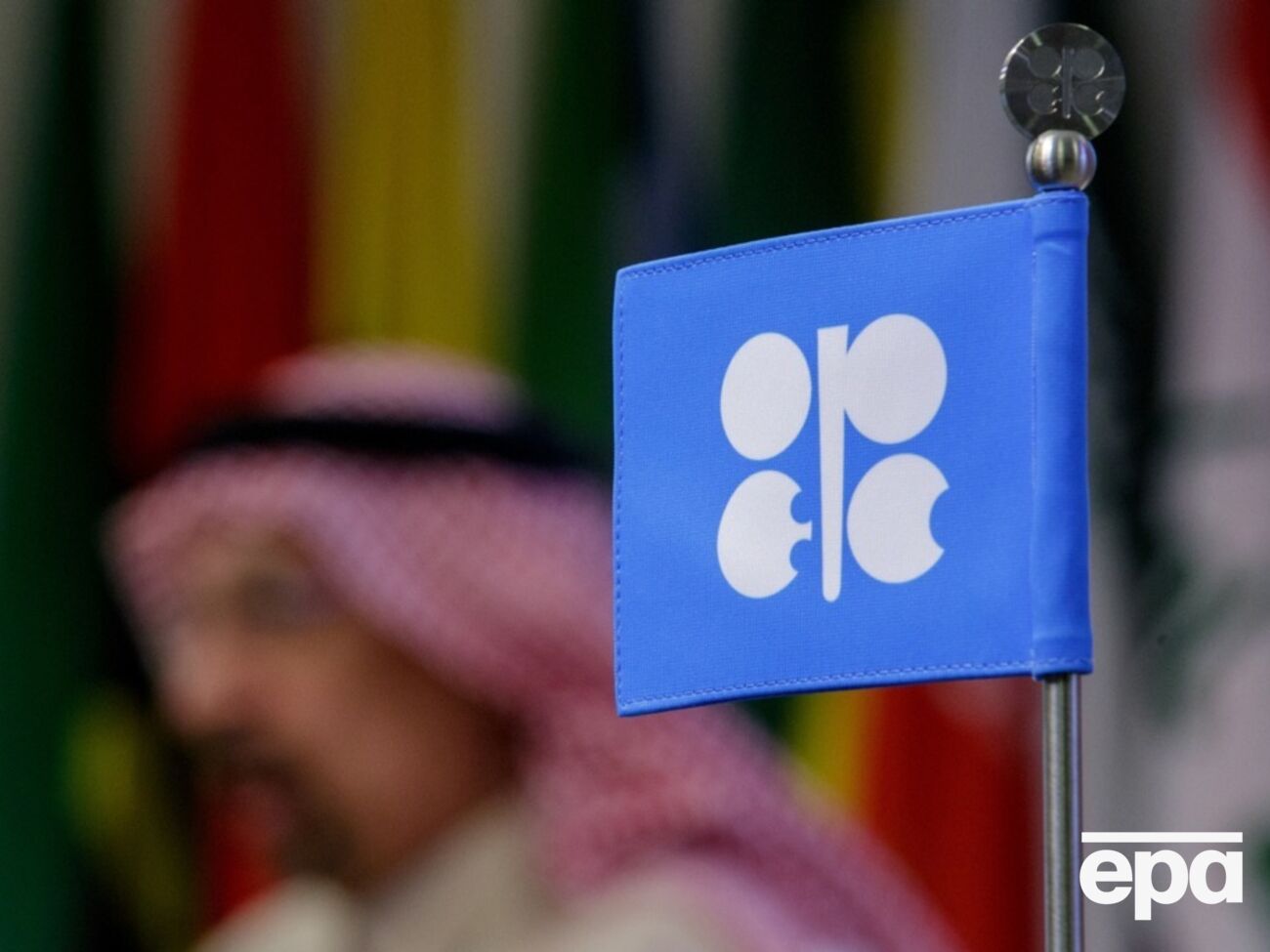
The United Arab Emirates decided on May 1 to leave the OPEC group of oil producers after almost 60 years of membership. Bloomberg writes about this.
The UAE believes that leaving the organization will help the country adapt to changing demand. The state also intends to gradually increase oil production volumes.
Energy Minister Suhail Al Mazrouei said the turmoil caused by the war created an opportune time for the move. “We made this decision after a very careful and lengthy review of all our strategies,” he said.
The decision will be a serious blow to the organization and its de facto leader, Saudi Arabia, the agency writes.
Before the conflict, the UAE was the third largest oil producer in OPEC and provided about 12% of the organization's production. In recent years, differences have intensified between Abu Dhabi and Riyadh over production quotas and competition for influence in the region. Saudi Arabia has pushed for production curbs to support prices, while the UAE has sought to boost output after investing in the oil industry.
Analysts believe the UAE's exit could weaken OPEC in the long term. According to Rystad Energy expert Jorge Leon, outside the organization, the UAE will be able to increase production faster, which will call into question the role of Saudi Arabia as the main stabilizer of the oil market. Amid the war between the US and Iran, oil exports from the Persian Gulf have already declined, and oil prices in London are hovering around $111 per barrel.
The UAE's exit from OPEC was a victory for US President Donald Trump, Reuters also notes. Trump has previously accused the organization of “ripping off the rest of the world” by artificially inflating oil prices. He also linked US military support to the Gulf countries with oil prices, saying that while the US protects OPEC members, they “take advantage of this by imposing high oil prices.”
The UAE also criticized the leaders of the Gulf countries for their actions during the US-Israeli war against Iran. Crown Prince of Saudi Arabia Mohammed bin Salman held a consultative meeting of the Gulf Cooperation Council in Jeddah, writes Reuters. This is the first face-to-face meeting of Gulf leaders since the war in the Middle East began. According to Reuters, the purpose of the meeting is to develop a response to the Iranian missile and drone attacks faced by the Arab monarchies.