The end of the Tim Cook era at Apple. Here are his greatest successes and failures

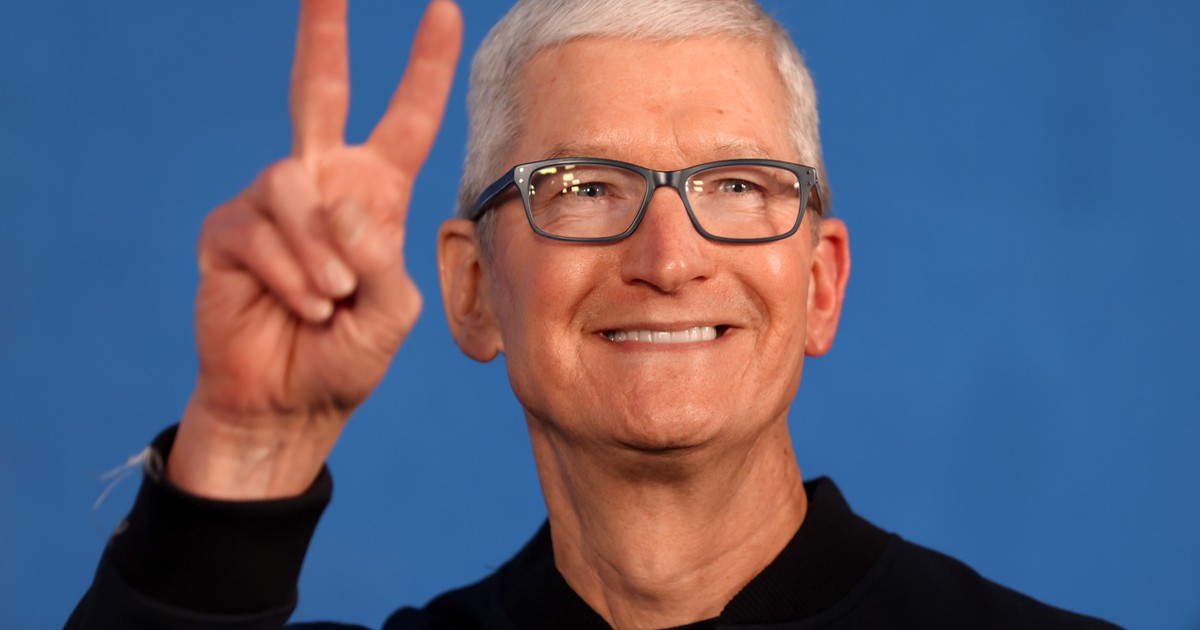
Cook was taking over Apple at a special time: the company had already experienced the iPhone revolution, which had brought it to the top, but it was unclear whether it could stay there without the charisma of Steve Jobs.
His response was not to try to play the same role, only building an Apple that is more mature, more disciplined and much more business-resilient.
It was under his leadership that the company grew from a corporation worth approximately $350 billion. to a company valued at USD 4 trillion, and its annual revenues increased from USD 108 billion to over USD 416 billion. — which best shows that Cook didn't so much reinvent Apple as teach it to operate on an unprecedented scale.
However, assessing his legacy is very difficult, and Tim Cook's successor will sooner or later have to face the challenges that his predecessor failed to cope with.
Read also in BUSINESS INSIDER
We usually associate Apple with a product company, but in practice it is also a huge logistics company. Efficient supply chain management is currently one of Apple's greatest advantages over its competitors — especially now, when access to basic components such as computer memory divides the technology world into winners and losers. This is largely due to Tim Cook, who started building this logistics empire when he was Steve Jobs' subordinate.
This is an advantage that is not very spectacular, but fundamental. For years, Apple has been able to maintain high margins, control premieres, efficiently scale production and at the same time monitor quality. This precision like a Swiss watch translated directly into the company's results – its scale and stability are built on the logistic foundation of Tim Cook.
Cook's business success
Cook's second great success is this services are no longer an addition to equipment. They have become one of the pillars of the entire business. Apple reports that its services division grew into a business worth over $100 billion during his tenure. per year – and this is certainly not the end of its growth.
Creating an ecosystem of services around Apple hardware and building a brand image based on security and privacy are some of Tim Cook's most important achievements.
|
mat. press releases
This has changed Apple more than it may seem at first glance. App Store, iCloud, Apple Music, Apple Pay, Apple TV+ and AppleCare allowed the company to regularly earn money not only from the sale of devices, but also from their daily use. Thanks to this Apple is less dependent on the launch cycle today than it used to be and can generate more predictable revenues.
Cook's product success
One of the simplest criticisms against Cook was that after Steve Jobs, Apple stopped inventing new things. This is not entirely true. It was under Cook that the company introduced the Apple Watch and AirPods headphones.
In practice, AirPods have changed the wireless headphones market forever, just as the iPhone changed smartphones forever. From the day of its premiere, it has been the most popular series of headphones of this type, which has been a reference point for all other manufacturers, and thanks to its characteristic (or controversial) design, it has become a fashion item.
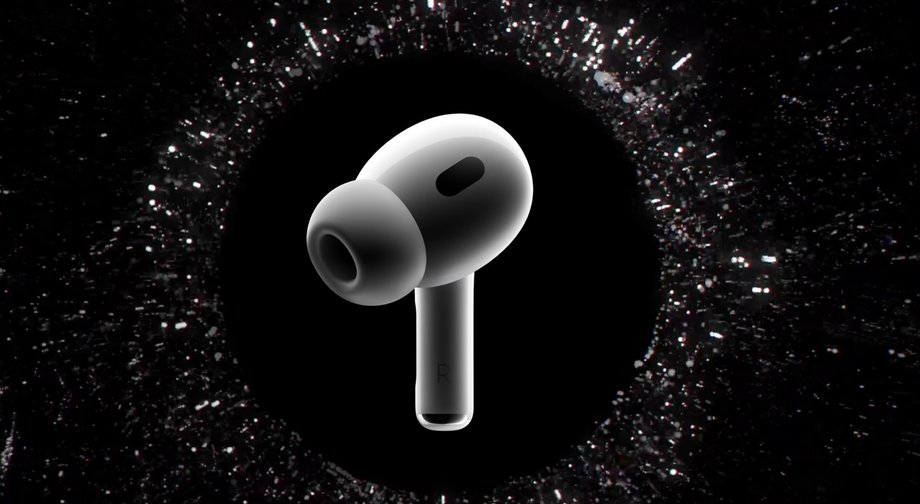
The AirPods family of headphones is the biggest new product success of Apple led by Tim Cook.
|
mat. press releases
The situation is similar for a watch. Apple Watch still remains the leader in the smartwatch market, although the competition is pushing hard and Apple's advantage is smaller today than it was a few years ago. Still Cook leaves behind two categories that have become everyday products for millions of people. In this way, they have actually strengthened the entire Apple ecosystem, making it, on the one hand, more attractive and, on the other hand, more difficult to leave.
Cook's technological success
It is true that it was during the times of Steve Jobs that Apple began to design its own processors, but it was during the times of Tim Cook that a strategic decision was first made to cooperate closely with TSMC, and then to abandon Intel processors in favor of the M series systems in MacBooks.
These are moves that don't look spectacular in the headlines, but in practice they made a huge difference. Thanks to M-series processors, the Mac has improved energy efficiency, longer runtime, and a clearer identity – in other words, MacBooks have become the best laptops on the market.
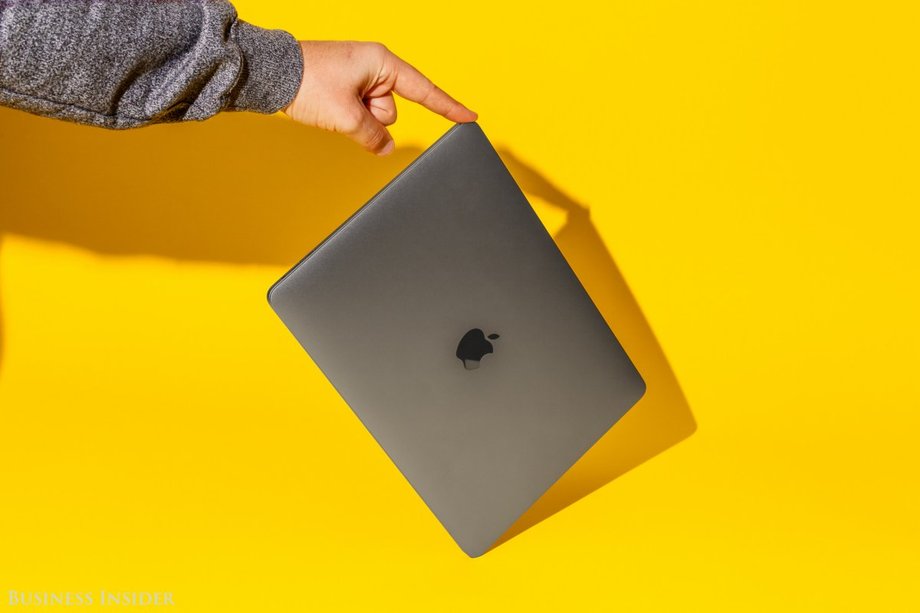
Thanks to Apple's silicon designs, MacBooks have risen to the top of many laptop rankings.
|
Hollis Johnson/BusinessInsider.com
Developing a strategy of vertical integration of hardware and software at the end of Tim Cook's term also gave us the MacBook Neo – hardware that we may soon remember as the most important new Apple product of the decade.
Cook's biggest failure: Apple is still an iPhone company
Despite the successes described above, which also included new product categories, Cook did not solve Apple's most important strategic problem. The company still relies too heavily on one product. In fiscal year 2025, the iPhone generated $209.6 billion for Apple. revenues with total revenues of USD 416.2 billion. That means that accounted for more than half of the company's total sales.
This is the most important weakness of the entire Cook era. The services have grown to a huge scale. Wearables have become important. The Mac came to life thanks to its own circuits. But none of these pillars lifted the burden of the iPhone from Apple as much as might be expected after 15 years and from a company of its scale.
Cook diversified Apple, but it did not make it independent from the product, which has remained the heart of the entire business for years. And that's what makes its balance sheet so financially strong, yet strategically incomplete.
Failed attempts to find “life after iPhone”
That doesn't mean he didn't try. Of these brand new products that were supposed to change the world but failed, the most striking example is the Vision Pro goggle. From the technological point of view, this equipment is incredibly interesting and one could even say visionary. On the sales side, however, it is a failure by the standards of a company as large as Apple.
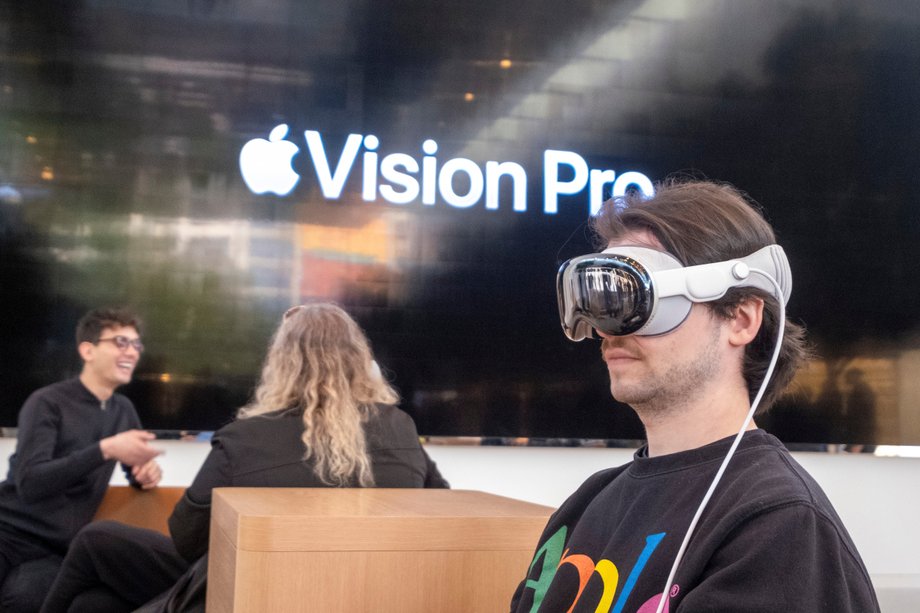
Apple Vision Pro: an impressive device in terms of technology and (at least for now) a failure in terms of sales.
|
RINGO CHIU / Shutterstock
However, Tim Cook's Apple was certainly the most painful product failure Project Titan fiascoi.e. a car with a bitten apple on the hood. Work on it had been going on since 2014, the project changed direction many times, involved thousands of people, and was finally canceled in February 2024. According to media reports, when the project was closed, about 1,400 people were still working on Titan.
Titan is important not because Apple hasn't entered the automotive industry. It's important because shows the limitation of the entire Cook era. The company was great at developing what it already had, but was unable to deliver the most ambitious project in a new category.
The shadow at the end of the term: Siri and artificial intelligence
There is one more problem at the end. Cook hands over the reins to Apple at a moment when the entire industry is being transformed by generative artificial intelligence. I don't think anyone fully understands what the company's long-term plan for this technology is. Theoretically, it was supposed to be related to the development of Siri and the Apple Intelligence brand. The first advertisements of this duo looked interesting and impressive, but it turned out that they were very premature and some functions announced several months ago are still not available in the latest versions of iOS.
This is especially symbolic because Siri used to be one of the most recognizable voice assistants on the market. Today, Apple ends the Cook era with the question of whether the company was too late for the most important technological change of the decade.