Spring feeding of currants is a responsible matter. It directly determines how many berries the bushes will bear. Victoria Radzevskaya, a professional gardening expert from the Pskov region, told in her blog (12+) how and when to fertilize shrubs so as not to be left without a harvest.
The best time to feed
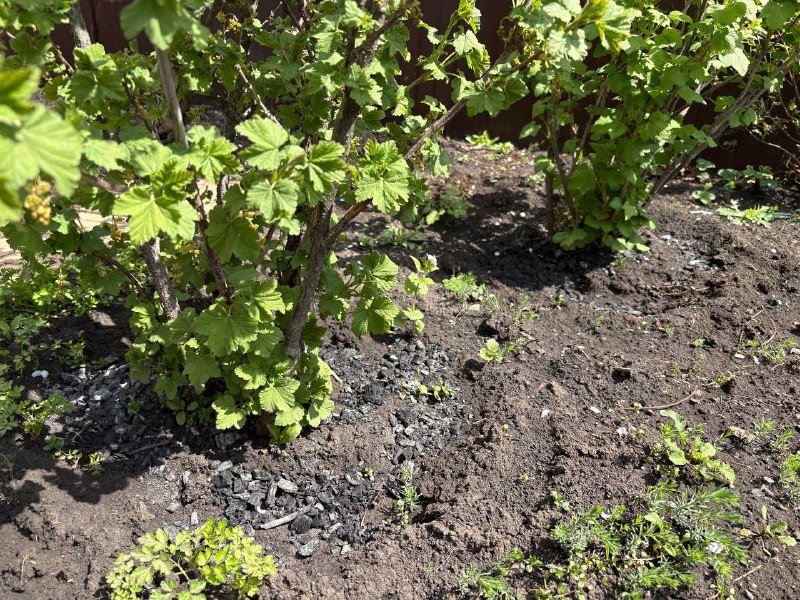
Now in the Pskov region, black and red currants are in the budding phase. The inflorescences are already clearly visible, but the petals still remain closed. The flowers have not yet bloomed. According to the expert, this is the best time to fertilize so that as many berries as possible will form in the future.
The red currant flowers have already begun to open. The black one is not yet blooming, and Victoria hopes that the bushes will slow down this process. The reason is the frosts that occur in many regions. If the flowers bloom and frost hits, they will freeze and there will be no more berries.
During the day the weather is warm and even hot, although the wind is cold. But in such conditions, the soil warms up quickly, and the roots already absorb nutrients well. Therefore, the expert plans to fertilize this week.
What substances do currants need during this period?
During the budding phase, plants require the most phosphorus and potassium. It is these elements that are responsible for good flowering and berry set.
Victoria Radzevskaya calls potassium monophosphate one of the best complex fertilizers for this stage. It contains about 50% phosphorus and 33% potassium. The substances are quickly absorbed by plants, and the fertilizer itself does not contain chlorine or other impurities.
How to prepare a solution and feed it properly
Preparing the solution is very simple. For 10 liters of water, take 1 tablespoon of fertilizer – this is approximately 20 grams of potassium monophosphate. The powder dissolves quickly in water.
5–7 liters of solution are poured under an adult bush. For young bushes, 3 liters is enough.
“As a result, red and black currant bushes receive the necessary substances and berries are formed from each flower. This feeding very well increases the yield of berries,” shares Victoria.