
Inflation is back on the rise in this country. The reason is the conflict in the Middle East

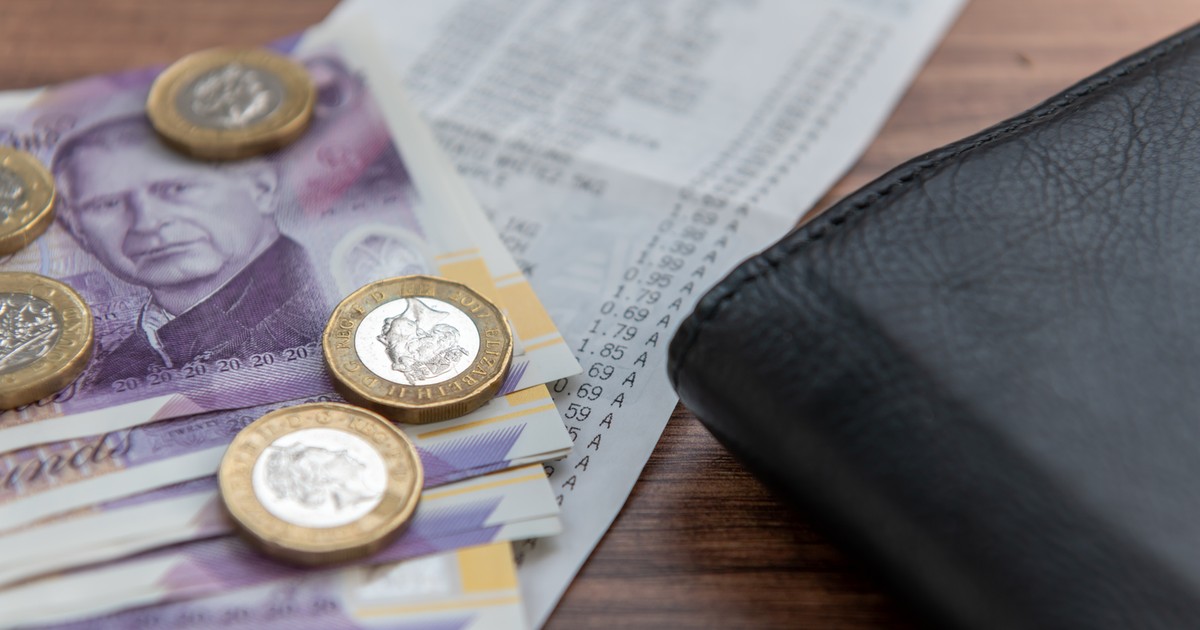
Inflation in the UK rose to around 3.3% in March., which means a clear rebound after the previous slowdown in price growth. The key factor turned out to be the rising prices of fuels, the prices of which went up as a result of tensions related to the conflict with Iran.
Increase from 3 percent in the year to February was “largely driven by increases in fuel prices”, with airfare and food prices also contributingreported the Office for National Statistics (ONS), quoted by the BBC.
The figures provide the first official picture of the impact of conflict in the Middle East on the cost of living in the UK.
Inflation is expected to be higher this year because of the war, and higher energy costs could also slow the economy because people and companies will simply have less money to spend.
Economists quoted by the BBC predict that iinflation may peak at around 3.5%. up to 4 percent this year. This will be higher than the Bank of England's target of 2%.but significantly less than the double-digit numbers recorded at the beginning of the war in Ukraine in 2022.
Fuels are pushing inflation up again
The increase in gasoline and diesel prices is a direct result of the disruptions on the oil market. The conflict in the Persian Gulf region limited the stability of supplies and raised the prices of energy raw materials, which quickly translated into costs for consumers.
More expensive fuel not only affects drivers – it also increases transport and production costs, which in turn translates into the prices of many goods and services.
- Read also: The British Prime Minister mentioned Trump and Putin. “I've had enough”
End of the downward trend. Inflation is back on the rise in the UK
As the BBC writes, until recently inflation in Great Britain was gradually decreasing, giving hope for price stabilization. However, the latest data shows that the situation may be turning, especially if geopolitical tensions persist longer.
Experts quoted by the BBC indicate that that energy prices remain one of the most sensitive elements of the inflation basket – they react quickly to international events and can quickly change the entire picture of the economy.
- Read also: The war in Iran is hitting state finances. Shock in Great Britain
A global problem
The impact of the conflict is not limited to the UK. Rising oil prices are affecting economies around the world, increasing inflation pressures and making it more difficult for central banks to fight high prices.
The situation around the Strait of Hormuz, through which a significant part of the world's oil is transported, is particularly important – any disruption in this region immediately affects global markets.


