Due to the uncertain geopolitical situation, many tourists probably prefer to go on holiday by car. And in this context Italy is once again becoming one of the most popular destinations for European vacationers.
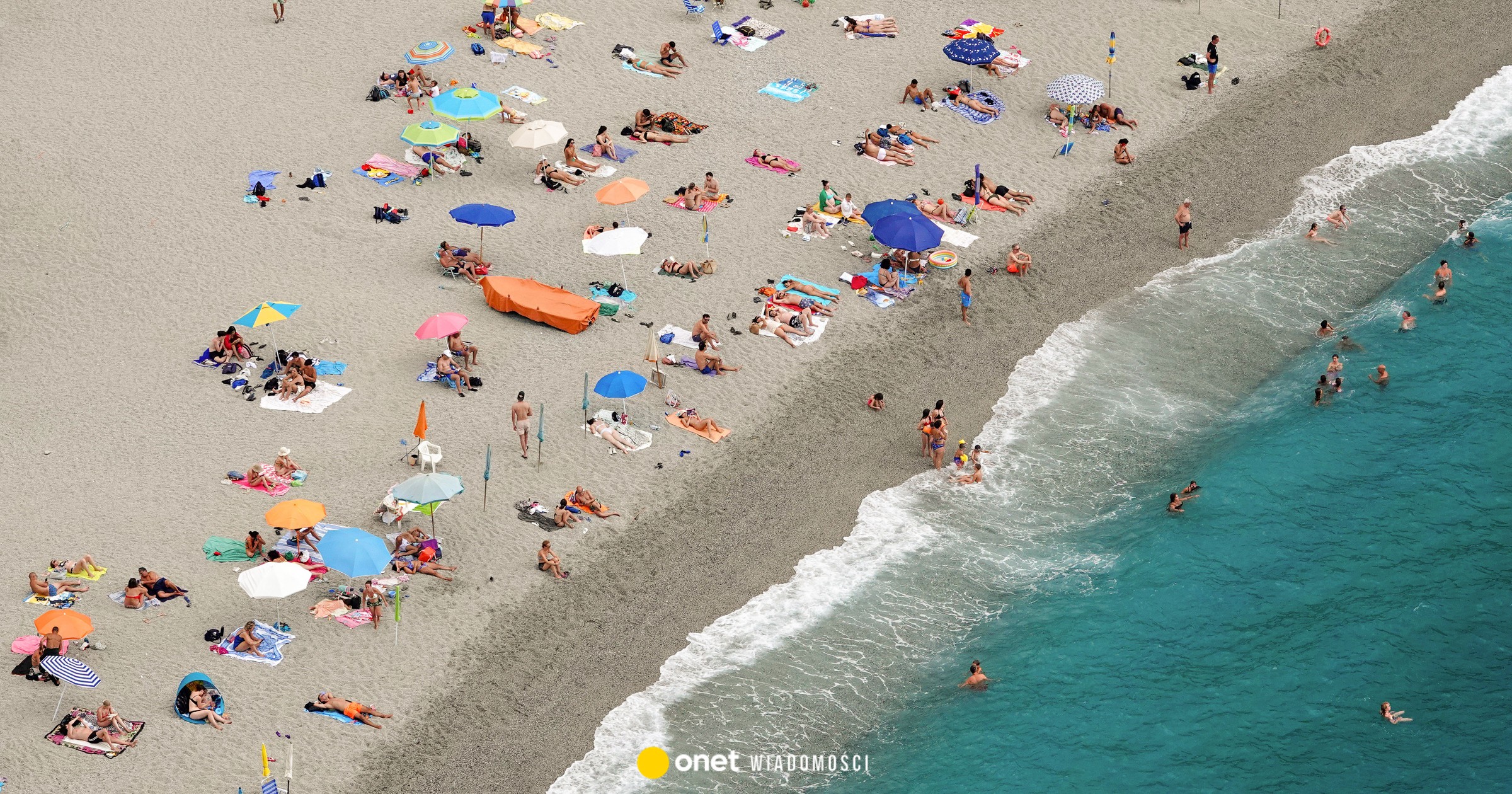
Everything looks as usual on the beach: colorful umbrellas, deckchairs, family businesses that have been running their bathing areas for generations. However, appearances are deceiving. Behind the idyllic facade, something is brewing – a reform is underway that could fundamentally change our seaside holidays in Italy.
At the latest by June 2027, Italy must announce new tenders for all existing beach concessions – under pressure from the EU. The basis is the so-called the EU-Bolkestein Directive of 2006. Its aim is to increase competition in the internal market. In Italy, this applies to approximately 30,000. operators – and thus family businesses that have been running paid beaches for decades.
For many, this may mean that the beaches that have been managed for years will be managed in the future by another, partly international operator.
The owners are defending themselves fiercely. Already in February, they demonstrated in Sanremo, as part of a music festival, under the slogan “Balneari incazzati” (angry swimming pools). Yesterday, the industry also announced a demonstration in Rome.
The protesters' goal is to stop or at least delay the re-granting of the license.
It's boiling on the beaches
During the season, beaches employ approximately 300,000 people. people and generate approximately EUR 15 billion annually (at the current exchange rate PLN 63 billion). Beaches are considered a public good whose commercial use should be subject to transparent bidding – similar to public procurement.
Operators are strongly opposed to new tenders. They talk about “sale” and “expropriation” because they have invested in their beach facilities for decades. Additionally, they fear that new license fees will be passed on to guests, a prices will increase significantly.
Private beaches have seen a significant decline in visitor numbers over the past year – making it too expensive even for locals.
The article continues below the video
The situation in the skies is also getting worse. The war with Iran and the blockade of the Strait of Hormuz caused a global fuel crisis. Many airlines are responding to this. Lufthansa has announced that it will significantly reduce its flight schedule until at least October. A total of 20,000 are to be canceled. short-distance calls.
Many holidaymakers are currently asking themselves: are my summer holidays still safe?
Beach in Alba Adriatica, Italy, July 6, 2024 (stock photo)Lorenzo Di Cola/NurPhoto/Getty Images
“Linie doesn't know what tomorrow will bring”
Routes over or through the Middle and Far East may be at risk, as it is necessary to avoid large air areas such as Iran and Sudan for security reasons. — Many regions are avoided in large areas. This leads to significant detours and congestion in corridors that are still safe, and therefore to higher fuel consumption and additional costs, aviation industry expert Hansjorg Egger tells Blick.
As fuel begins to run out, airlines are also making cuts on other routes. “Then flights to destinations that bring little or no profit are canceled,” adds Egger.
What does this mean for summer holidays? — Anyone who decides to take long flights in this situation should be aware that they bear the responsibility themselves the risk of getting stuck on your journey or having to buy expensive return tickets. Airlines themselves do not know what tomorrow will bring and are forced to adapt to the situation, says the expert. And those who have not yet booked tickets must take into account higher prices.
“When supply decreases and demand for available flights remains high or even increases, prices also go up – this is a market mechanism, not greed,” says Egger.
He believes that flights to classic European seaside resorts are now much less at risk than flights to distant destinations. Summer vacations by plane won't “fail” on a grand scale — but they could more expensive and less reliable.
I’m Ashley Davis as an editor, I’m committed to upholding the highest standards of integrity and accuracy in every piece we publish. My work is driven by curiosity, a passion for truth, and a belief that journalism plays a crucial role in shaping public discourse. I strive to tell stories that not only inform but also inspire action and conversation.