After limiting the medical investigations settled for patients with serious chronic diseases, the Minister of Health now wants to remove the restrictions: “A human life cannot be calculated in a budget deficit”

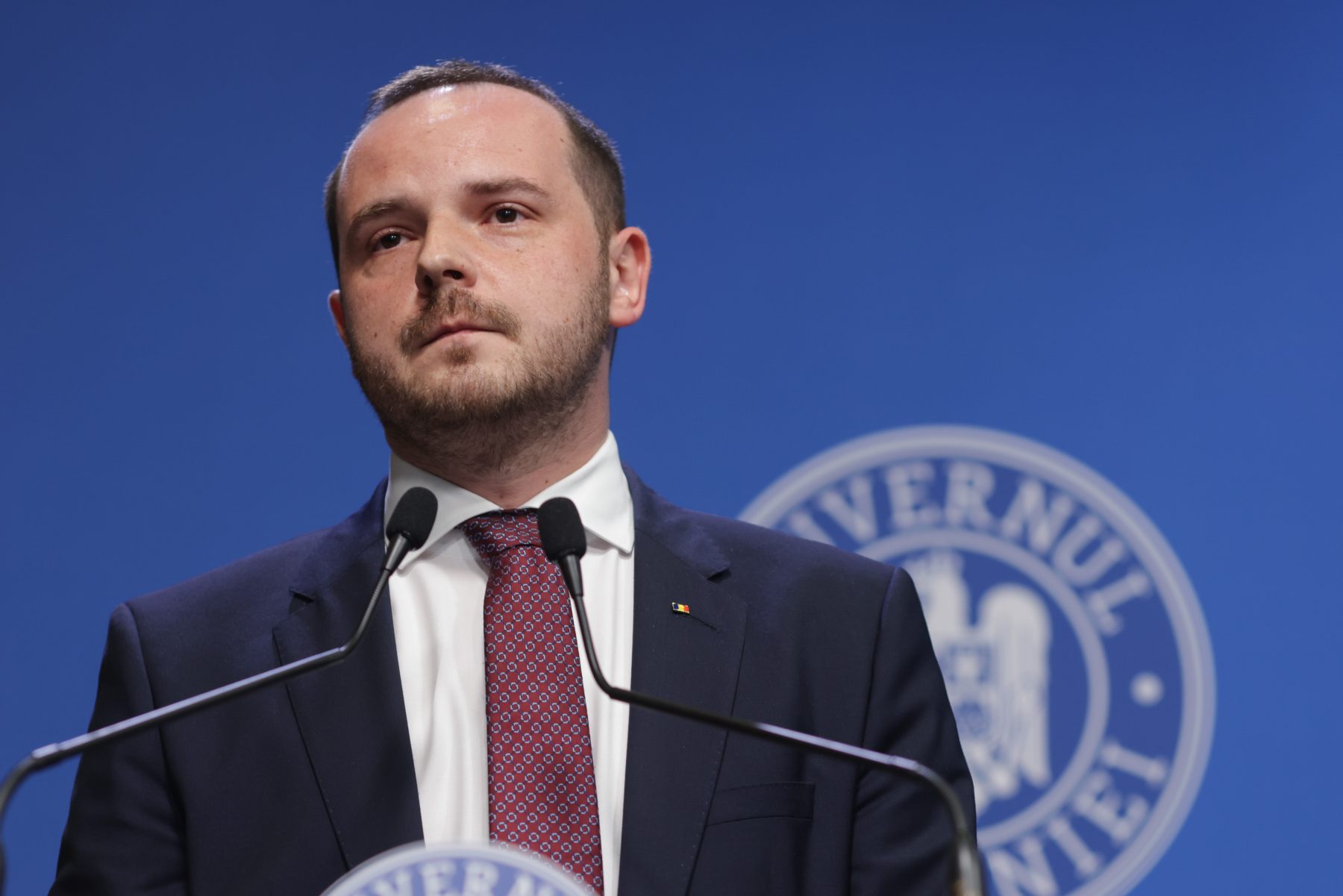
The Minister of Health, Alexandru Rogobete, announced on Wednesday that he is putting in decision-making transparency an emergency ordinance that will eliminate the limitations on the settlement of Monitor-type investigations for patients with serious chronic diseases, after a measure adopted last year by the Health Insurance House and the Ministry of Health significantly reduced access to diagnosis.
“Limiting the settlement of Monitor-type investigations to a single annual investigation per patient, proposed strictly as an accounting measure, but without nuances specific to the health system, produced an undesirable and immediate effect: access to essential investigations decreased sharply for chronic patients in the national health programs,” the minister wrote in a post on Facebook.
According to him, the data analyzed in January show that the number of these investigations was approximately 47% lower than the average of the fourth quarter of 2025.
“This means a direct limitation of access to diagnosis,” Rogobete pointed out.
“Because I am anchored in reality, because I am responsible and empathetic, I felt the need to urgently intervene and correct this imbalance created by accounting measures that do not take people into account (…) Budget savings cannot be made by limiting access to diagnosis, because a human life cannot be calculated in a budget deficit”, Rogobete also wrote.
According to the draft ordinance, for chronic patients included in national programs, with cardiovascular, oncological, neurological diseases or rare conditions, the investigations required for monitoring will be settled “according to medical needs, without abstract limits”.
“As if the evolution of diseases is identical for everyone and can be programmed in an Excel. Today, with administrative responsibility, while I am still the Minister of Health, I decided to make the Emergency Ordinance that comes to correct these anomalies in the functioning of the health system, even if, at a certain point, the financial calculations turned out well”, concluded Rogobete.
Healthcare providers have confirmed a “significant decrease” in investigations
Starting in 2021, patients with serious chronic conditions (cancer, diabetes, cardiovascular diseases, etc.) benefited from investigations under the Monitor regime: based on the referral ticket with the Monitor code, they could undergo medical investigations in an emergency regime, within a few days. Even if the monthly limit for free tests was exhausted by the respective clinic, the Monitor investigations were settled on a separate invoice.
But last year, the Health Insurance House and the Ministry of Health decided that a patient has the right to only one Monitor investigation of the same type, settled as an emergency, per year.
In fact, several of the largest patient associations in Romania, representing patients with autoimmune, neurodegenerative, liver diseases, diabetes, multiple sclerosis or primary immunodeficiencies, recently sent an open letter to the Ministry of Health and the National Health Insurance House in which they say that some of them have been trying for over 4 months, without success, to access medical tests settled through the Health Insurance House.
And the providers of private medical services under contract with the Health Insurance House spoke, for example, of a reduction of up to 67% in Monitor type investigations and asked for “the identification of effective solutions to ensure patients' access to essential investigations”.