Major summit in Iași, organized by the IULIUS Foundation: 55 mayors, architects, urban planners and citizens will take the stage TILIA – Today's Ideas and Leadership in Action


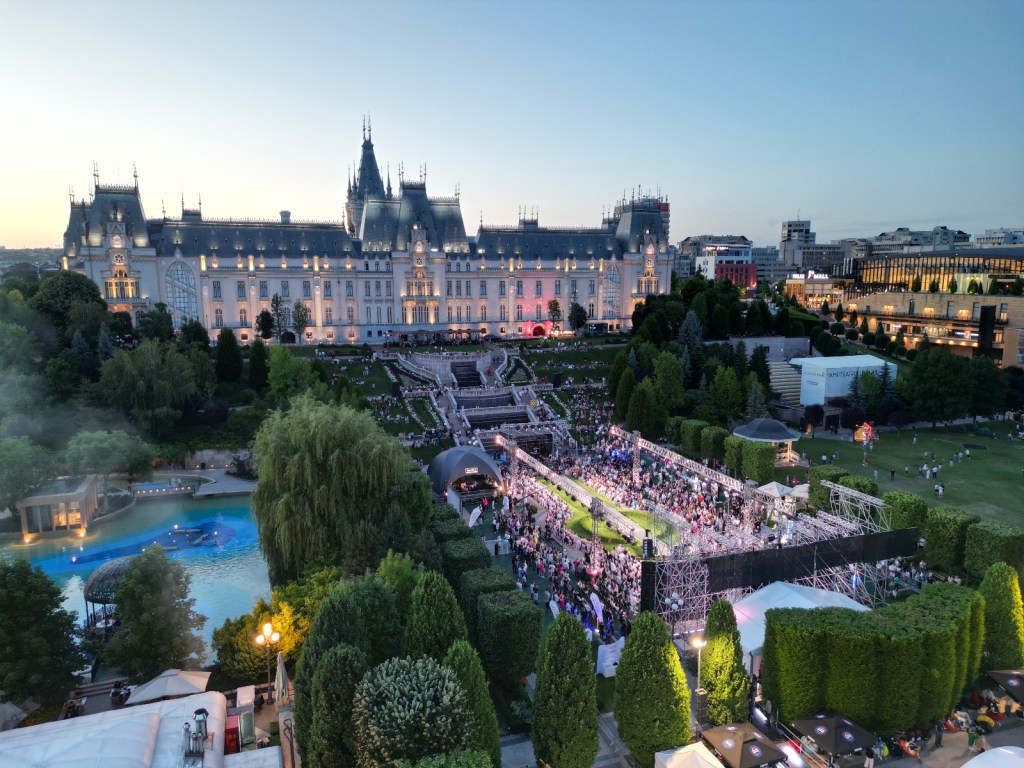
On April 23 and 24, 2026, the Palace of Culture in Iași is hosting a national event with a strategic stake: how we can transform Romanian cities. TILIA – The Romanian Cities Summit is organized by the IULIUS Foundation, in partnership with the European Bank for Reconstruction and Development (EBRD). This first edition of the event brings together approximately 400 participants, including: mayors, architects, urban planners, representatives of international financial institutions, business, academic and civil society.
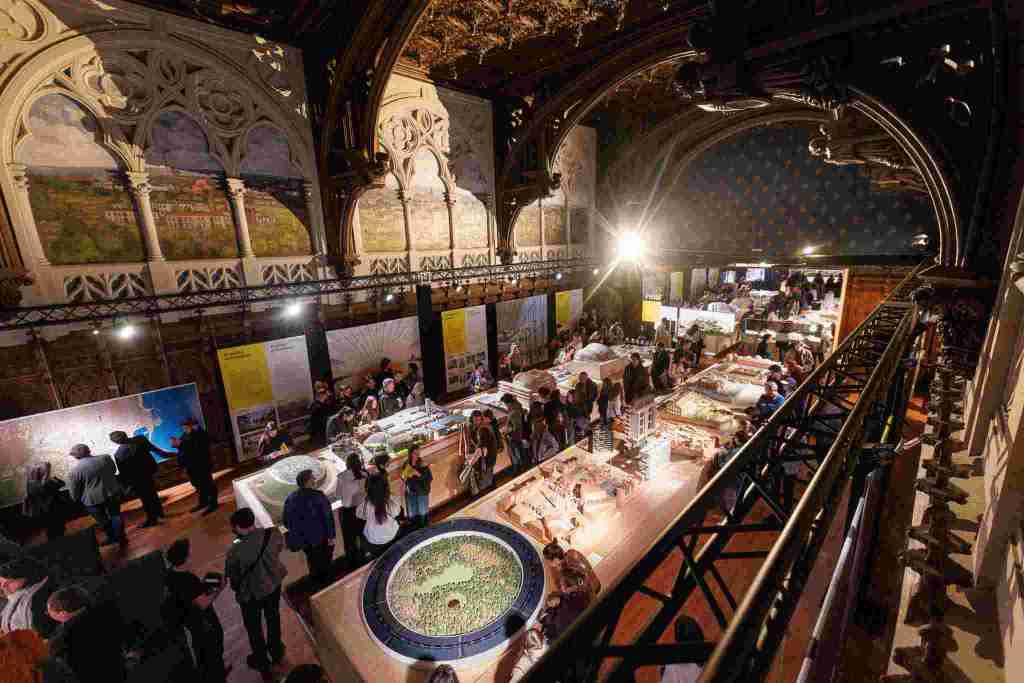
On the main stage, “the star speaker” will be Charles Montgomery, the author of the book “The Happy City” and one of the 100 most influential urban planners in the world, according to Politizen magazine. His presentation will start from the reality of Romanian cities and will show how the principles of urban happiness can be implemented in the local landscape. A name with major resonance in world architecture that will be present at the event is Foster + Partners, the representatives of the famous office holding a masterclass on the principles of sustainable urban design, but also presenting their projects in Romania, the remodeling of the Palas Iași complex and the vision of urban regeneration of 38 former industrial hectares in Constanța, which are being developed by the IULIUS company. Another central point is the FutureProof exhibition, accessible until May 3, which brings the Foster + Partners vision to Romania for the first time in the form of 30 models made by them in the last 50 years, of some emblematic global projects: Apple Park, the Great Court of the British Museum and the Berlin Reichstag.
In total, 55 specialists will take the TILIA stage, from representatives of the Prime Minister's Office, the Ministry of Transport and Infrastructure, the EBRD, the International Finance Corporation, part of the World Bank, mayors from six cities, but also international experts in traffic solutions, public-private partnerships and urban regeneration. The complete agenda can be consulted on the event website.
Showcase Stage – the stage of examples of good practices in urban planning, culture, architecture
At TILIA – the Romanian Cities Summit, not all answers will be debated on the main stage. Some of the most concrete and applicable ideas on how to transform a city will be presented on the Showcase Stage: the area dedicated to case studies and good practices in urban planning, culture and architecture. Here, working models with quantifiable results that have brought communities together and added value to cities will be presented. NGOs, organizers of cultural events and specialists from various fields will take to this stage, during the two days of the summit, to show, concretely, how they have contributed to the well-being of cities: by mobilizing communities, by transforming an abandoned land into a protected area or by a niche festival or one that provokes creativity.
One of the sessions on the Showcase Stage will start from a current and interesting topic: the climate neutrality of Iași by 2035, an objective assumed by the NetZero City Iași coalition. At TILIA, concrete solutions to achieve this goal will be discussed: what a green-blue corridor of the Bahlui River entails, what the Metropolitan Masterplan looks like and who should collaborate to achieve the goal. Among the speakers are representatives of the Order of Architects from Iasi, members of civil society and teaching staff from the Faculty of Geography of the “Alexandru Ioan Cuza” University of Iasi, along with two international guests: Gaia Terlicher from the University of Pavia and Eugenio Rodriguez from the University of Coimbra.
The theme of the city built for people will be reflected through the presentations and case studies of architects from Iași and Cluj, while the central moment of the section will be a session in which the Foster + Partners team will dialogue directly with students, architects, urban planners, but also enthusiasts from related fields. It is a unique opportunity, such moments being rare even in high-profile events.
The power of creative and green cities
Another session brings to the fore some of the most visible cultural projects in Romania: Romanian Creative Week, FILIT, Romanian Mental Health Film Festival and Rocanotherworld. Under the title “The power of creative and healthy cities”, the founders of these initiatives will present different perspectives on the same question: how does creativity, in all its forms, contribute to the development of a city?
Two case studies on urban nature complete the Showcase Stage program. The first is that of the Văcărești Natural Park in Bucharest, a former forgotten delta, a vacant lot in the heart of the Capital, transformed over time into an oasis of urban biodiversity: birds, reptiles, aquatic plants, a nature returned to where no one counted on it. Dan Bărbulescu, Director of the Bucharest Natural Park Association, will present the route of this transformation. The second case study comes from the banks of Dâmboviţa. Tamina Lolev, founder of the “Dâmbovița, apă dulce” initiative, will talk about how a river brought a community together and led to the creation of a multistakeholder engagement platform, a platform that brought together experts from different fields and backgrounds to solve a community's problems.
The same section will address the alignment of Iași's direction towards a climate neutral city, through a presentation of the Net Zero Iași Cities Coalition, but also green design as an urban identity, through the voice of the Romanian Landscape Association.
By organizing the summit, the IULIUS group, a company with over 25 years of experience in real estate and with some of the largest urban regeneration projects in the country, aims to create a platform for dialogue between the administration, experts and the private sector, with the aim of contributing to shaping more sustainable cities, better connected to the needs of communities and better prepared for the challenges of the future.
Article sponsored by IULIUS Group