Experts on the USA and Iran. Here are the worst-case and best-case scenarios for the future

What lies behind this chaos? The editorial team of “Blick” asked Erich Gysling, a journalist dealing with the Middle East, and prof. Klemens Fischer, an expert in geopolitics.
“Childish scuffles” vs. “masterpiece”
Gysling sees no clear strategy in either the Islamic leaders of Iran or the administration of US President Donald Trump. — There is a lack of well-thought-out tacticsinstead we have childish fights – he says. The fact that the strait was opened at all is attributed to the naivety of Iranians, who hoped that Trump would respond by lifting the US naval blockade.
Fischer, on the other hand, sees Trump as the loser in this mess. Unlike Gysling he sees Tehran's actions as a strategic masterpiece. — Because of the “double lockdown” that Trump introduced to put pressure on, he now finds himself under pressure. For Iran, the Strait of Hormuz has been an “ideal instrument of pressure” since the beginning of the war.
This “brilliant move” with a short-term opening costs Iran nothing. The country presents itself as a more peaceful participant in the conflict, assigning the US the role of the “villain”. “It's a diplomatic masterpiece,” Fischer concludes.
Time is also on Tehran's side. Fischer analyzes: – The longer the war lasts, the more difficult it will be politically for the USA.
Best and worst case scenarios
In all this confusion, one thing stands out: Trump's role has changed. In recent weeks, it seemed that the Republican was getting ready to exit the conflict, but with his ultimatum he is again closing the door that he himself opened ajar. This is most likely due to the passage of time. “We're seeing wait-and-see tactics on Iran's side and more rhetoric on the U.S. side,” Fischer says.
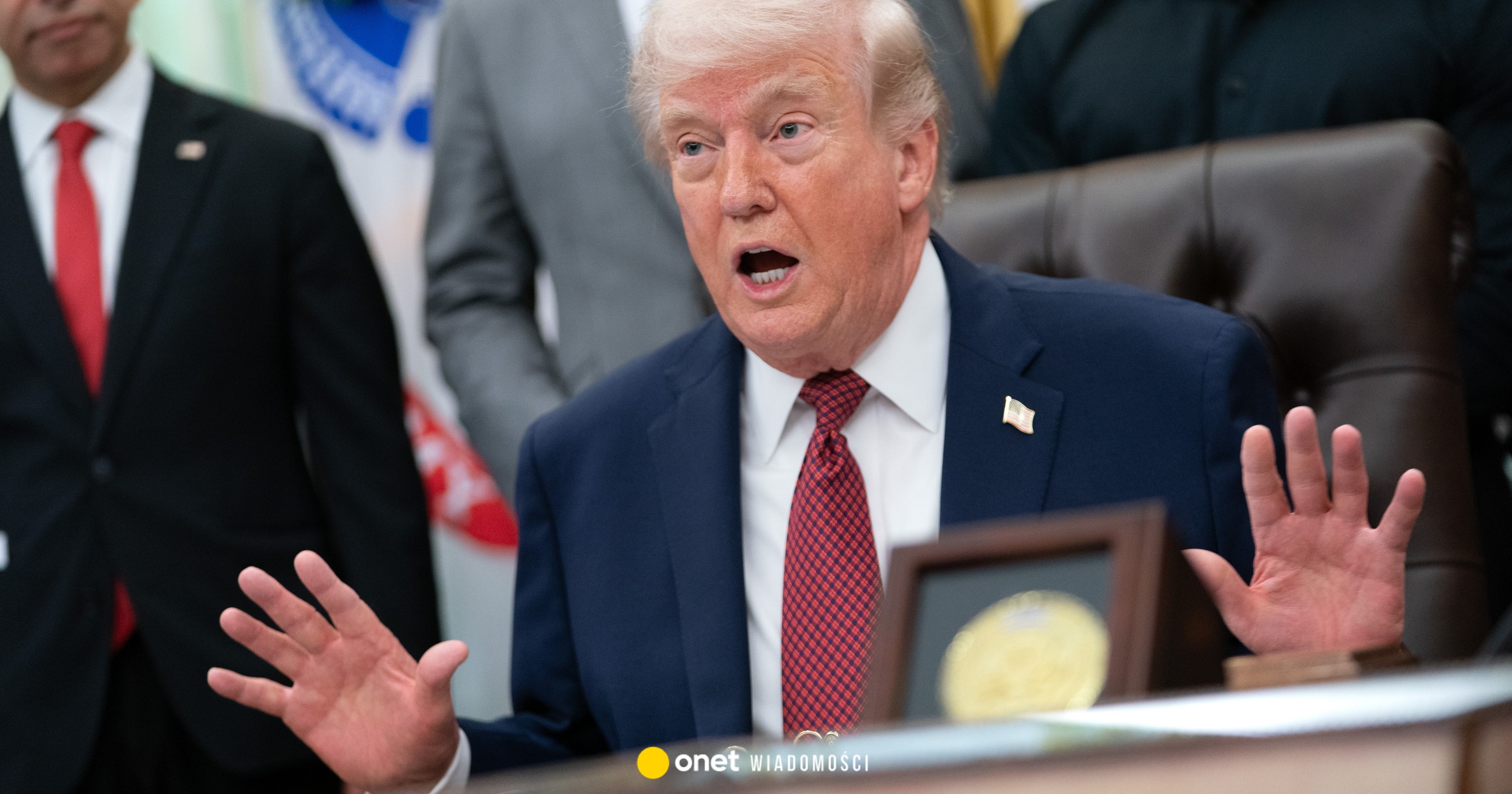
The President of the United States talks to journalists on board Air Force One threatened to break the truce with Iran and resume bombingif no significant agreement is reached by Wednesday.
What would Gysling think the worst-case scenario would look like? – The blockade of the Strait of Hormuz continues, the US and Israel resume bombing, the Iranians respond with endless counterattacks – he replies. Fischer sees the situation in even darker colors: – The worst variant is escalation from air to land warand in the worst-case scenario: the use of tactical nuclear weapons by the US and Israel.
A motorboat and an oil tanker anchored in the Strait of Hormuz, April 18, 2026.AP Photo/Asghar Besharati/East News
And the best case scenario? “Some sort of compromise is reached during the negotiations in Islamabad by Wednesday, thanks to which Trump can declare himself the winner,” Gysling says. And Fischer adds: – The solution depends on whether it is found a way for both the US and Iran to save face. The ideal solution would be a peace treaty that recognizes each other's right to exist, allows Iran to use nuclear energy peacefully, and provides for the disarmament of Hamas and Hezbollah.
The uranium dispute will not disappear overnight
Trump's tough pressure tactics aimed at ending the conflict as quickly as possible make no sense to Gysling. — An agreement can only be reached in stages. It took years for former US president Barack Obamato reach a nuclear agreement with Iran.