The head of NATO came for the money, and Babis pulled Hormuz and radars out of his hat

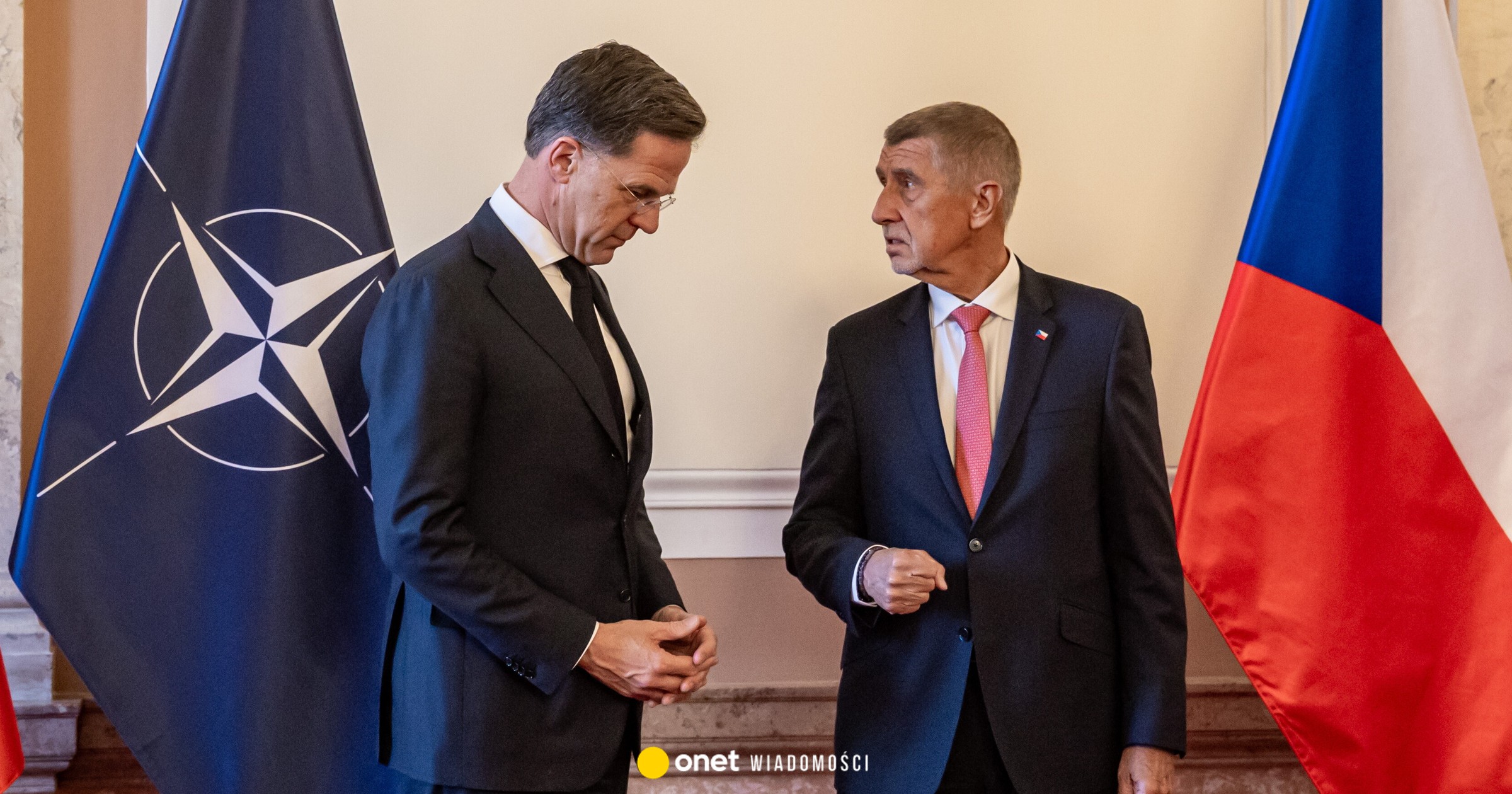
The defense budget presented by the Babis government has long been criticized at NATO headquarters. Czech Republic, allocating only 1.7%. GDP for defense are at the very end of the scale in the alliance.
Prague apparently decided that since there was no money, it had to at least show some initiative.
During the January meeting between Foreign Minister Petr Macinek and Rutt, the head of NATO – according to information from the weekly Respekt – had a friendly hint that if expenses did not increase, subsequent talks with Czech politicians would be much more tense. Since Babisz and Macinka are not planning changes for now, according to government sources, they have started looking for a way to at least partially calm down Rutte.
To prevent the dispute over the budget from escalating further, Macinka and his diplomats came up with the idea for Prague to offer NATO military equipment – radars and jamming systems – that could participate in ensuring security in the region after the end of the US-Iranian war.
This is not a question for me, I deal intensively with Hormuz, not with defense spending
the head of diplomacy replied to the weekly Respekt after a meeting with Rutt, in which he also participated, when asked whether it is still true that the Czech defense budget will remain at the current low level and that the Czech Republic's new contribution, instead of investing in the army, will be radars.
Defense Minister Jaromir Zuna, whose competences include the defense budget – and who also sat at the table with Rutt – replied that he did not understand the question about increasing the budget and allegedly did not know that “such a topic was even on the table.”
Prime Minister Andrej Babisz, Minister of Foreign Affairs Petr Macinka and Minister of Defense Jaromir Zuna in the Czech Parliament. Prague, January 14, 2026CTK/Katerina Sulova / PAP
Details regarding Czech assistance in the Hormuz case are currently unclear. The fact is, however, that the government and the Chamber of Deputies will have to make a decision on this matter. The Minister of Foreign Affairs does not know when the debate would take place.
You are so far ahead
– said Macinka. This means that the whole idea could have been created literally at the last minute.
“Our citizens must be protected”
This shows that the Czech Republic takes its NATO membership seriously and is committed to common defense
said Rutte.
The Secretary-General then described the threats we face today:
- aggressive Russia,
- dangerous North Korea,
- dangerous Iran
- and China.
In this context, he recalled that at the last NATO summit, countries committed to increase defense spending well above the previously agreed two percent of GDP in order to respond more effectively to an increasingly dangerous world. Whether the commitments are being implemented is to be discussed at the upcoming NATO summit in Ankara in July.
The summit in Ankara will show whether we are able to cope with this
— Rutte asked Babiš directly during the conference and openly called on the Czech Prime Minister several times to rethink the defense budget.
An increase in defense spending is necessary. Our citizens must be protected
– he said, among other things.
Rutte goes after the stragglers
The meeting with Babisz took place on Rutte's initiative. Before the NATO summit, the head of the alliance wants to tour countries with low defense spending that do not fulfill their obligations and free ride at the expense of other members.
In addition to the Czech Republic, it also includes Spain and Belgium. Diplomatic sources say that by putting pressure on these countries, Rutte wants to change their approach for two reasons:
- firstly, it considers it necessary in the current, risky international situation,
- and secondly, he wants to avoid open conflict with US President Donald Trump, who will also take part in the summit.
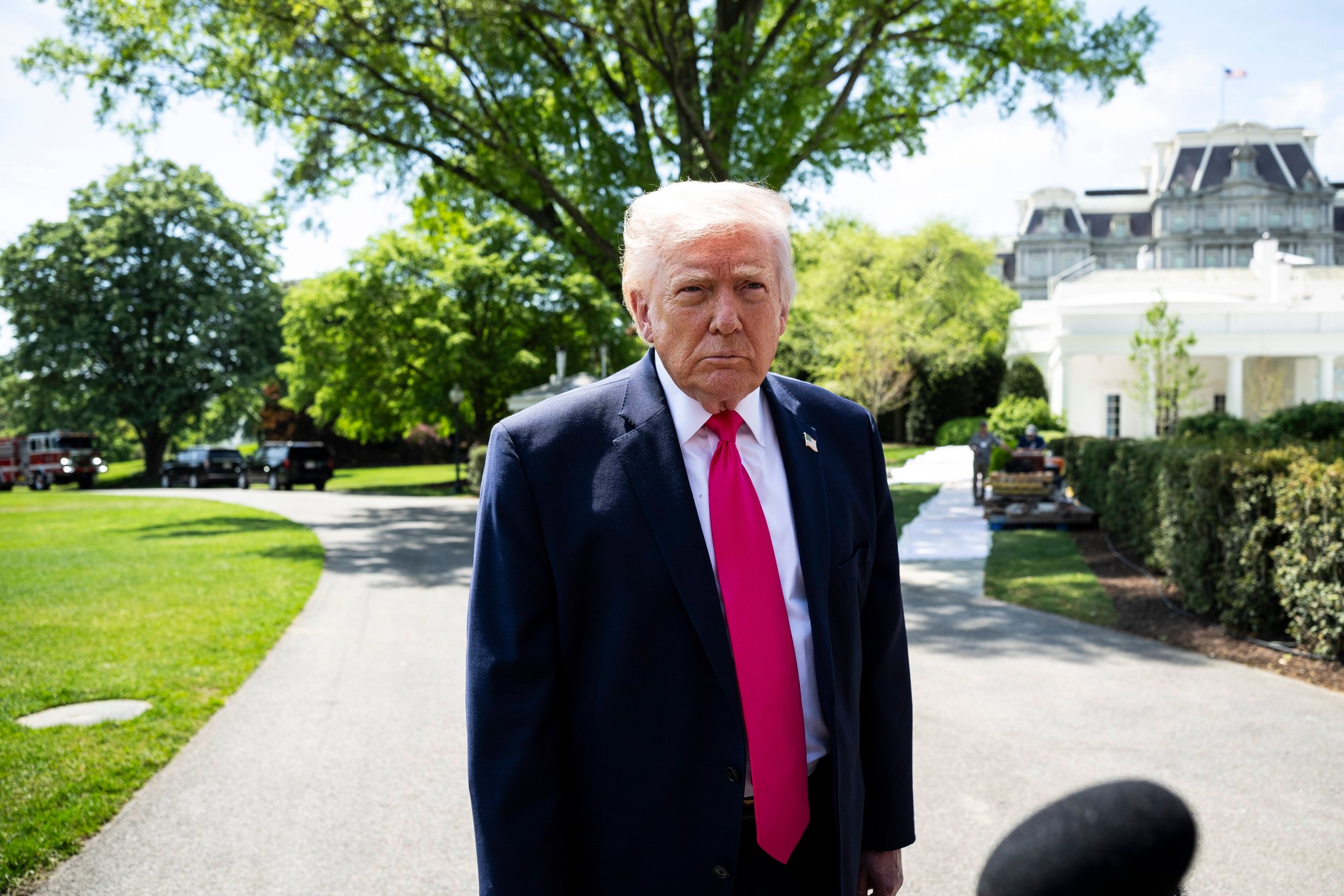
Donald TrumpGRAEME SLOAN / POOL / PAP
This could weaken Europe, because American armed forces play a very strong deterrent role against Russia on the Old Continent.
Part of the American contingent is stationed in the Baltic countries, located directly on the border of Russia and its ally – Belarus. NATO defense plans indicate this region as a likely target for Russian actions, where Moscow could want to test the unity of the alliance.
For us, the presence of American troops is, of course, an important element in deterring Russia from attacking. Logically, we follow these discussions about the possible withdrawal of American forces with some concern. For now, however, we have no signals from the US that this would happen
– Kaupo Rosin, the head of Estonian intelligence, told the weekly Respekt last week.
Babisz avoids specifics
Babisz most often explains the low defense spending by the fact that he inherited a state budget from his predecessors that was in poor condition, and the government cannot afford to allocate more funds to the army.
However, in behind-the-scenes conversations, government politicians say something different – they claim that the cuts are necessary because theirs voters expect an increase in social benefits and similar benefitswhile they consider defense spending unnecessary.
The only question allowed was asked by Czech public television and concerned whether the Czech Republic would implement the allied, voluntarily accepted commitment to allocate 5 percent by 2035. GDP for defense.
It is important that all of us in the alliance keep our commitments
– replied Rutte.
The basis of our army are our soldiers
– Babiš replied evasively. He then added that the Czech Republic “will prepare to fulfill its obligations in the long term.”
There was also no question whether this possible new defense alliance would also be based on Ukraine and its combat experience, as Ukrainian ambassador to NATO Alona Hetmanchuk recently proposed to Europeans.