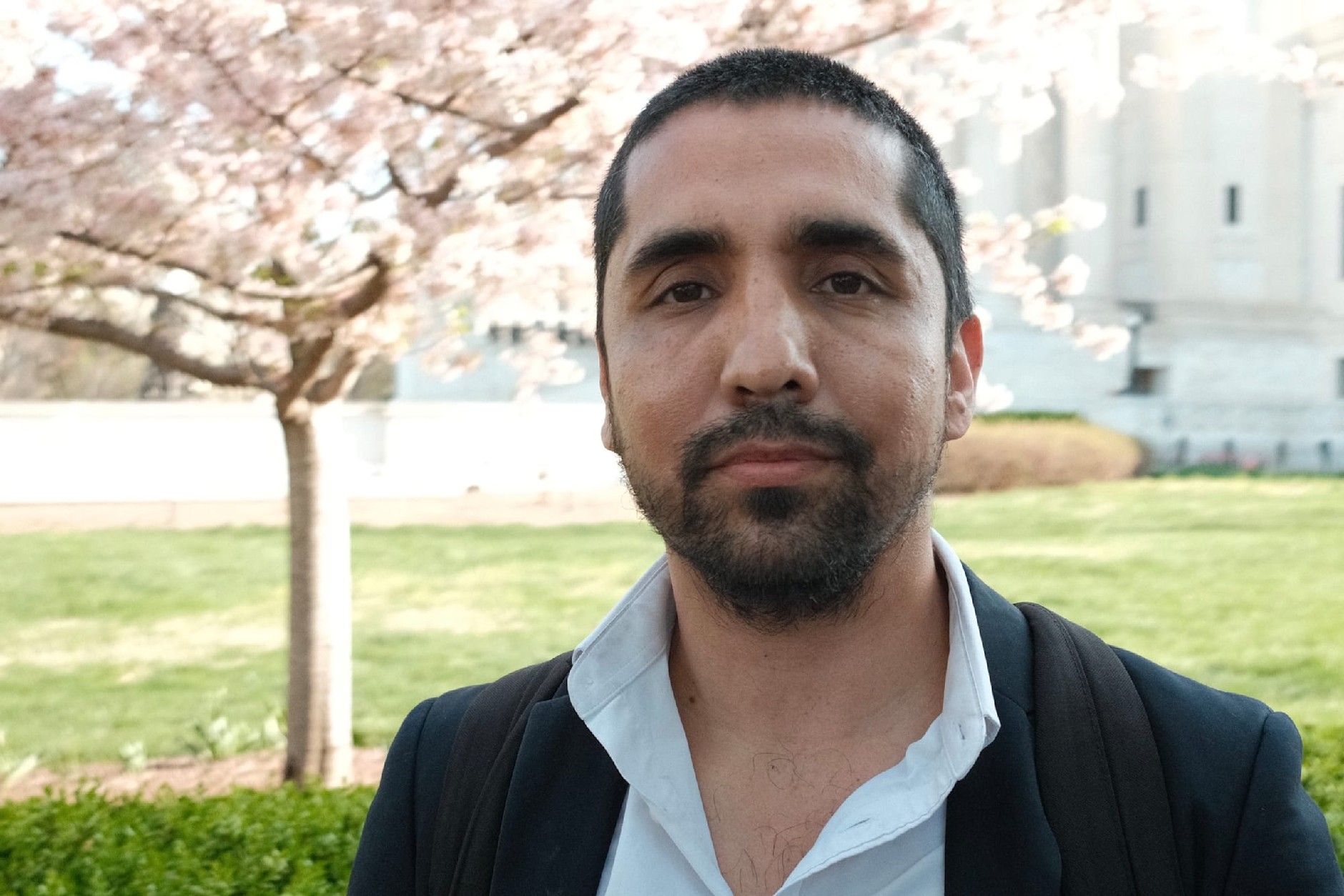
Norman Wong has just finished his speech on the steps of the United States Supreme Court in Washington, DC. Crowds of people gather around him. The 76-year-old is happy with the support, shakes hands and poses for photos. This is the retired San Francisco craftsman's first trip to the capital — but perhaps his most important. This is about nothing else than his great-grandfather's legacy.
For a long time, Norman Wong didn't know anything about Wong Kim Ark. It wasn't until 25 years ago that a Chinese reporter contacted his family — and brought the story back to life. In the late 19th century, Wong Kim Ark, after visiting China, arrived at the port of San Francisco and was refused entry.
The son of Chinese immigrants was born in the US, but shortly before the Chinese Exclusion Act was passed, which denied naturalization to Chinese immigrants. In 1898, Wong Kim Ark brought a case to the Supreme Court. The judges affirmed his citizenship — and thus the principle of citizenship by birth enshrined in the 14th Amendment to the Constitution: anyone born on American soil is an American.
In the place where his great-grandfather won this verdict in 1898, Norman Wong stands with hundreds of activists on a sunny morning in early April. Inside, a hearing begins on President Donald Trump's executive order, which is to abolish the principle of citizenship by birth for children of undocumented immigrants and foreigners with short-term residence permits. The president himself took his seat in the audience stands.
“I'm proud to be here today,” says Norman Wong. He wears a blue hat from the ACLU civil rights organization. It says “Protect Birthright Citizenship”. According to Wong, it is about the identity of the nation, about belonging. His wife Maureen never leaves his side.
Wong stops in the shade of a large tree. He talks about why he specifically came to Washington. “I grew up thinking I was an American,” he says. It depresses him to think that he might not be here today if his great-grandfather, Wong Kim Ark, had lost his case back then.
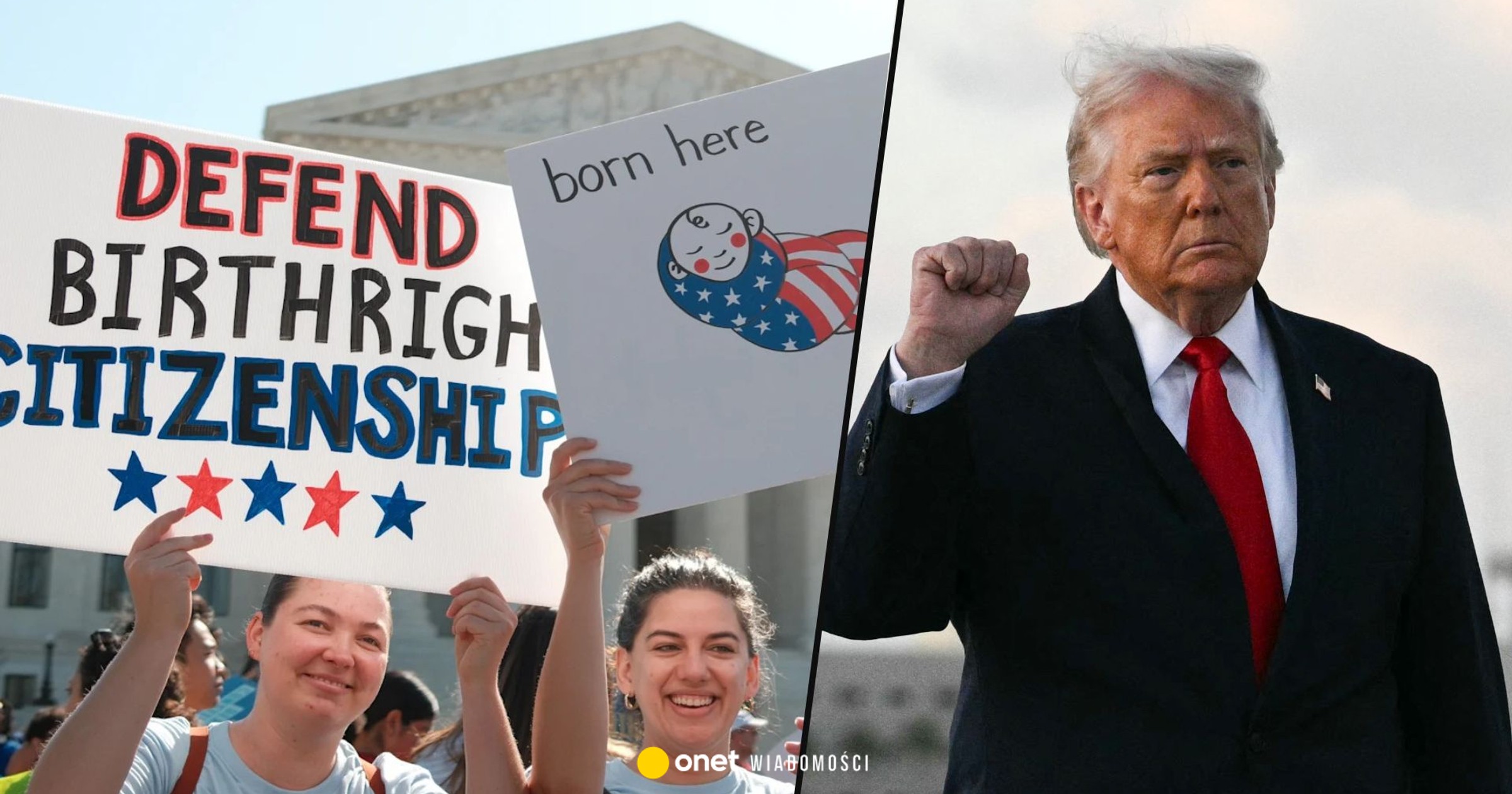
““Hands off the 14th Amendment to the Constitution” – says the inscription on the demonstrators' posters. “All persons born or naturalized in the United States, and subject to the jurisdiction thereof, are citizens of the United States,” it says. It dates back to 1868. Before its adoption, the constitution did not clearly regulate who was a citizen and who was not.
After the end of the Civil War and the abolition of slavery, they wanted to abolish the previously binding rule according to which slaves were not considered Americans. Three decades later, the Supreme Court in the Wong Kim Ark case confirmed that there should be essentially no exceptions. Donald Trump wants to change that.
In one of his first decrees after taking office, he announced that the principle of citizenship by birth was no longer valid. Citizenship will now be granted to children born in the U.S. only if at least one parent is American or has a green card. Four federal judges have already found this decree unconstitutional and thus blocked it. Now the decision rests with the Supreme Court.
“They want to change our country”
While Norman Wong delivers his speech outside, Trump's general counsel, John Sauer, argues inside why a subordinate clause in the constitution would allow further exceptions. The Constitution states that only those who are “subject to American jurisdiction” become citizens. This sentence is already the basis for the exception regarding children of diplomats.
According to Sauer, this means that the founding fathers of the Constitution included a “direct obligation of loyalty” to the US as a condition, which is not the case for undocumented immigrants. What is presented with a lawyer's calm, Leo Contreras comments emotionally before entering the building. “They're doing it because they want to change our country,” Contreras says.
He spent two nights with his friend on the sidewalk. Just to get a seat in the stands for the audience. In the morning he put on a fresh shirt and jacket. His old clothes are in a small bag. — What is under attack here is the idea of America as a country of immigrants – says. He wants to send a signal with his presence in the courtroom.
For Norman Wong, the matter was simple for a long time: whoever was born in America has a place here and can pursue his dreams here. Many conservatives today want to redefine it. And above all, narrow it down. — America is not just an idea, but a group of people who share a common history, said Vice President J.D. Vance in his speech to the 2024 Republican convention.
More specifically, Vance described the cemetery in Kentucky where he would like to be buried. His ancestors from seven generations who lived in this country and built it are buried there. — It's more than an idea and more than principles. This is the homeland, he said. The conflict is therefore more fundamental than legal arguments suggest. It's about two visions of America — and who belongs in them.
“If he succeeds, the Civil War will be in vain.”
Atlantic magazine columnist Adam Serwer describes it this way: “If America is a nation based on a common faith, then anyone can be an American,” he wrote in an essay two years ago. “But if real Americans are those who share a certain common history, then some of us are more American than others.”
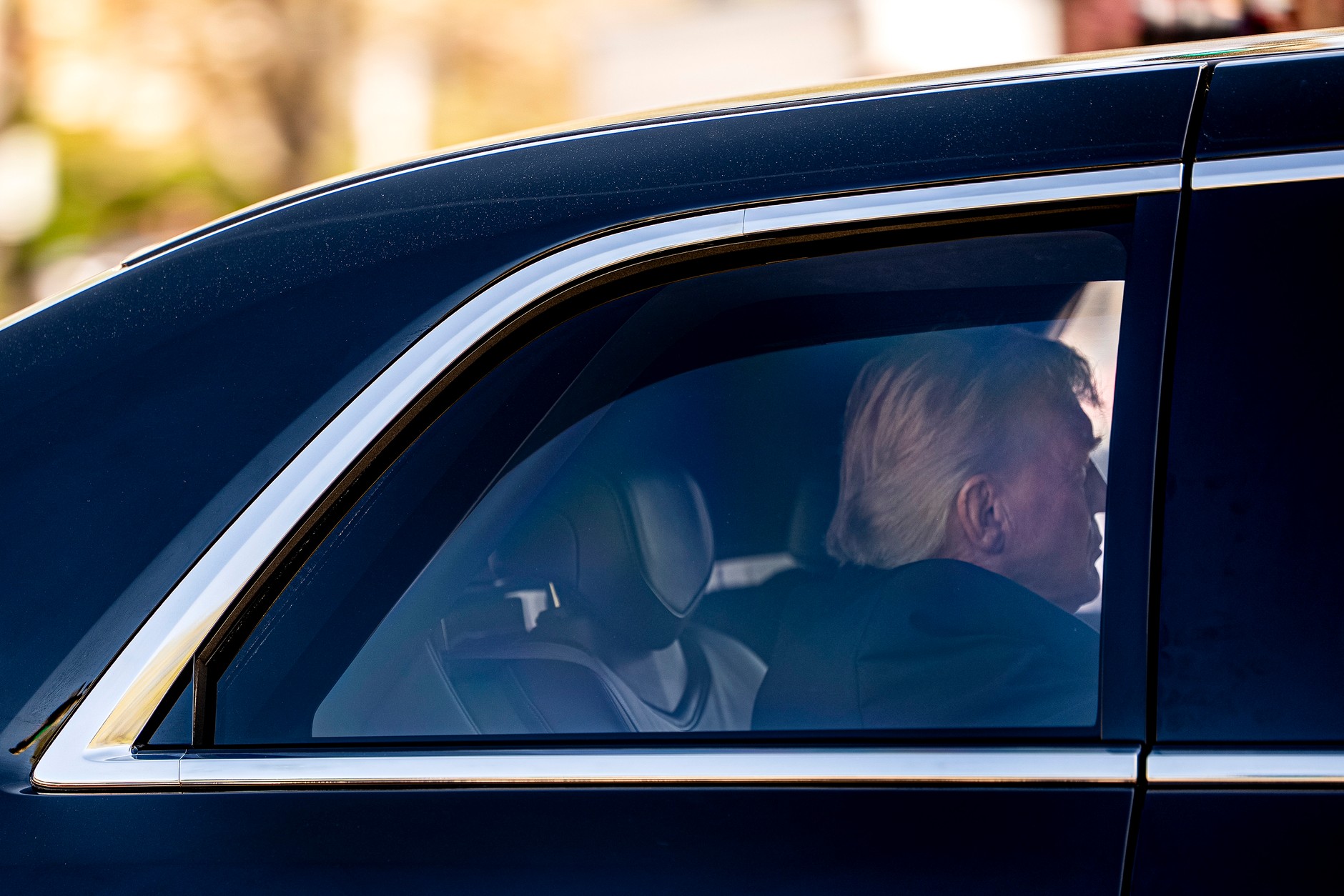
For Trump, this issue is a top priority. On the first day of the hearing, he personally went to the Supreme Court to participate in the hearing as a spectator. Never before has a US president been present at the Supreme Court when his own policy was being decided. Critics saw the move as an attempt to intimidate those conservative judges who had voted against the president in the past.
Donald Trump leaves in the presidential limousine after attending a Supreme Court hearing, April 1, 2026.Andrew Harnik/Getty Images/Getty Images
For Norman Wong, the decree abolishing the principle of citizenship by birth and the current Supreme Court hearing constitute a project that will decide America's identity. — Trump represents the forces in this country that they want to turn it into something it never was – says. “If he succeeds, the Civil War will be in vain,” he concludes.