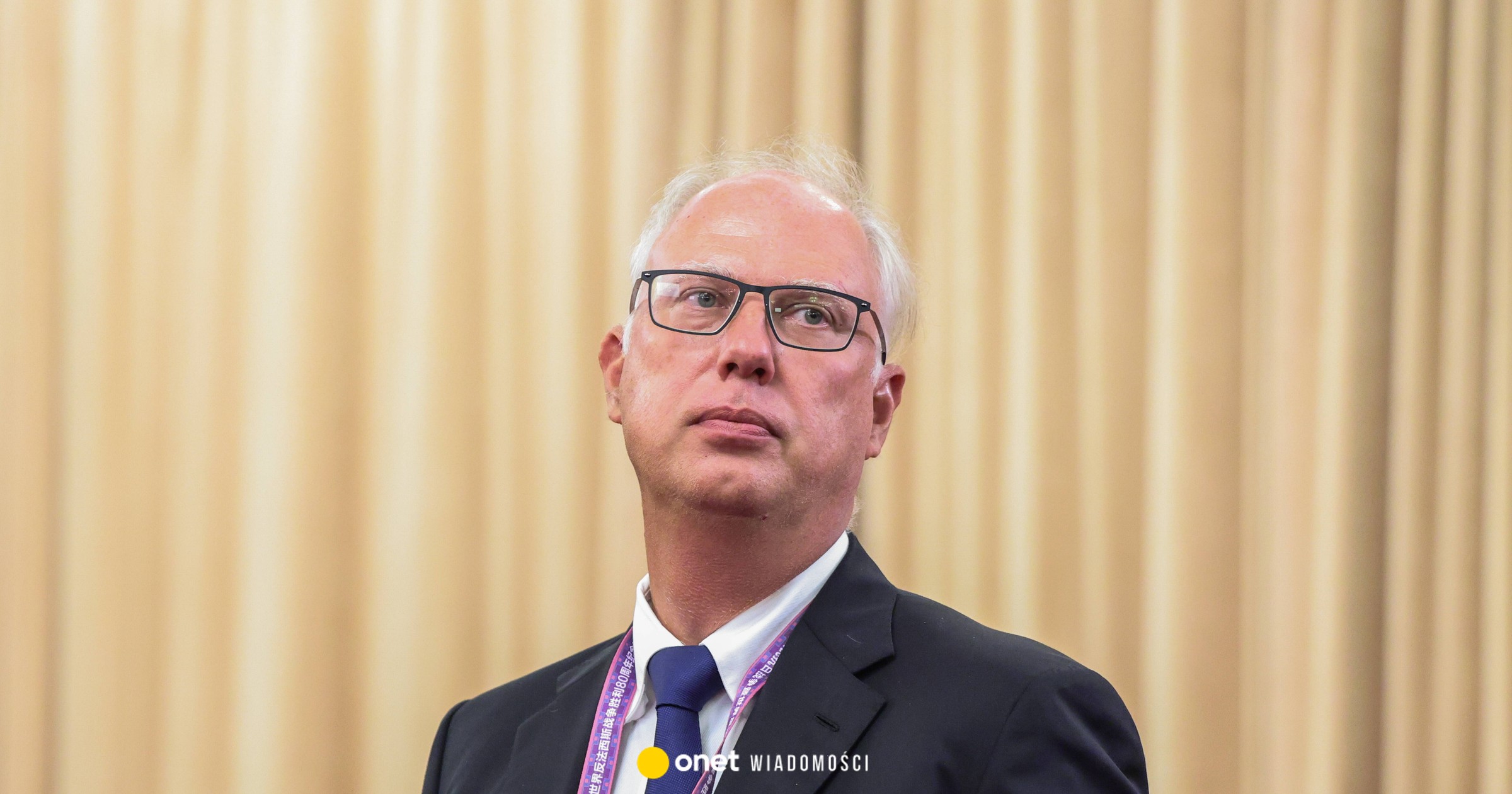
The Hezbollah commander announces a return to the “roots” of the organization to counter the technical superiority of the “Zionists” and continue fighting. Because Israeli secret services monitor cell phones and other means of communication, handwritten orders are sometimes delivered “by courier on a motorcycle” from unit to unit. The command also uses only old, wiretapping-proof radio stations, as a 62-year-old man nicknamed “Jihad” explains in an interview with American NPR radio.
Hezbollah supplies rockets and other weapons, including: thanks to “local production” in deep underground plants – explains the commander. Nowadays you can learn almost everything from the Internet. Some of the equipment is imported; e.g., Iranian-made anti-tank missiles that are capable of precisely hit targets over 10 km away and are virtually impossible to intercept. “There is nothing that cannot be smuggled through Syria,” the commander says.
He also recalls with a smile the Lebanese government's appeal to disarm Hezbollah. He admits that some of the equipment has already been officially handed over, but… they were mostly “empty boxes”.
It is rare for a Hezbollah commander to speak so openlyespecially for the American media. However, the timing of this statement is not accidental.
On Tuesday evening, US Secretary of State Marco Rubio received Lebanese ambassador Nada Hamadeh Moawad and her Israeli counterpart, Yechiel Leiter, at the State Department. This is the first official contact between the two countries in decades. Lebanon does not recognize the Jewish state, and formally both countries are at war. This meeting can be considered a historic event – and it is at this moment that Hezbollah wants to show that it is still ready to fight.
Talks are taking place in Washington under pressure from US President Donald Trumpwhich is pushing for a diplomatic solution to the war with Iran. Tehran made the continuation of negotiations conditional on a halt to Israeli attacks on Iran-backed militias in Lebanon.
The article continues below the video
According to a senior American diplomat quoted by the Israeli newspaper “Israel Hayom”, the long-term goal of the talks is disarmament of Hezbollah and inclusion of Lebanon in the so-called peace treaties Abraham Accordsbetween Israel and the Arab states. For now, however, such a breakthrough is not possible. The goals and interests of the parties involved are too different.
Lebanon itself is virtually powerless in this fight
Lebanese Prime Minister Nawaf Salam declared that his country would seek “an end to the war” and “the withdrawal of Israeli troops.” The pressure is enormous and society is suffering: approx. 600 thousand people had to flee from southern Lebanon. The Israeli army conducts ground operations south of the Litani River and creates a buffer zone there. A week ago, the Israeli air force carried out attacks on Beirut on an unprecedented scale.
Nawaf Salam, Prime Minister of Lebanon, chairs a cabinet meeting. Beirut, March 26, 2026EPA/WAEL HAMZEH / PAP
Already a few months ago The Lebanese government distanced itself from Hezbollah and demanded its disarmament. A similar position is shared by many Lebanese, tired of their country being dragged into someone else's war.
However, Hezbollah is a powerful state within a state. The militia controls not only the south of the country militarily, but also almost every aspect of life in the Shiite community: business, schools, infrastructure, gas stations. Analysts agree that Lebanon's regular army would not be able to effectively oppose the Islamists.
Last weekend, Israeli Prime Minister Binyamin Netanyahu visited his soldiers in Lebanon. Wearing a bulletproof vest and helmet, he said the war will take a long time to stop militant attacks on Israeli cities. “We still have a lot to do, and we are doing it,” Netanyahu said.
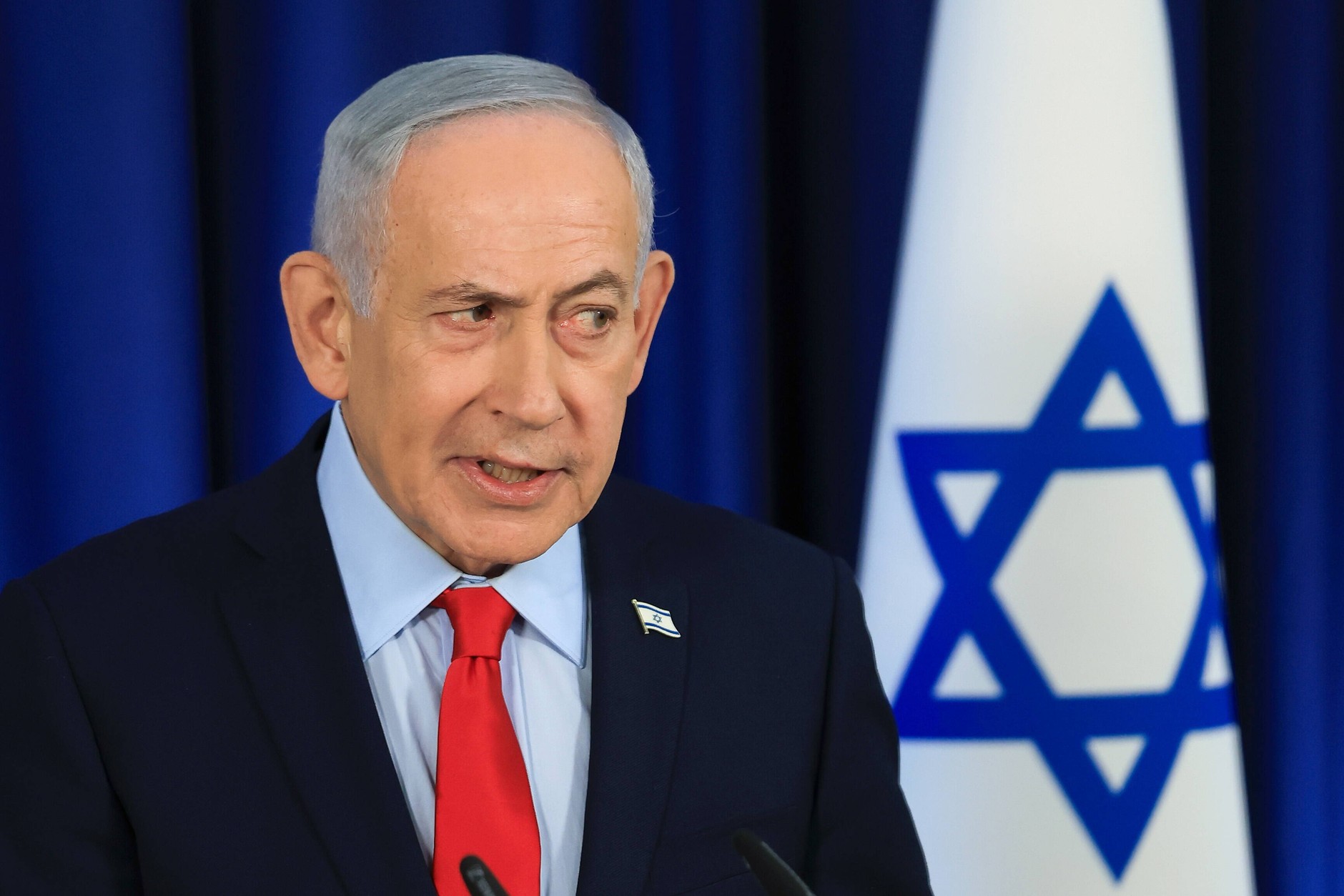
Binyamin Netanyahu, Prime Minister of Israel, during a press conference. Jerusalem, March 19, 2026RONEN ZVULUN / POOL / PAP
However, Israeli strategists know that a military solution alone is unlikely to produce lasting victory. Already in the 1980s, Israel invaded Lebanon because Palestinian groups were attacking it from there. The south of the country remained under Israeli occupation for almost two decades.
A blow to Hezbollah
As a result, Hezbollah was created, which presented itself as a resistance movement against the occupation and politically exploited Israel's presence. Memories of fighting in hilly terrain are still traumatic to this day. On Monday, an Israeli officer was killed in southern Lebanon during an attack on an armored vehicle.
However, Israel has achieved major successes against Hezbollah. In the fall of 2024, the long-time leader of the organization, Hassan Nasrallah, was liquidated. Thanks to the synchronized explosion of pagers almost the entire command staff was eliminated — Mossad sold devices filled with explosives to the militia through a specially established company. But now, almost two years later, Hezbollah is still shelling civilian targets in Israel and recruiting more fighters.
Since Hezbollah joined the war on Iran's side on March 2, there have been approximately 30 attacks on Israel every day – mainly using rockets and drones. Okay. 70 percent of them are aimed at Israeli border towns, the rest reach even cities such as Haifa.
The attacks stopped only briefly when the US and Iran announced a truce last week. This is confirmed by analyzes of the Israeli Alma Research Center. According to a journalistic investigation by Reuters, before the war with Iran Hezbollah had approximately $50 million. (approx. PLN 180 million) per month for additional equipment — most of the funds came from Tehran.
“We still can't talk about normal life in the north of Israel,” Nissan Zeevi, an entrepreneur from Kibbutz Kfar Giladi on the border with Lebanon, said recently during a meeting with journalists. “They can hit my kitchen window if they want.”
According to the latest survey by the Israeli Channel 12.65 percent residents of northern Israel feel abandoned by the government. Hence, the pressure on Netanyahu's cabinet to solve the Hezbollah problem is growing – especially in view of the autumn elections.
Iran will be a tough nut to crack
From Iran's perspective, the fate of Hezbollah is a matter of the entire architecture of proxy operations in the region — the Houthis in Yemen and militias in Iraq are also involved. If Tehran excluded Hezbollah from ceasefire talks, as the US and Israel are demanding, it would undermine the principle of mutual support – the idea that any attack on Iran is met with a response across the region.
But Iran also faces another dilemma, writes expert Hamidreza Azizi from the German Institute for International and Security Affairs. The regime must reconcile two conflicting internal interests: on the one hand, society is tired of war and the majority supports a ceasefire, on the other hand the ideological, well-organized power base is pushing to support Hezbollah. It is therefore possible that the US and Israel want to take advantage of this by not agreeing to include Lebanon in the ceasefire agreement.
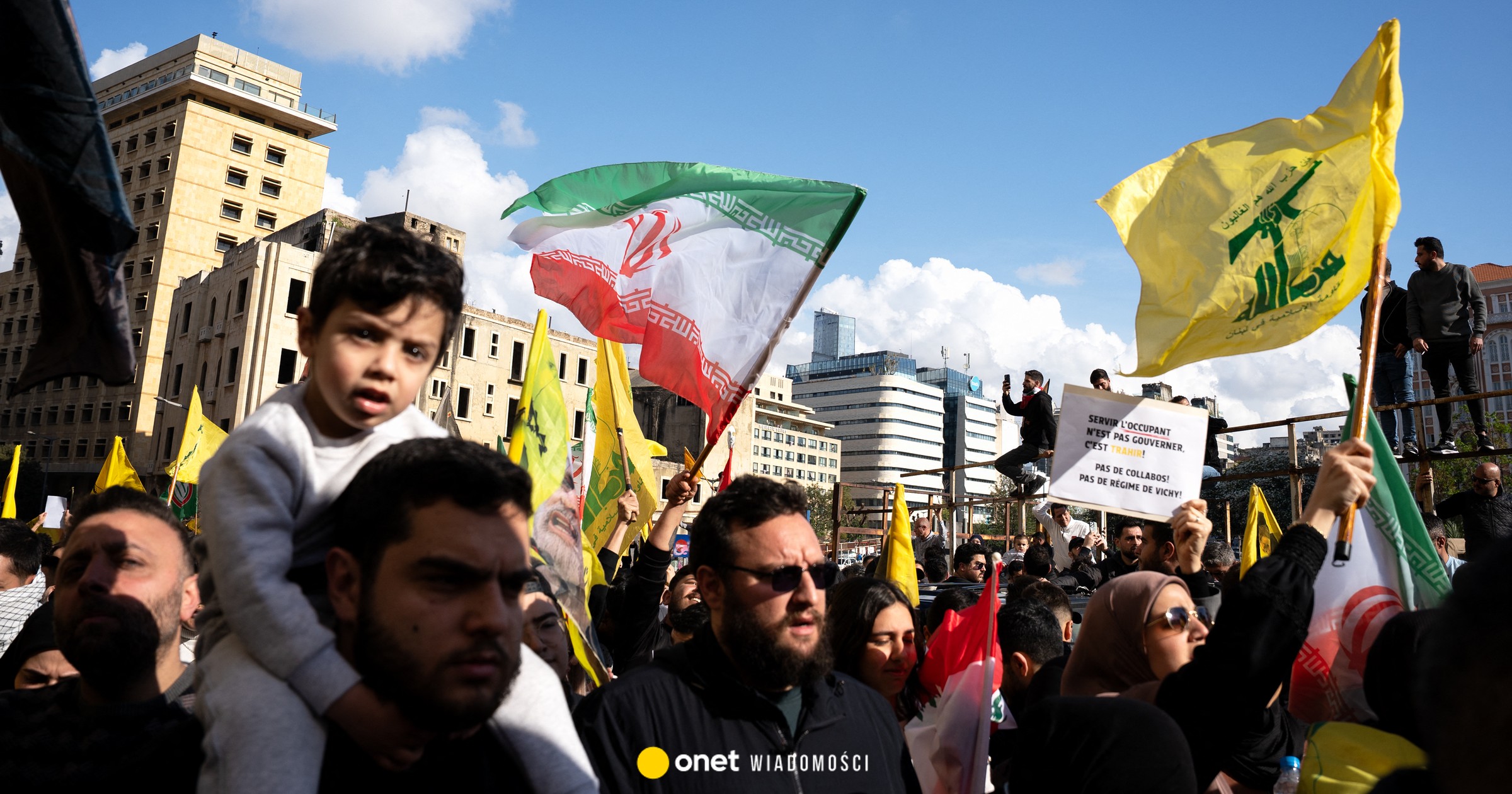
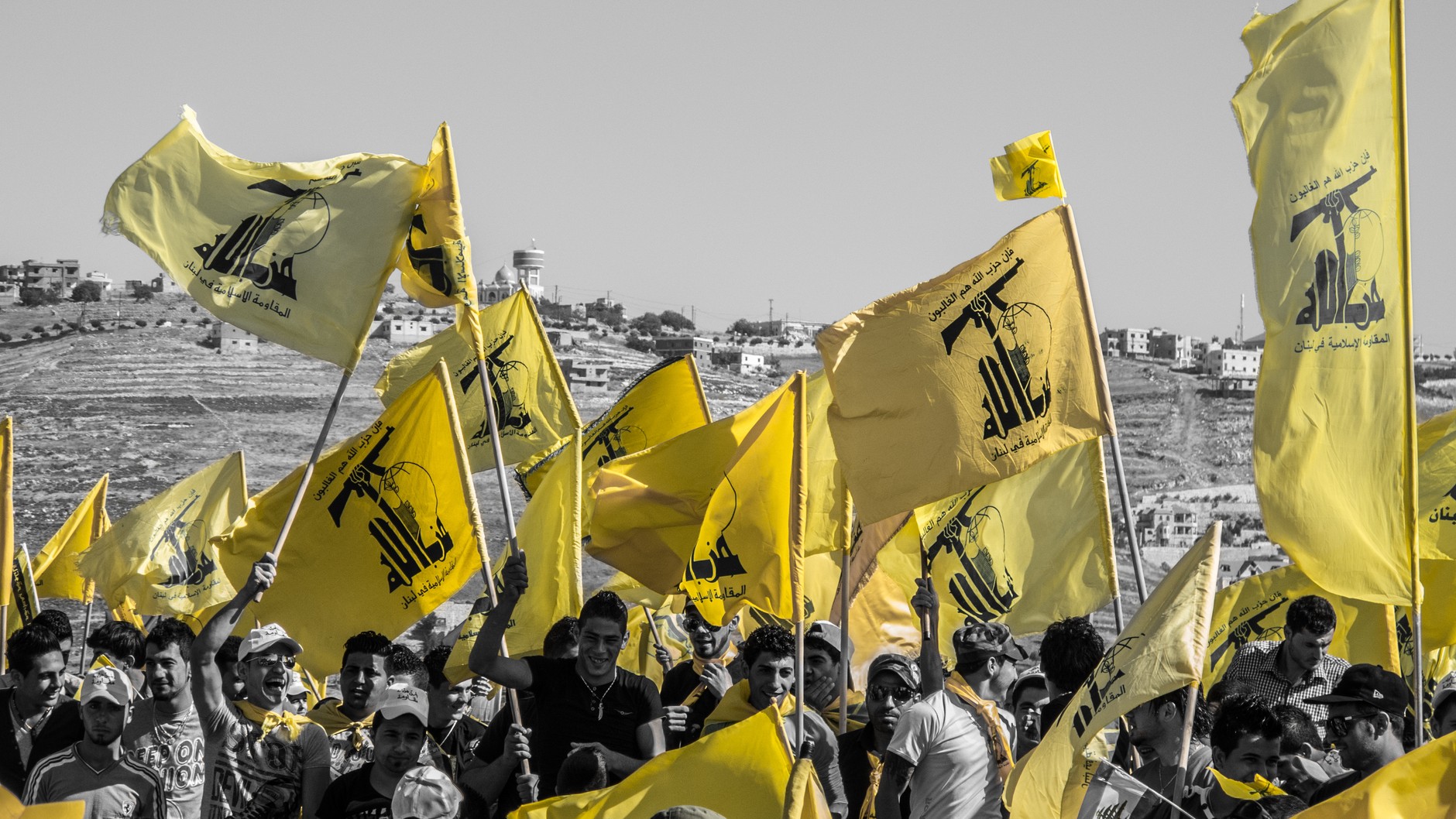
Hezbollah supporters with militia flags. Illustrative photoGabriele Pedrini / Shutterstock
Analysts in Tehran are increasingly interpreting the situation as “well-thought-out strategy” leading Iran to a “trap” – writes Azizi on the amwaj.media website. The logic is as follows: if Iran responds to Israeli attacks with military escalation, it will risk being blamed domestically for breaking the truce. There is now a discussion in Iran whether it is possible to “separate the fronts” – that is, continue negotiations with the US while fighting with Israel.
In this complicated situation, only one thing is certain: Israel, in direct talks with Lebanon, partially meets President Trump's de-escalation expectationsbut it does not have to give up the fight against Hezbollah. Jerusalem is also increasing diplomatic pressure on the government in Beirut, which de facto there is no way to deal with the militia.
According to an analysis by the Israeli Alma Research Center, any agreement with Lebanon “will not be worth even the paper it is written on”, until Beirut removes Hezbollah representatives from the governmentwill not close the Iranian embassy and will not cut off – with the support of the international community – financing and smuggling routes.
For such a scenario to be realistic, Hezbollah would have to lose even more support in Lebanese society. Another solution is for this organization to politically distance itself from Iran and represent only its own interests in Lebanon. This would not solve the problem, but it would weaken the motivation for further attacks on Israel.
I’m Ashley Davis as an editor, I’m committed to upholding the highest standards of integrity and accuracy in every piece we publish. My work is driven by curiosity, a passion for truth, and a belief that journalism plays a crucial role in shaping public discourse. I strive to tell stories that not only inform but also inspire action and conversation.