The first days with the new EES system: chaos in airports, delays of up to three hours and passengers who have not reached the plane

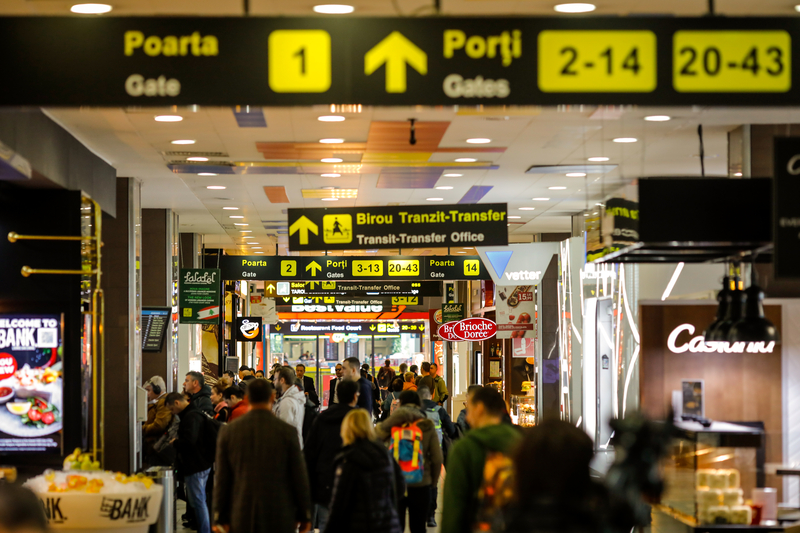
The full implementation of the European Union's new electronic entry-exit system (Entry/Exit System – EES), which came into force on Friday, April 10, caused major disruptions in several European airports, in the midst of the Easter holiday season, according to the BBC and The Independent.
More than 100 people missed their flight to Manchester from Milan's Linate airport on Sunday after being stuck in queues at passport control, which the airline described as “unacceptable”. In some cases, at the moment when the boarding gate should have closed, no passengers had presented themselves, and only 90 minutes later 12 people arrived.
Some travelers have reported feeling sick and fainting while trying to get through the biometric and facial recognition checks introduced with the new system.
Significant delays and disorganized queues were also reported at major airports, including Munich and Pisa. Passengers said it was not clear whether they had to line up at EES kiosks or traditional border control counters.
In some cases, long wait times have led staff to abandon biometric checks, reverting to stamping passports by hand. Other passengers complained of uneven application of the rules: some had to leave their fingerprints and face scans multiple times, while others were quickly cleared or not asked to use biometrics at all.
Several travelers pointed to staff shortages and technical malfunctions as the main causes of problems.
Waiting times of up to three hours
Airports and airlines across Europe said their business was significantly affected and passengers faced long delays, in some cases missing flights, after the digital border control system became fully operational.
According to ACI Europe, the organization that represents airports, and A4E, which represents European airlines, early reports indicate waiting times of two to three hours at border control during peak periods.
The EU's Entry/Exit System (EES) is now fully in force, and third-party nationals entering the Schengen area must register using these automated machines that collect biometrics.
The entry and exit should subsequently be a smoother process.
Expect long lines and missed hours… pic.twitter.com/9b5rCWlOwm
— LoyaltyLobby (@LoyaltyLobby) April 10, 2026
How the new system works
The EES platform became fully operational at the level of the European Union as of Friday, April 10, the Border Police announced. The system eliminates manual stamping of travel documents and introduces biometric registration of non-EU nationals — including Britons — entering the Schengen area through facial scans and fingerprints.
Additional checks are also carried out upon exiting the Schengen area, without affecting existing movement rights.
Until last week, border authorities could suspend EES enforcement entirely if waiting times became too long. Currently, only a partial suspension is allowed.
ACI Europe and A4E warn that more flexibility is needed in applying the system ahead of the summer months when air traffic reaches peak levels.
Photo: Cateyeperspective | Dreamstime.com