2026-04-12 16:00
publication
2026-04-12 16:00
PA Nova won the competition for the urban development concept for the Wujek mine in Katowice. Based on the results of the competition, planning documents will be developed that will define new functions of the areas, but also protect the heritage of the historic plant.
The competition for the development of an urban concept for the redevelopment of approximately 100 hectares of former mine land and its surroundings was announced by the Katowice local government in mid-December 2025. The competition concerned areas bounded by railway tracks to the south and west, Ligocka and Mikołowska streets to the east, and the A4 motorway to the north.
As representatives of the author's team, Anna Lessaer-Kentzer and Jan Lessaer, said, going beyond the strict mine area (approx. 40 ha) was crucial and the most valuable when it comes to designing a new district in practice. They declared that it would be linked to the wider fabric of the city – the very center located approximately 4 km away, or the space between the mine and the new city stadium.
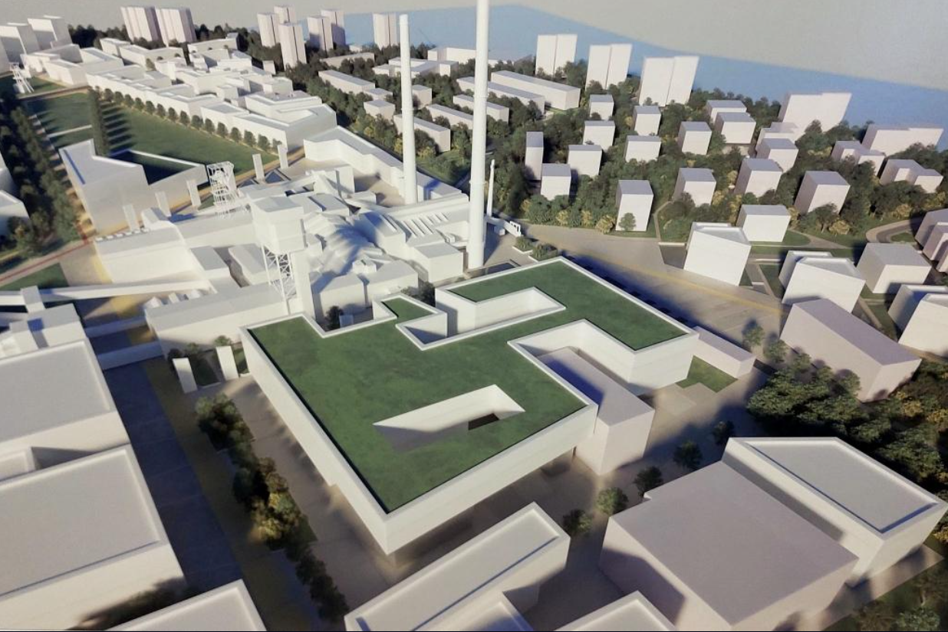
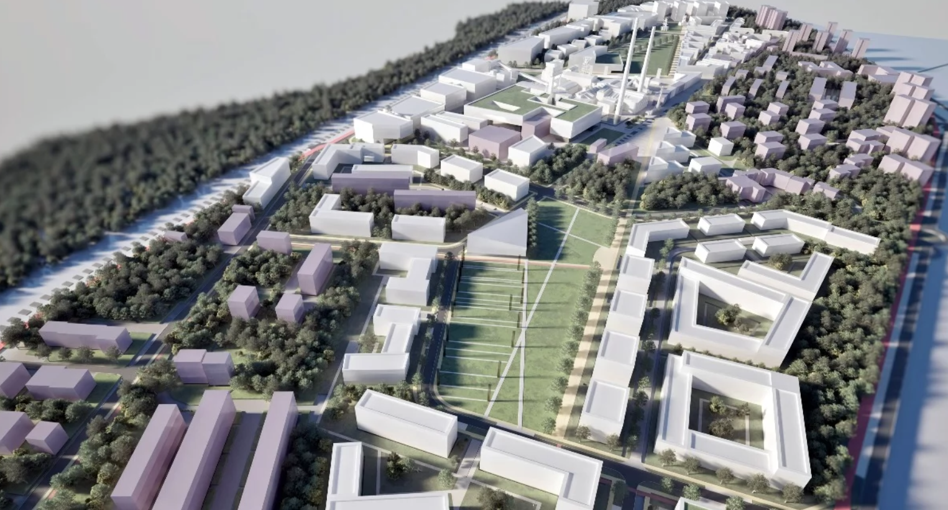
The designers emphasized that the historic mine facilities were the starting point for defining new functions of the space around them. They explained that the area vacated by industry needs both new residents and other functions. Therefore, they proposed concentrating services in the northern part of the development, adjacent to the A4 motorway and the railway line towards Tychy, and housing – south of the mine.
The authors of the winning work placed potential scientific and cultural functions directly next to the historical buildings of Wujek, also creating the possibility of building new facilities for this purpose directly in their southwestern area. In the southernmost part of the development, they allowed for a sports function that would radiate to the neighboring districts.
Thinking about the communication connection of the shared area, the designers drew, among others: future connection with ul. Załęska Hałda and its internal service through a road framing a significant part of it, one of its arms reaching indirectly to ul. Consent.
The vice-chairman of the competition jury, architect of the city of Katowice, Aleksandra Tomkiewicz, assessed on Tuesday that the winning work best fulfilled the aim of the competition, which was to find a scenario for the development of a new urban fabric in this location.
– The axis of this scenario should be – and this was the assumption – the idea of a compact city. This idea should include the potential of the area's industrial heritage, but also the need to preserve the memory of recent history events, Tomkiewicz noted.
The Mayor of Katowice, Marcin Krupa, said that although the symbolic workplace is passing away, being aware of the speed and directions of world development, we must take part in this race and be part of the changes in the European economy. Hence the need to determine the shape of post-mining area development, which will probably be implemented over the next 30-40 years.
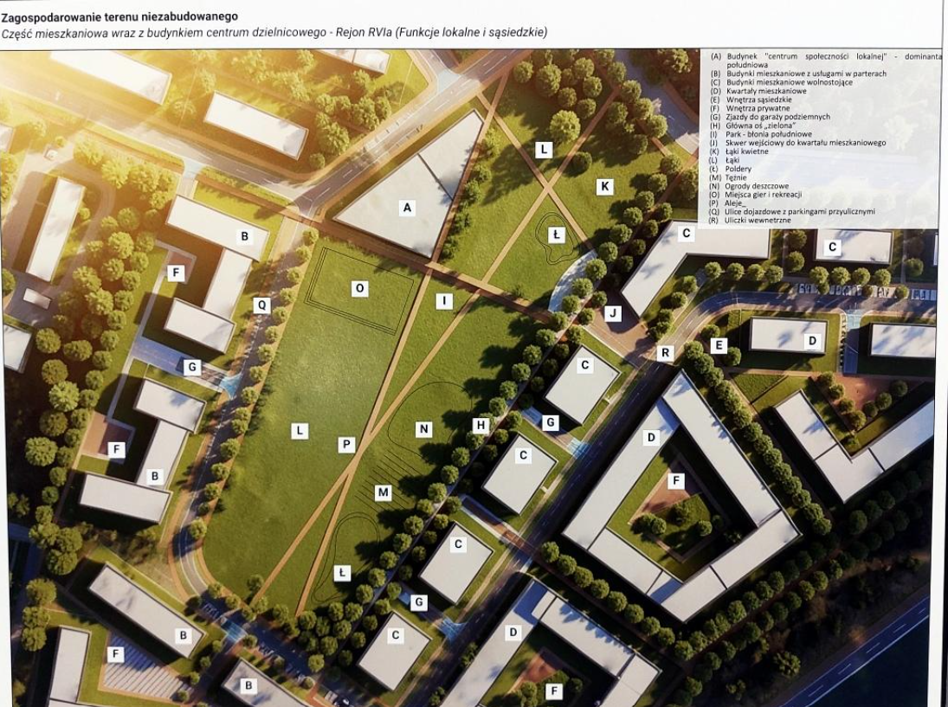
– Someone had to win the competition, but this does not mean that subsequent works lost, because they have many interesting elements that can also be taken into account in the future spatial development plan. But as if the main signpost is the winning work, Krupa pointed out, specifying that one of the prizes was the participation of the winner's representatives in giving opinions on future planning documents.
According to the city, the area of the Wujek mine and around it is extremely attractive due to, among others, to the proximity of the A4 motorway and existing housing estates. For this reason, it will not be entirely intended for residential investments, but – apart from the historical part of the mine – it will also include cultural, scientific and service functions.
Even before the competition was announced, representatives of the Polish Mining Group, the local governments of Katowice and the province declared cooperation on the future of the Wujek mine area in a letter of intent. Silesia and the Upper Silesian-Zagłębie Metropolis.
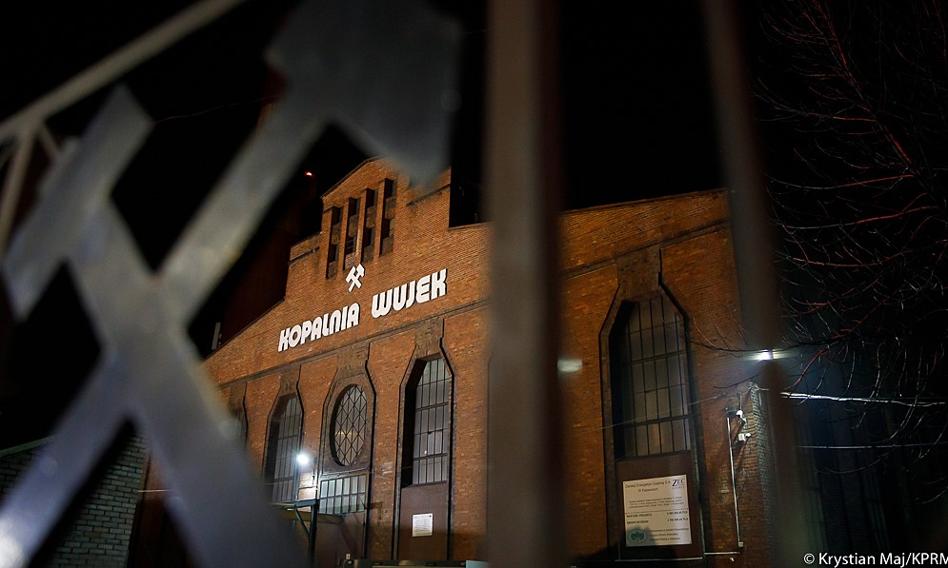
The Wujek Mine is of particular importance for the history of Katowice and Poland. Miners who went on strike against the introduction of martial law were brutally pacified on December 16, 1981. Nine of them died. The memory of the victims is maintained by the Silesian Center for Freedom and Solidarity, which operates in the former mine buildings.
The expansion of its headquarters is currently being completed and is scheduled to open at the end of May this year. ŚCWiS, also known as Centrum Dziewięciu z Wujeka, has already obtained a subsidy and is preparing the revitalization of the former chain bath, which is located on the premises of the plant. It was there that miners protested against the introduction of martial law, masses were held during the strike, and in front of it, Fr. Henryk Bolczyk gave the strikers collective absolution, i.e. absolution in the event of death.
At the end of March this year The Provincial Conservator of Monuments in Katowice has initiated the procedure of placing seventeen historic buildings of the Wujek mine under conservation protection. (PAP)
mtb/pad/