Iran does not know exactly where it placed the mines in the Strait of Hormuz. Trump announces that the demining process has begun

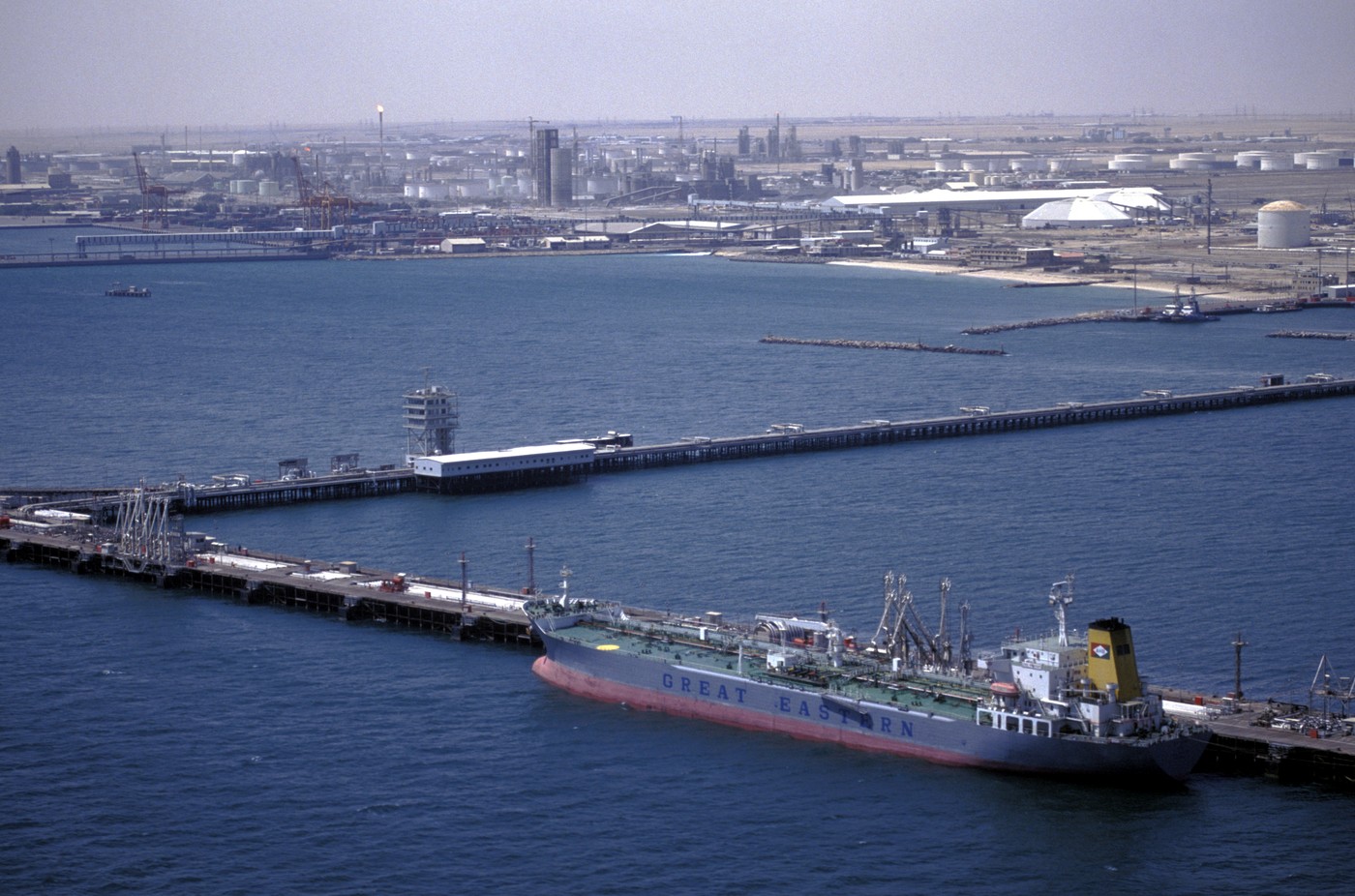
Iran has failed to open the Strait of Hormuz to more intensive maritime traffic because it cannot locate all the mines it has placed in the strait and does not have the ability to remove them, American officials told The New York Times (NYT), taken over by News.ro.
This situation is one of the reasons why Iran has failed to quickly comply with the Trump administration's warnings to allow more traffic through the strait. It is also a factor that could complicate the negotiations between the US and Iran, which are to take place with the mediation of Pakistan.
Iran used small boats to mine the strait last month, shortly after the United States and Israel began war against the country. The mines, plus the threat of Iranian drone and missile attacks, have reduced the number of oil tankers and other vessels passing through the strait to a minimum.
Iran mined randomly
Iran has left a narrow passage through the strait open, allowing only ships that pay a toll to pass through. Iran's Islamic Revolutionary Guard Corps issued warnings that ships could collide with sea mines, and semi-official news agencies published maps showing safe routes.
Those routes are limited in large part because Iran has mined the strait haphazardly, U.S. officials said. It is not clear whether Iran has registered the location of each mine. And even when the location was recorded, some mines were placed in a way that allowed them to float or drift, according to officials.
As with land mines, removing sea mines is much more difficult than placing them. The US military lacks robust mine clearance capabilities, relying on littoral combat ships equipped with mine-sweeping capabilities. Nor does Iran have the ability to quickly remove mines, even those it has planted.
In a social media post on Tuesday discussing a pause in the US-Israeli war with Iran, President Trump said a two-week truce hinged on the “full, immediate and safe opening” of the Strait of Hormuz.
Tehran cites 'technical limitations'
On Wednesday, Abbas Araghchi, Iran's foreign minister, said the strait would be opened to traffic “taking due account of technical limitations”. US officials said Araghchi's remark about technical limitations actually referred to Iran's inability to quickly find or remove mines.
The US military tried to destroy the Iranian navy by sinking ships and targeting naval bases. But Iran has hundreds of small craft that it can use to harass ships or lay mines. Destroying all these small craft proved impossible.
On March 2, a senior Revolutionary Guard official announced that the strait had been closed and said Iran would “burn” ships if they entered the strait, according to state media. In the days following this threat, Iran began mining the strait, even as the United States stepped up attacks on Iranian naval forces. At the time, US officials said Iran was not placing mines quickly or efficiently.
Because it was difficult to track the small craft that laid the mines, the United States does not know exactly how many mines Iran has placed in the strait or where they are located.
Trump again blames his allies
On Saturday, even as the negotiations began in Islamabad, President Trump posted on Truth Social that the United States had begun demining operations in the Strait of Hormuz “as a goodwill gesture to countries around the world.”
The US president said that the Iranian minesweepers “are also at the bottom of the sea”.
Saying that all of the Iranian military's air and naval capabilities have been diminished and its missiles and drones “have been mostly destroyed,” Trump added: “The only thing they have left is the threat that a ship could 'hit' one of their sea mines, which, by the way, all 28 mine-laying ships are also on the seabed.” We are now starting the process of cleaning up the Strait of Hormuz as a favor to countries around the world, including China, Japan, South Korea, France, Germany and many others. Unbelievably, they don't have the courage or the will to do this work alone.”