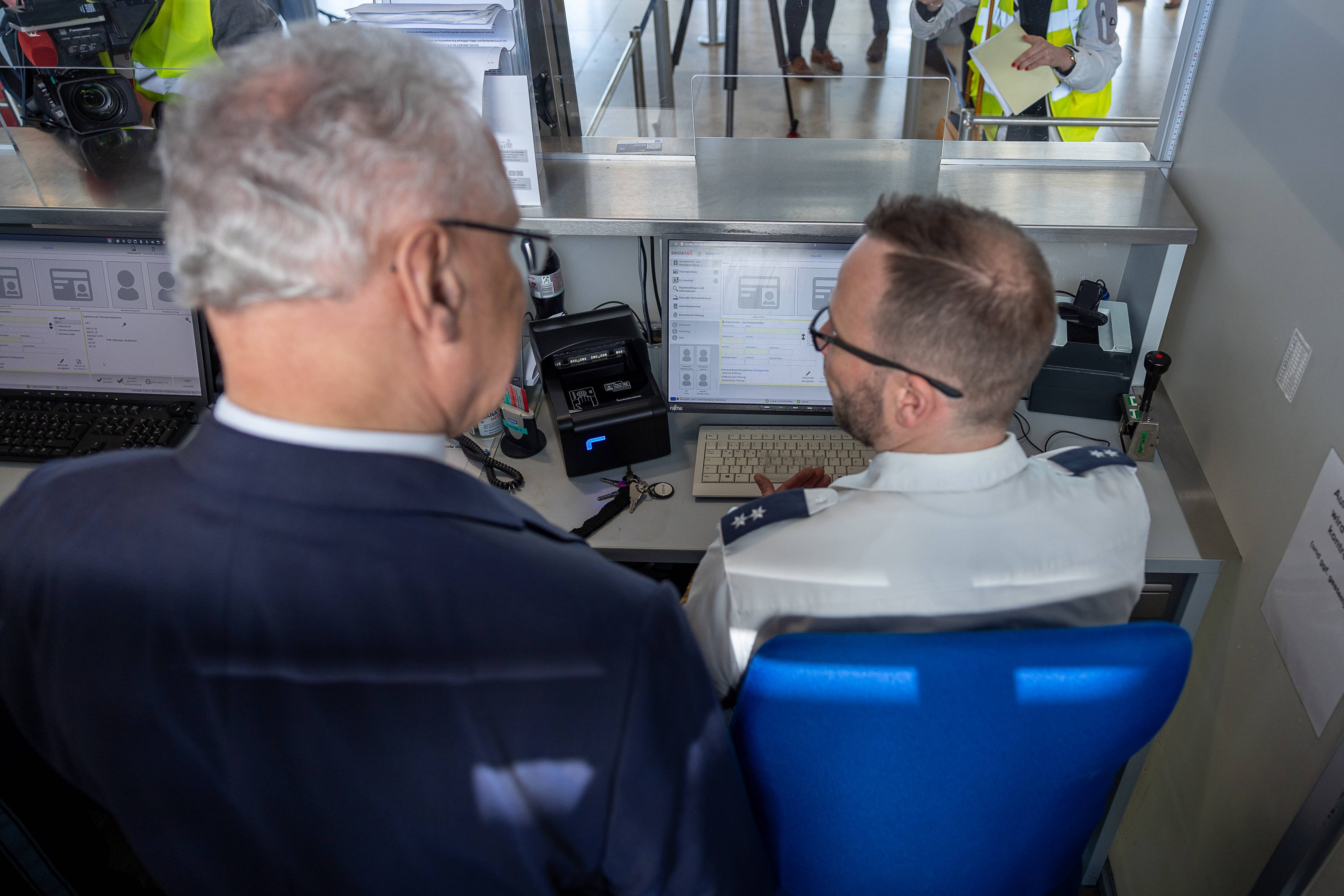
More than 27,000 people were refused when they wanted to enter the European Union, of which 700 represented a threat to security, the figure representing the total since the gradual introduction, in October, of the new system of controls at EU borders, the European Commission announced on Friday, quoted by France Presse.
“Since its introduction, more than 52 million entries and exits have been registered, with more than 27,000 refusals of entry,” said the Commission, which welcomes the full operation of this new EU Entry-Exit System (EES) on Friday.
The EU's new digital border system, which requires fingerprints and photos in addition to scanning the passport, became operational from Friday 10 April in Romania as well.
Thanks to these new automated border controls, “checking in a traveler takes only 70 seconds on average, which is a very short time,” the Commission said.
Replacing manual stamps, this new system enables the recording of contact details and biometric data of the travelers concerned, as well as entry and exit data, to track overstays and refusals of entry.
It applies to third-country nationals, i.e. those who do not have the citizenship of one of the 27 EU countries or Iceland, Liechtenstein, Norway or Switzerland. It also applies to short-term stays of a maximum of 90 days.
The system combines online registration and digital self-service pre-registration kiosk before passing through police control.
According to the Commission, this new system should modernize and speed up checks, prevent illegal immigration and strengthen security in the EU.
At the start of the year, the airline sector criticized delays in implementing the new system.
“At the moment, the system is implemented at all EU external border crossing points, and the Commission remains in close contact with member states regarding its implementation,” the European executive said on Friday.