2026-04-09 19:29
publication
2026-04-09 19:29
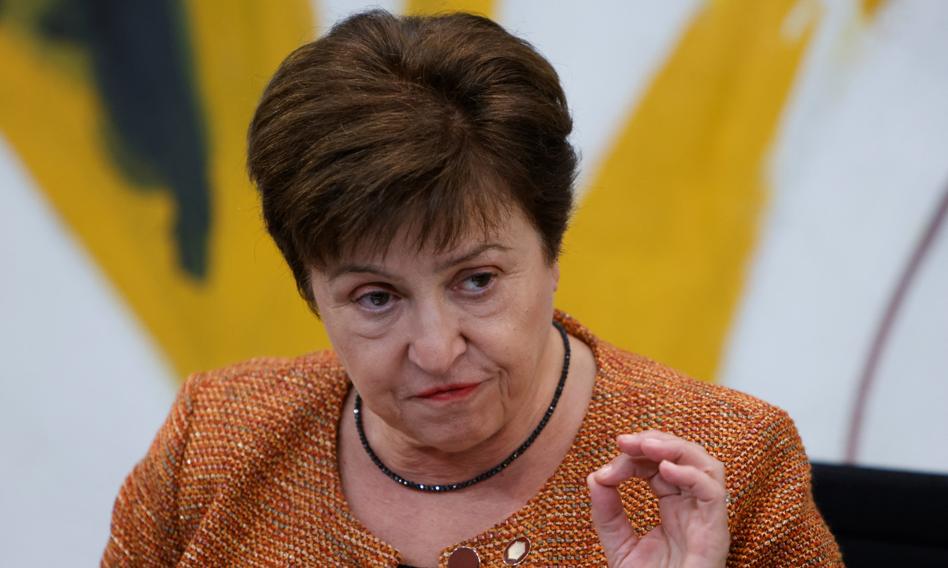
The war with Iran will leave lasting scars on the global economy even if a Middle East peace agreement is reached and maintained, International Monetary Fund (IMF) Executive Director Kristalina Georgieva warned on Thursday.
In a speech announcing the IMF's annual spring meeting in Washington, Georgieva said the “lasting effects” of the war so far will result in slower global economic growth this year than originally expected.
She explained that if it had not been for the outbreak of war six weeks ago, the IMF would have increased economic growth forecasts for 2026. – However, currently, even our most optimistic scenario assumes lower growth forecasts. Even in the best case scenario, a smooth and trouble-free return to the status quo will not be possible, she said.
As she revealed, every scenario developed by the IMF for the institution's flagship report “World Economic Outlook” – which will be published on Tuesday – indicates that the war will have a negative impact on economic growth.
Last fall, the IMF forecast that global growth would reach 3.1% in 2026, which would represent a slight slowdown from 3.2%. achieved in 2025
Georgieva said the global economy had achieved “significant momentum” before the start of the war with Iran, driven by technology investments and favorable financial market conditions. But infrastructure damage, supply disruptions, loss of confidence and other negative effects associated with war will cause losses to the global economy regardless of whether a peace agreement can be reached.
“We don't know what the future holds for transport through the Strait of Hormuz.”
Highlighting uncertainty over sea transport to and from the Persian Gulf and the time it will take to restore production at bombed-out oil and gas facilities across the region, Georgieva warned that the world faces further disruption.
– The fact is that we do not really know what the future holds for transport through the Strait of Hormuz and what the recovery of regional air traffic will look like. However, we know that economic growth will be slower – even if the new peace turns out to be lasting, she said.
Pointing out that some countries' economic growth forecasts would be cut more severely than others, Georgieva warned that oil-importing countries, poorer countries and small island states would be particularly hard hit.
But she called on governments around the world to “reject single-handed actions” such as export and price controls. – This may make the situation in the world even worse: we should not add fuel to the fire – she warned.
As many countries enter the crisis with high debt levels and higher financing costs, the IMF chief urged governments to focus on targeted and temporary support measures for the most vulnerable households.
She explained that costly across-the-board tax cuts or energy subsidies could risk stoking inflation while also threatening fragile public finances. She added that central banks should also act cautiously, keeping interest rates unchanged but remaining ready to take actions to limit inflation. (PAP)
bjn/ kar/