Piocyanic bacillus, discovered again in the water network of the Pediatric Hospital in Ploiesti. Admissions will be limited

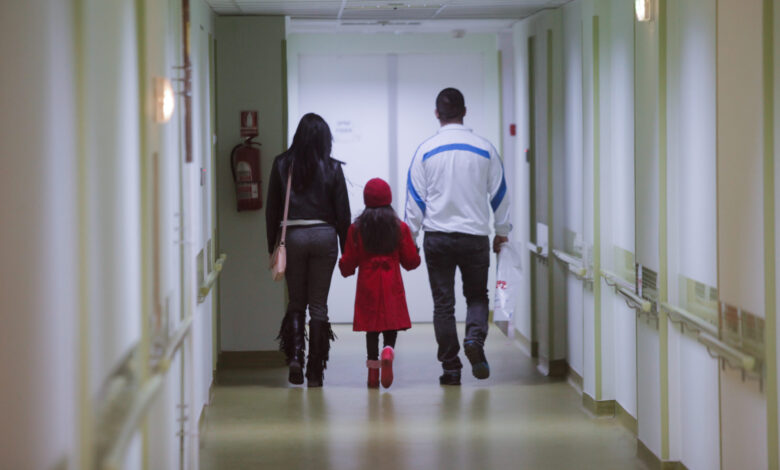
The Pediatric Hospital in Ploiesti, the largest health facility that treats children in Prahova County, is once again facing problems with regard to water quality. The bacterium Pseudomoas Aeruginosa (pyocyanin bacillus) was discovered during routine tests on samples taken from the hospital.
The existence of bacteria in the water supplied to the hospital was discovered recently, when the management of the sanitary unit decided to test the quality of the water more often than stipulated in the regulations, after last year, the Ploiesti Pediatric Hospital faced a long period in which the water was non-compliant, due to the age of the building's internal installation, reports News.ro.
“Because we had that episode last year, we decided to check the water not every six months, but quarterly. We checked last week and were informed that at a sampling point, at a sink, non-compliant water came out. It is a sink that is rarely used. When we found out about this, we immediately notified the Directorate of Public Health”, the manager of the Ploiesti Pediatric Hospital, doctor Anca Miu, told News.ro.
She specified that the samples taken from the clinical wards are sterile, compliant, yet the water supplied through the hospital network is no longer used for household purposes.
“We have taken the necessary measures: we have stopped water consumption in the entire hospital, only potable water purchased by the hospital is consumed. We have taken from Apa Nova a tank with water that is refreshed every two days and that is rinsed when washing dishes, bottles, for hands”, added Anca Miu.
On Monday, the Prahova Public Health Directorate took samples from the existing water in the hospital network, and on Wednesday the results of the analyzes will come out.
Admissions will be limited to emergencies only
The hospital's management has taken measures to ensure bottled water for the entire holiday period and will limit hospitalizations only to emergencies, the hospital's manager, Anca Miu, also stated for the Agerpres agency.
“When we found out that there was a problem with that sink, we stopped drinking water throughout the hospital (…) and we give bottled water, we cook with water from Apa Nova and we use our water only for housekeeping, that is, for the toilets,” she explained.
The sink from which that sample was taken is in the box where the cleaning materials were stored, and the rest of the samples from the hospital were compliant.
“It's a sink that's not used very much. The samples from the children's department were compliant, that is, they were sterile. (…) that sink was not used much, because it was in a cleaning box, that is, where the cleaning materials, mops were stored (…), not circulating the water very often, it stagnates and that's about it,” explained the manager of the sanitary unit.
“The situation will repeat itself”
On Wednesday, the scheduled disinfection of the water installation will be carried out, and then new samples will be taken.
From the point of view of the manager Anca Miu, this situation will be repeated as long as it is not possible to replace the entire water installation of the hospital.
A year ago, two-thirds of the Pediatric Hospital's water installation was replaced, after the same bacteria was detected in a water sample.
The Directorate of Public Health (DSP) Prahova announced the lifting of water consumption restrictions at the Ploiesti Pediatric Hospital only four months after the detection of that non-compliant sample, upon completion of the replacement works of the indoor drinking water distribution installations.