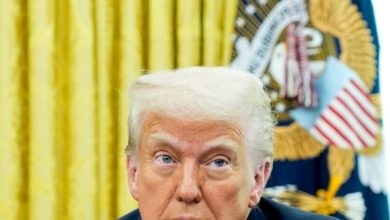
Iran countdown. The secret plan that can cripple the Islamic Republic is awaiting Trump's order to be implemented

Moments of maximum tension on the international stage, with eyes fixed on Washington and Tehran. The American president, Donald Trump, is facing one of the most delicate decisions of his term: a devastating attack on Iran or a new postponement of the negotiations, in a game of pressure taken to the limit.
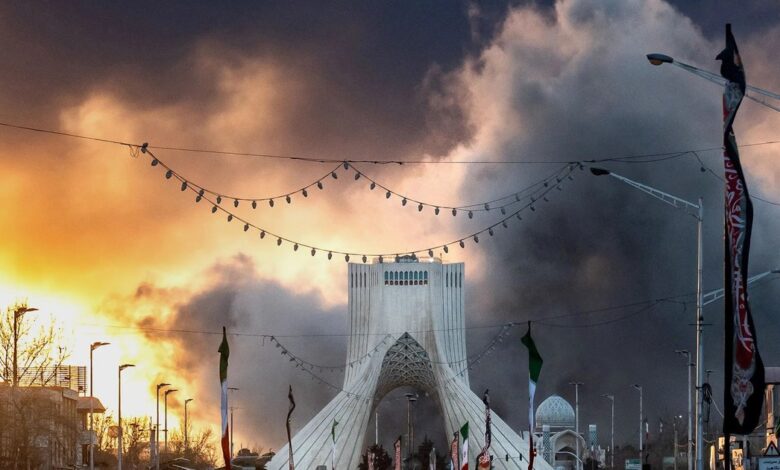
Tehran under the American-Israeli bombs/PHOTO: X
According to information appearing in the American press, including Axios, the military plan is already prepared and could be activated at any time. The scenario calls for coordinated strikes on Iran's critical infrastructure — bridges, power plants and other strategic targets — in an operation that could cripple the country in just hours.
Trump set Tuesday at 8:00 p.m. ET (3:30 a.m. Wednesday, Tehran time, 3:00 a.m. Wednesday, Romania time) as the deadline for a deal, after issuing a message on Sunday renewing threats to bomb key Iranian infrastructure if Tehran did not open the Strait of Hormuz. Speaking on Monday, Trump said the US had a plan that every bridge and power plant in Iran could be destroyed by midnight on Tuesday. He previously threatened to attack Iran's oil wells and water desalination plants.
“We have a plan where every bridge in Iran can be destroyed by tomorrow night, and every power plant will be out of commission — burning, exploding and unusable for a long time. It would take them 100 years to rebuild.” he said, suggesting he was not concerned about the possible legal implications of such actions.
Such an attack would have dramatic consequences for the civilian population and risk triggering a domino effect throughout the Middle East in an already fragile region.
Diplomacy under pressure
In parallel, diplomatic channels remain open, with regional actors such as Pakistan, Egypt and Turkey trying to avoid a major escalation.
Iran's ambassador to Pakistan said Islamabad's “positive and productive” efforts to end the war were “approaching a critical and sensitive stage”.
“Stay tuned for more”Reza Amiri Moghadam said in a post for X on Tuesday.
Pakistan has positioned itself as a peace broker in the conflict, holding meetings with other leaders in the region and offering to host talks between Iran and the US, capitalizing on its stable ties with both countries. Egypt was also a key interlocutor.
Pakistan's foreign minister held talks with his Egyptian counterpart on Monday evening, according to a statement issued by the Pakistani foreign ministry on Tuesday.
“Both leaders stressed the need for de-escalation and dialogue and agreed to remain closely engaged as the situation evolves”the statement said.
However, there is no unified position within the US administration: while some officials support the continuation of negotiations, others are skeptical of any further postponement.
Sources close to the talks say Donald Trump is taking a tougher line than even some of his advisers, already weighing reactions to a possible attack scenario suggestively dubbed “Infrastructure Day” — a coordinated operation to strike Iran's vital infrastructure.
At the heart of the crisis is the Strait of Hormuz, a strategic route for much of global oil and gas exports. Trump has issued several ultimatums to Tehran in recent weeks, demanding its reopening and threatening, if not, the destruction of its energy infrastructure.
Pressures from allies
At the same time, key US allies, including Israeli Prime Minister Benjamin Netanyahu and leaders of the Gulf states, are calling for a firm stance and rejecting the idea of a truce without major concessions from Iran.
On the other hand, Tehran sent a response to the peace proposals, considered “maximalist” by American officials. However, at the White House there is a perception that this is part of a negotiation strategy, not a categorical refusal of dialogue. Mediators are continuing talks, although they warn that decision-making mechanisms in Iran are slow and complicated.
According to sources, a joint US-Israeli plan to bomb Iranian energy facilities is already finalized and can be implemented immediately. The looming question now is whether Washington will choose the path of diplomacy or direct confrontation.