EU states urged by the Commission to reduce oil and gas consumption. Fears of “prolonged disruption” due to war

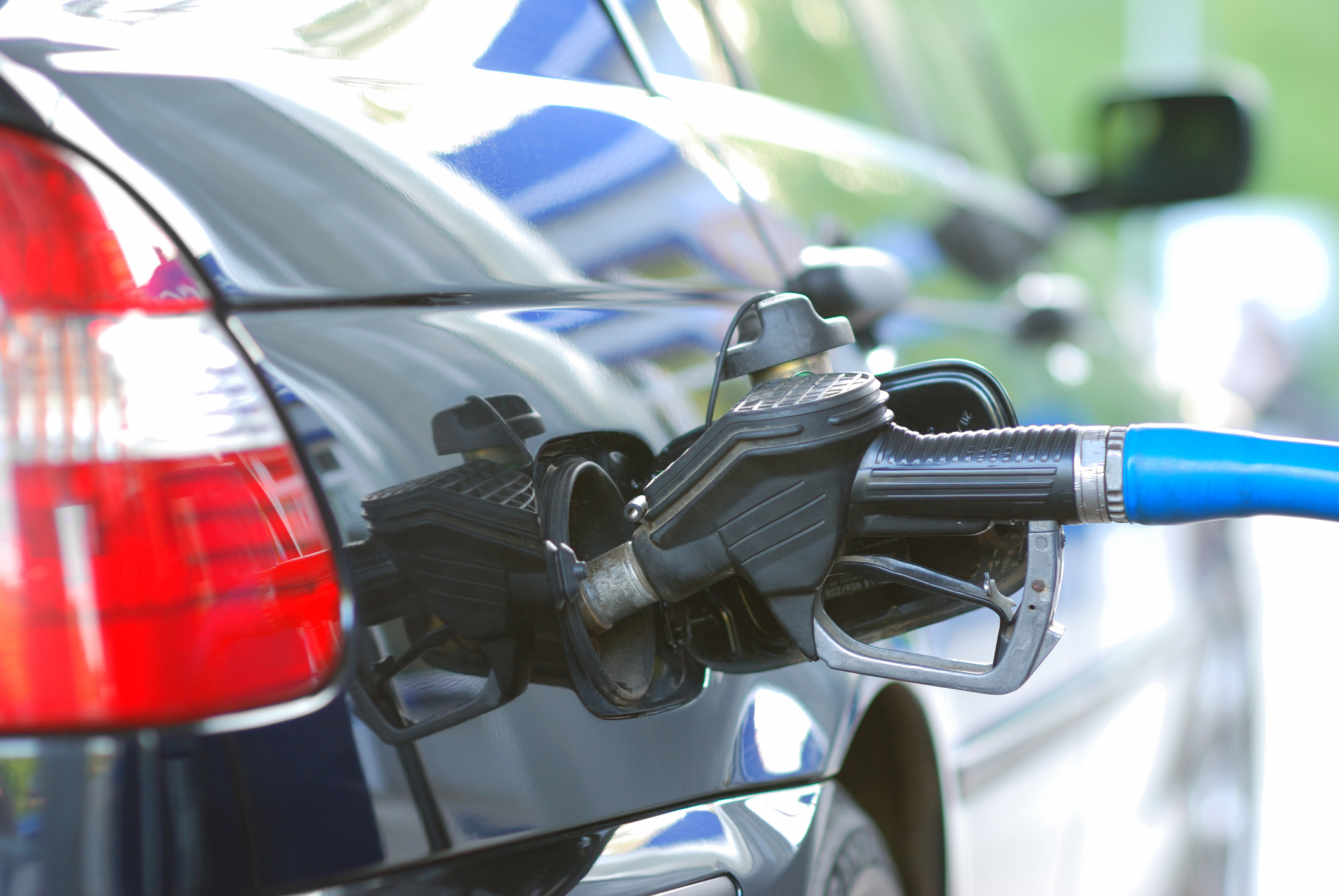
The European Commissioner for Energy, Dan Jorgensen, has sent a letter to relevant EU ministers asking them to consider reducing oil and gas consumption, especially in the transport sector, to prepare for “potential prolonged disruption” due to the war in the Middle East, Politico wrote.
In the letter, Jorgensen tells national governments that they should consider “voluntary demand reduction measures … with a particular focus on the transport sector”.
According to Politico, under these conditions, governments could ask citizens, for example, to drive less or fly to save fuel for more essential purposes, as is already happening in some Asian countries.
Energy ministers from EU states are meeting in an emergency meeting on Tuesday to discuss how to tackle the crisis in the sector.
“They should refrain from taking measures that could increase fuel consumption”
The relevant European commissioner warns in the letter that the European transport sector is facing rising costs and a supply shortage due to the industry's dependence on the Persian Gulf, which the EU relied on for more than 40% of its diesel and jet fuel imports.
The shortfall is compounded by the “limited availability of alternative suppliers of refining capacity for certain products within the EU”.
“Member states should refrain from taking measures that could increase fuel consumption, limit the free flow of petroleum products or discourage EU refinery production,” Jorgensen said.
The official said countries should take into account the cross-border impact of national measures to preserve “coherence at EU level”. He also encouraged states to increase monitoring and information sharing, “delay non-essential refinery maintenance” and consider using more biofuel.
European countries have not yet resorted to measures to reduce demand, as happened in the oil crises of the 1970s, when various governments imposed gasoline rationing.
The International Energy Agency has already published a list of proposals to reduce demand, such as encouraging working from home and lowering speed limits on motorways.
In Romania, the Government last week adopted an emergency ordinance regarding the declaration of a crisis situation on the market of crude oil and/or petroleum products by which it capped the commercial addition to fuels. Today, Prime Minister Ilie Bolojan said that a decrease in the excise duty on diesel fuel is being prepared.
Measures taken into account by the European Commission
Roxana Mînzatu, vice-president of the European Commission, told Digi24 on Monday that “Europe is not facing a shortage, in the sense of supply, access to fuel”, but with “a price crisis”.
“We have a precedent and it is the year 2022, when Europe faced a similar crisis related to fuels, but at the moment, no, the European Commission has not issued a specific recommendation for the situation we are in. Europe is not facing a shortage, in terms of supply, access to fuel. We have a price crisis,” said Mînzatu, European Commissioner for Social Rights and Skills, Quality Jobs and Training.
She said there was “close coordination” between the Commission and member states on the issue.
“We are looking at what measures we have taken in 2022 as well, some flexibility measures, for example, of state aid, which would eventually allow the member states to intervene to protect their companies, to protect citizens, households, so that is what we are looking at, but no decision has been made in this regard yet,” Roxana Mînzatu said.
PHOTO: Haveseen | Dreamstime.com