The US dollar will appreciate strongly if the conflict in Iran persists. What will be the winners and losers in the forex market

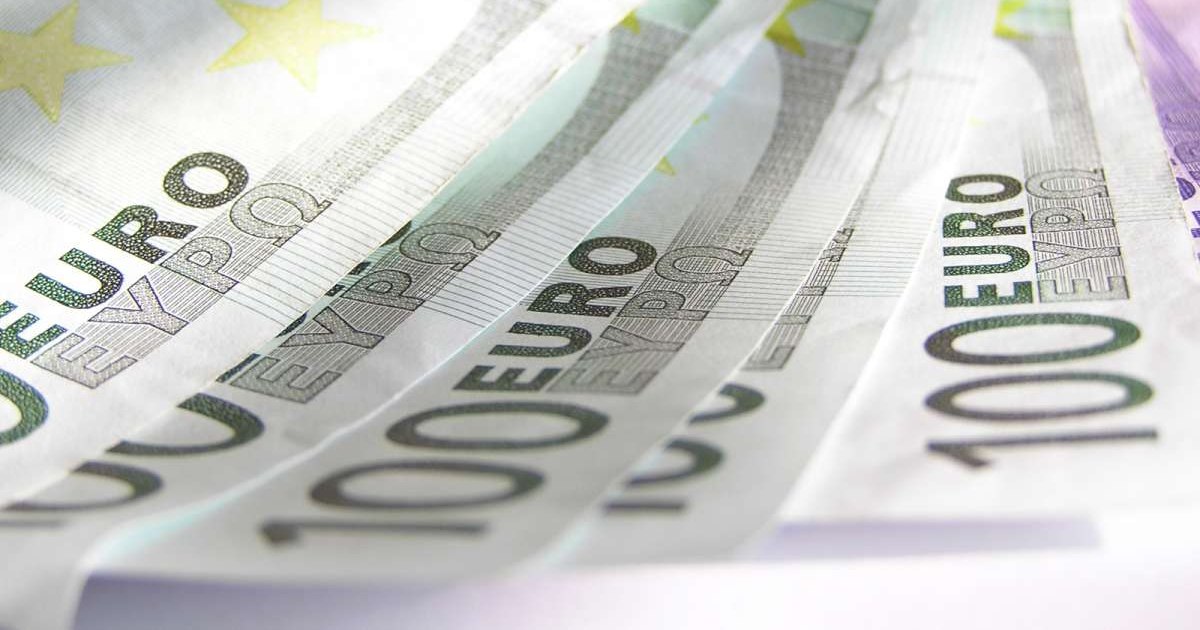
The war in Iran continues without a clear end, and financial market participants are beginning to consider a scenario in which the conflict drags on for several months, which will strongly influence the currency market.
The single European currency will suffer the most from the war in Iran. Archive photo
“The main source of pressure on the markets is the closure of the Strait of Hormuz, one of the most important global routes for the transportation of oil. If this situation continues, the impact will not be limited to increasing oil prices, but will generate additional inflationary pressures, slow global economic growth and, in some cases, could push some economies into recession“say Ebury analysts.
The dollar and its related currencies, the main beneficiaries
An analysis of the effects of the Middle East conflict on major currencies shows that currency dynamics are mainly driven by two forces: global risk aversion and structural exposure of economies to energy shocks.
“The US dollar is shaping up to be the main beneficiary of these developments. As a safe-haven asset, it attracts massive capital flows in times of geopolitical uncertainty. At the same time, the United States' position as a net exporter of oil and liquefied natural gas provides an additional advantage: rising energy prices support GDP growth while reducing exposure to imported inflation.” analysts claim.
Along with the dollar, it also indirectly benefits currencies that are anchored or closely managed in relation to it, especially those in the Middle East. They have been shielded from the volatility that has plagued other emerging currencies, largely thanks to the Gulf states' strong reserves and rising income from energy exports. In the same category can be included the Chinese yuan, which, although not formally fixed, is managed in a way that keeps it aligned with the dollar. In addition, China appears relatively insulated from the direct effects of the conflict, with significant oil reserves and diversified sources of supply, including Russia.
The Swiss franc and the yen will appreciate
Traditional safe-haven currencies, such as the Swiss franc and Japanese yen, also tend to appreciate in periods of risk aversion, but their performance is more modest compared to the dollar.
Another group of winners is the oil and gas exporting economies. The partial or total closure of the Strait of Hormuz creates opportunities for suppliers outside the Gulf region, who can increase export volumes and benefit from higher prices, analysts say, noting that this situation improves trade balances, increases budget revenues and strengthens the external positions of these economies. Currencies such as the Canadian dollar, the Norwegian krone or the Australian dollar are directly benefited by this dynamic, along with other currencies from emerging economies dependent on energy exports.
The lion will continue to depreciate. How the packages of fiscal measures influence the Romanian economy
The pound sterling occupies an intermediate position. Although the UK is a net importer of energy, its dependence on the Middle East is less than that of the Eurozone, and its service-based economic structure offers some degree of protection.
Euro and other European currencies, caught under pressure
In contrast, major European currencies, especially the euro, are under pressure. The euro zone is heavily dependent on energy imports and has been forced to diversify its supply chains after imports from Russia stopped, making it particularly exposed to sudden increases in oil and liquefied natural gas prices.
“This aspect is all the more important since most European states entered March with unusually low gas stocks: around 30% at the level of the European Union, around 20% in Germany and below 10% in the Netherlands. In this context, the role of Qatar becomes essential, it represents about 15% of the total LNG imports of Europe, but the stoppage of its deliveries amplifies the pressure on the market. Alternatively, US LNG exporters are in a position to benefit significantly as Europe and Asia compete for the same resources“, note the analysts.
According to them, the weakening of the euro has contagion effects on the currencies of Central and Eastern Europe, which tend to experience even greater losses in such contexts. The Hungarian forint proved particularly vulnerable, especially as Hungary has one of the highest shares of net energy imports in GDP. Furthermore, the forint had been one of the best-performing emerging currencies in the previous year, making it more exposed to corrections in a risk-averse environment.
In general, analysts say, the currencies of countries that are net importers of oil and gas are at a disadvantage in an environment characterized by high energy prices. Higher import costs act as an additional tax on economies, affecting trade balances, increasing inflation and affecting growth prospects.
On the other hand, analysts say, looking ahead, if the conflict persists, the US dollar will most likely continue to dominate, and the structural differences between the economies – especially those related to energy – will determine the winners and losers.
Instead, analysts say, in the event of a quick resolution to the conflict, a relatively quick reversal of flows to safe-haven assets is likely, which could lead to a depreciation of the dollar towards pre-war levels.