Trump's proposed 15-point Iran plan scrapped: “These negotiations will take much longer than a week or two”

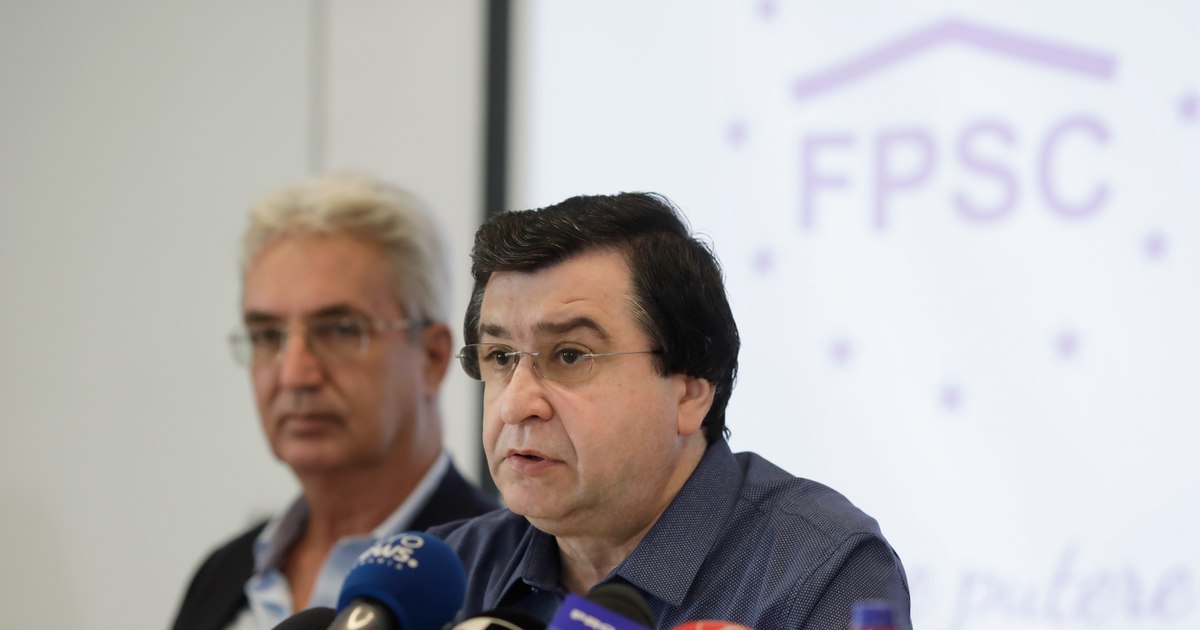
The 15-point peace proposal advanced by Donald Trump for Iran provides for many conditions that are simply impossible for Tehran to accept, explains Ioana Mateș, an expert in international relations and a lawyer specializing in the region. The situation is similar to Iran's demands.
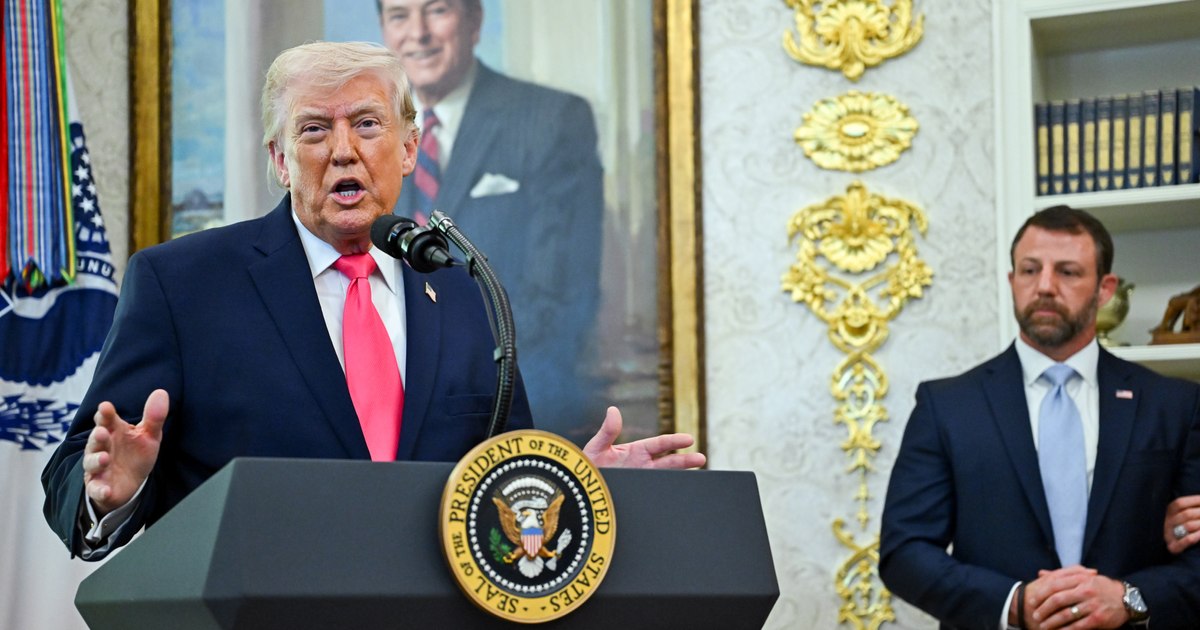
The peace proposals advanced by the Trump administration seem impossible to accept. PHOTO: EPA EFE
“The Guardian” analyzes the 15-point peace plan for an agreement with Iran, which Donald Trump probably referred to in the last statements. Diplomats cited by the publication say the plan stems largely from a proposal drawn up by his negotiating team during talks on the nuclear program last year.
Among the proposals are restrictions on the ballistic missile and nuclear programs, as well as an end to support for Iran-affiliated groups in the region, and the opening of the Strait of Hormuz.
Diplomats note that certain elements of the 2025 framework could be overcome, given additional rounds of negotiations in 2026 and the fallout from US strikes on Iran's nuclear infrastructure, particularly uranium enrichment facilities.
“Despite this, there are no clear indications that a significantly revised version has been formally presented to Iran or agreed to by both sides“, conclude the British journalists.
On the other hand, among Tehran's demands are the closure of all US military bases in the Persian Gulf, the complete lifting of sanctions and compensation for damages suffered from previous attacks. In addition, Iran is demanding guarantees that the war will not continue and an end to Israel's attacks on Hezbollah, Tehran's ally, Reuters notes.
Iran also wants a regional agreement that would allow it to levy tolls on ships transiting the Strait of Hormuz, a strategic point through which about a fifth of the world's oil flows.
Iran has reportedly begun charging fees for passage through the Strait of Hormuz by some commercial ships, a sign that the country is strengthening its control over this vital sea route, Bloomberg reported. The quoted source claims that the passage fee for certain commercial vessels is $2 million. The Spanish press reported that ships belonging to Spain will be able to transit the Strait for free, given the critical position of the Spanish Prime Minister vis-à-vis the American-Israeli intervention in Iran.
Why the nuclear program and the ballistic program will not be discussed
The peace plan sent to Iran by the US administration has sparked many controversies, being presented as a broad solution to stabilize the Middle East. However, according to Ioana Mateș – an expert in international relations and a lawyer specializing in the region, who represented hundreds of Romanian companies in Iran, before the sanctions – there is a fundamental gap between what the United States demands and what Iran is willing to accept.
The first and most sensitive point is related to the nuclear program. Iran's position is, in the opinion of the expert, completely inflexible: “Qregarding the dismantling of nuclear equipment will not be discussed”. The motivation is not only strategic, but also economic and social. Iran needs energy: “gas plants do not meet domestic needs”and supplementing energy capacities becomes an urgent necessity.
The civilian component of the program is essential: “they need nuclear power, but they need Uranium for medical equipment, research and agriculture”Mateș explains. From this perspective, the US demand to dismantle nuclear facilities is completely unacceptable. “They will never agree to hand over their nuclear material“, she emphasizes, recalling that Iran considers the nuclear program “the effort of generations”paid including with human lives.
There is, however, a limited area of compromise: “agree to submit to inspections by the International Atomic Energy Agency and dilute any concentration to civilian use levels.” This is essentially the only real concession possible.
'Peace through strength': Trump invokes Reagan's Cold War-era doctrine. Iran's 48-hour ultimatum on the Strait of Hormuz
Another critical point of the American plan is the ballistic missile program. And here Iran's answer is categorical: “in no way is it a point of negotiationFrom Tehran's perspective, this program is about “the natural right to defend oneself”. In an unstable regional context, giving up this capability would mean major strategic vulnerability.
The situation in the Strait of Hormuz – dialogue seems possible
As for the Strait of Hormuz, things are more nuanced. There is no rigid position, and the expert believes that “there will be room for negotiation”. Most likely, the solution could be a regional agreement among the states of the Persian Gulf: “a navigation agreement and an exploitation agreement signed by the riparian states”. This is one of the few points where dialogue seems possible.
But the situation becomes rigid again when it comes to Iran's regional influence and support for groups such as Hezbollah. Mateș explains this policy through an ideological dimension: Iran sees itself as the protector of the “oppressed peoples”. In this context, support for such groups is not negotiable without major concessions from the opponents.
Moreover, the expert identifies an absolute red line: “in the absence of the withdrawal of Israeli troops from southern Lebanon, there will be no compromiseThis condition, she says, has “100% certainty” and blocks virtually any fast chord.
I think these negotiations will take much longer
Another sensitive point is Iran's demand for the withdrawal of US military bases in the region. Although it seems like a maximum request, Mateș interprets it rather as a negotiation tool: “It's an incentive, an idea he wants to put on the back of the Persian Gulf countries”. The real goal would be to create a regional security architecture without US intervention: “a kind of non-aggression pact”.
“Do you negotiate with yourselves?”. Donald Trump, mocked by an official from Tehran
However, the chances of the United States agreeing are slim. Such a decision would imply “an entire restructuring of a military doctrine, which cannot be accomplished quickly and without major strategic costs.”
In this context, negotiations cannot be fast. “If the near future means a week, two, I don't think so. I think these negotiations will take much longer”warns Mateș. The complexity of the issues – from nuclear to regional security – involves a long and difficult process.
The Venezuela model, never possible
Another myth debunked by the expert is the idea of changing the Iranian regime, sometimes compared to a “Venezuela model”: changing the government to one “friendly” to American interests and controlling the supply of oil. This categorically refutes the scenario: “There will never be a possibility of foreign intervention to change the political regime in Iran”. The reason lies in the deep identity of Iranian society and “a strong sense of self-determination“.
Moreover, external pressure has the opposite effect to the desired one. “External aggression is a factor of internal consolidation”says Mateș, explaining that the attacks led to a mobilization of society “around the flag”, around power.
Finally, the analysis clearly shows that the American plan, although ambitious, is far from geopolitical realities. Many of the 15 points touch on areas considered vital by Iran: security, energy, national identity. Under these conditions, the chances of a quick agreement are slim, and the negotiations will depend on the ability of both sides to make real concessions – not just to formulate maximum demands.