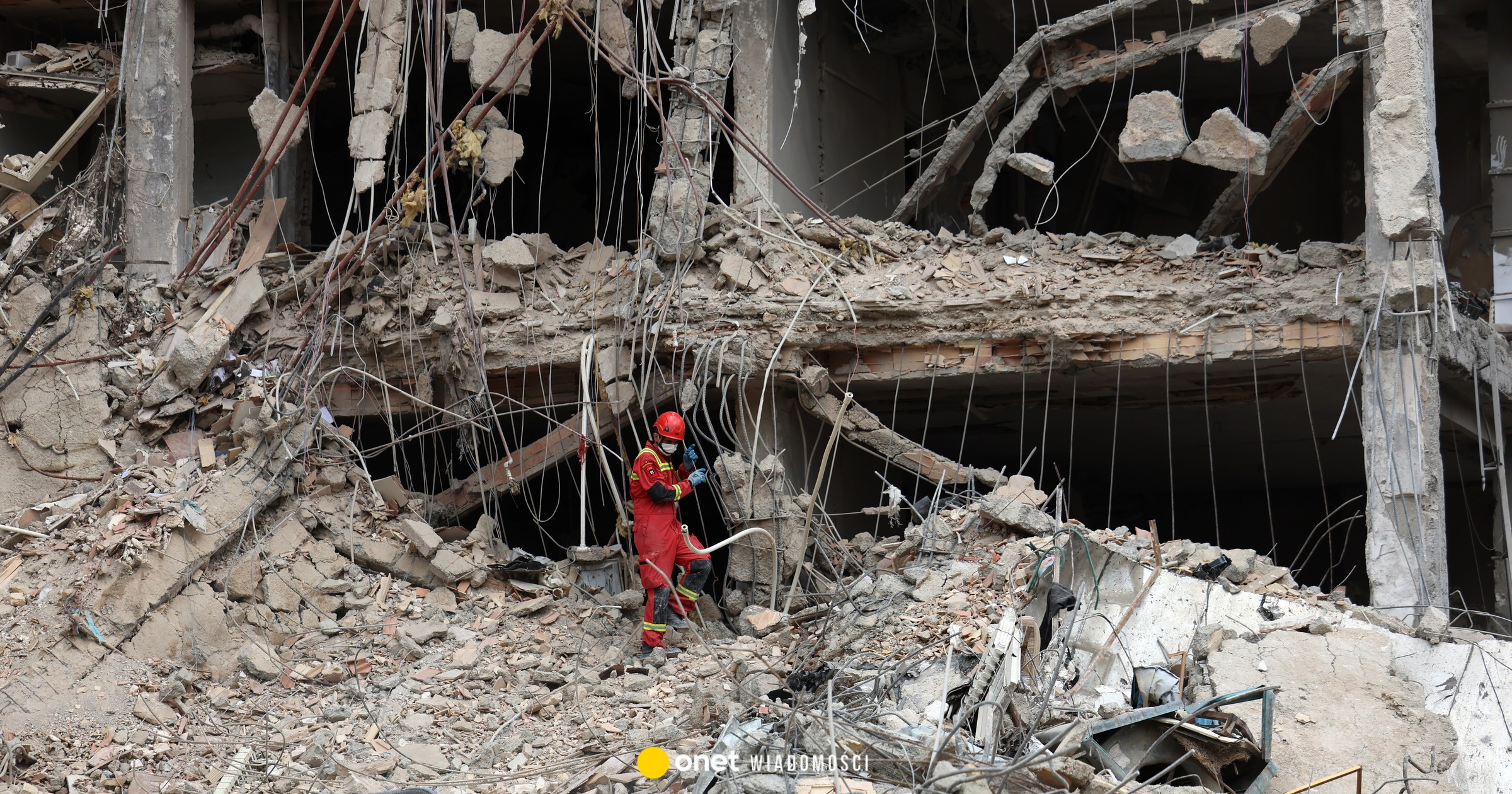
“The army has recently completed a series of massive strikes against the infrastructure of the Iranian terrorist regime in several places in the country,” the Israeli Defense Forces said in a short statement on Thursday morning.
Alarms in Bahrain and UAE
Earlier, Tehran-sponsored Hezbollah fired six rockets into central Israel, Al Jazeera reported. Although defense systems intercepted the missiles and no casualties were reported, the Lebanese organization maintains that its “specialized missiles” precisely hit the Kirya base in Tel Aviv, which is the headquarters of the general staff and a military intelligence center.
On the 27th day of the war, alarms also sounded in Bahrain and the United Arab Emirates. Saudi Arabia shot down more than 20 drones over the oil-producing Eastern Province. In Kuwait, firefighters have been fighting a fire in fuel tanks at the airport for almost 24 hours, caused by the impact of two drones the previous night.
In turn, the Islamic Resistance Movement in Iraq admitted to carrying out 23 operations targeting US bases using dozens of drones in the last 24 hours.
The escalation of military operations is accompanied by reports from the Financial Times about Russian supplies of drones to Tehran, which would constitute Moscow's first military support in this conflict. A spokesman for the Russian authorities puts an end to these speculations, arguing that “there are many falsehoods circulating now. One thing is true – we are continuing dialogue with the Iranian leadership.”
Tension is also rising on strategic trade routes. The Iranian parliament is considering regulations on charging fees for the passage of ships through the Strait of Hormuz, Fars and Tasnim news agencies reported. “It is completely natural. Like other corridors, when goods pass through the country, customs duties are paid; the Strait of Hormuz is also a corridor. We ensure its security, and it is natural that ships and tankers should pay fees,” said the chairman of Iran's civil affairs commission.
In response to the Israeli-American airstrikes on Iran that began on February 28, Tehran blocked the Strait of Hormuz, through which approximately 20 percent of the world's exports are normally transported. world volume of crude oil, which contributed to the increase in prices of energy raw materials on world markets.