The world's largest asset manager warns that the world economy will go into recession if the barrel of oil does not stabilize. The price at which the thread breaks

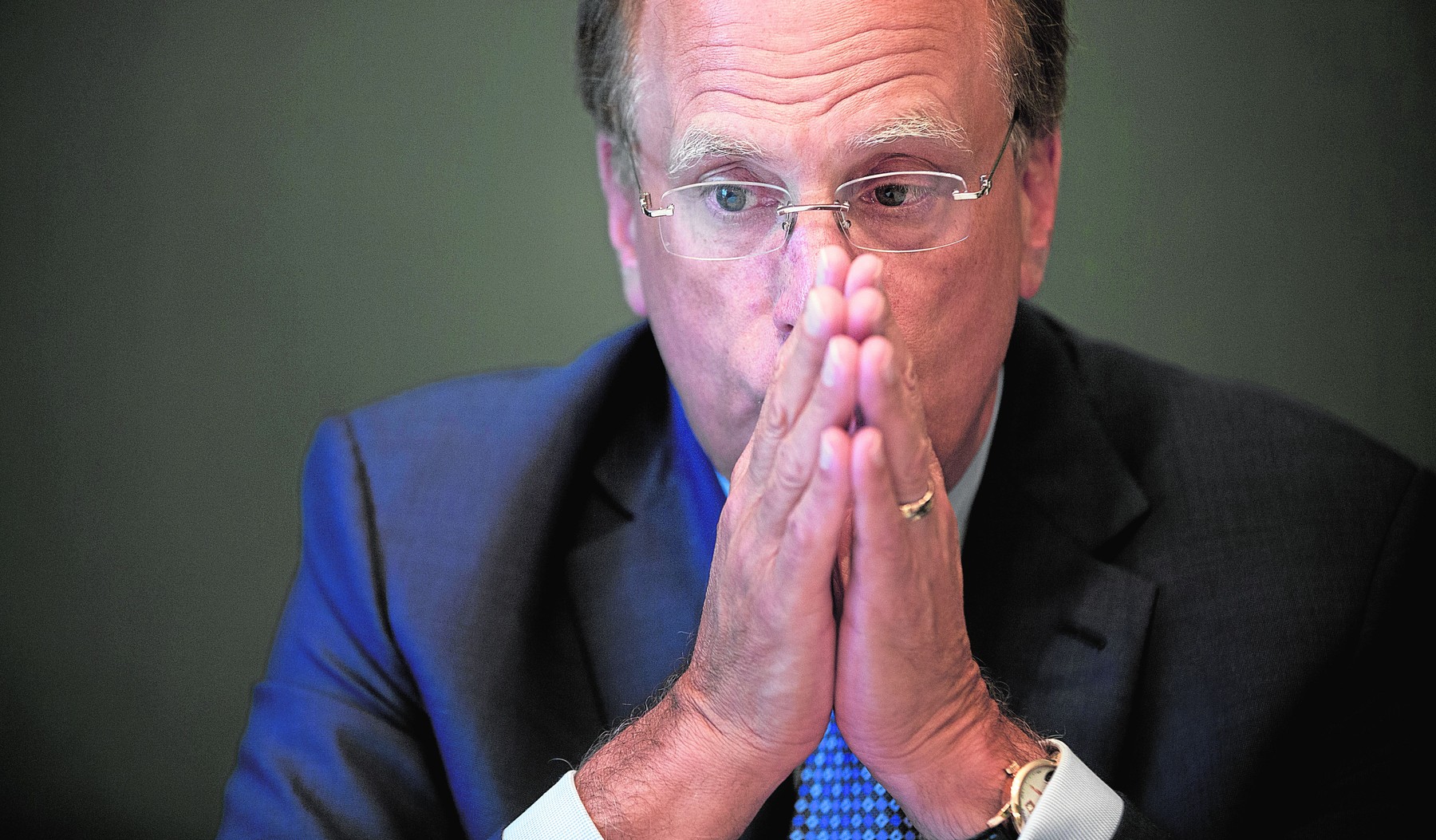
If the price of oil reaches $150 per barrel, this will trigger a global recession, the head of the American financial giant BlackRock told the BBC.
Larry Fink, who runs the world's largest asset manager, said if Iran “remains a threat” and oil prices remain high, it will have “profound implications” for the world economy.
BlackRock is a financial colossus, controlling $14 trillion in assets, and is one of the largest investors in many of the world's largest companies.
The BBC points out that BlackRock's size and influence gives Fink, one of eight founders of the company founded in 1988, a unique perspective on the state of the global economy.
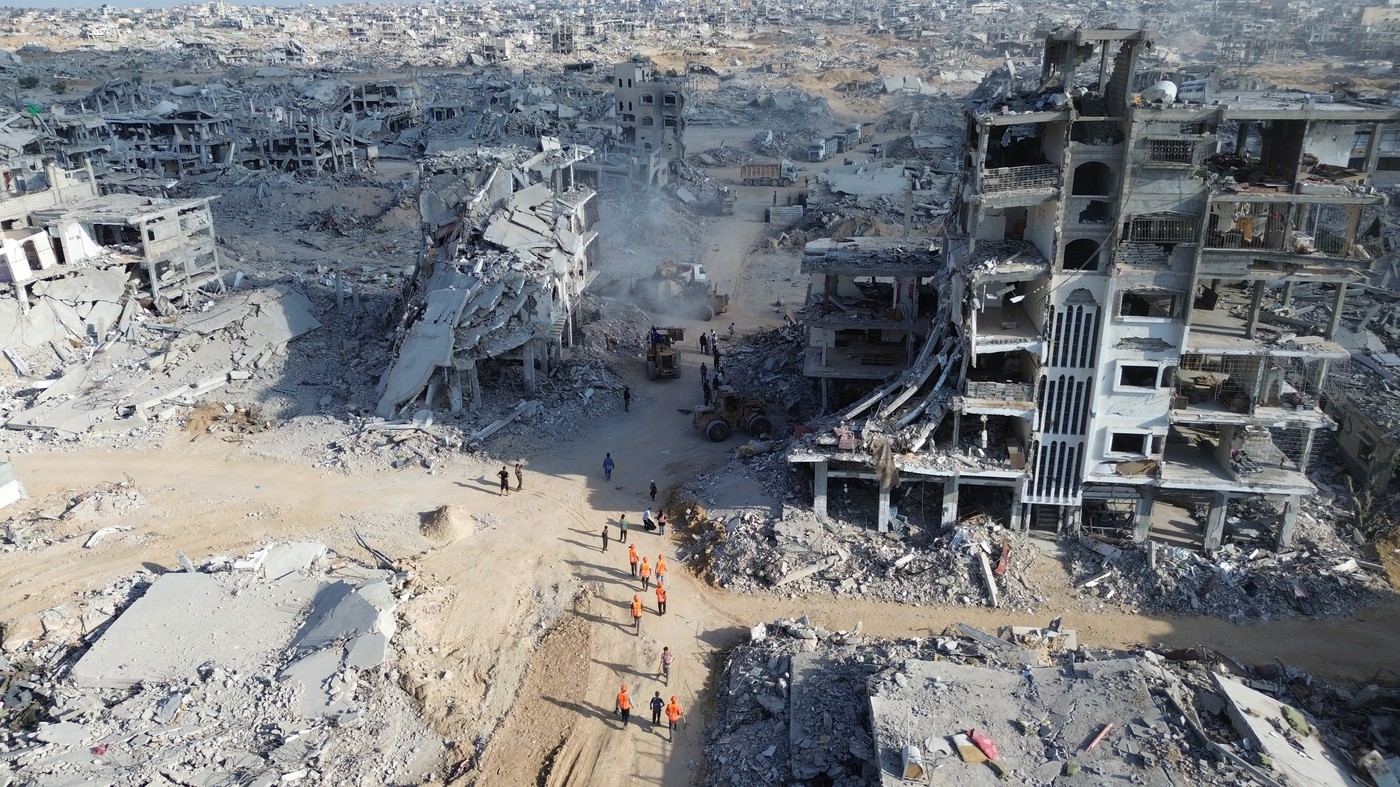
The conflict in the Middle East has triggered sharp swings in financial markets as investors try to gauge what will happen to energy costs.
Recession at $150 a barrel of oil, warns the head of BlackRock
Fink says it's too early to determine the final scale and outcome of the conflict, but he believes it will follow one of two extreme scenarios.
If the conflict is resolved and Iran becomes a country accepted by the international community again, then the price of oil could fall below its pre-war level.
But if that doesn't happen, Fink says there could be years of “oil above $100, closer to $150 [per baril]”, which will have profound implications for the economy and would likely lead to “a severe and steep recession”.
Fink says that countries need to be pragmatic about their energy mix, using all available sources, and that providing cheap energy is essential to boosting economic growth and raising living standards.
“Rising energy prices is a hugely regressive tax. It hits the poor more than the rich.”
Countries should not depend on a single source, he stressed. “Definitely use what you have, but at the same time aggressively move toward alternative sources,” encouraged Fink, 73.
Larry Fink, however, says there is “no resemblance” to the 2007-2008 crisis
Some analysts have suggested that there are currently some echoes of the period leading up to the 2007–2008 financial crisis in the markets.
Energy prices are rising rapidly, and some have signaled signs of cracks in the financial system. Even BlackRock is among the companies that have limited investor withdrawals from private credit funds.
But Fink is adamant that there is no chance of a repeat of the financial trauma of 2007-2008, when several banks around the world collapsed or had to be bailed out. The head of BlackRock points out that today's financial institutions are more robust.
“I don't see any resemblance. Zero,” he told the BBC.
Fink added that the problems affecting some mutual funds represent only a small fraction of the overall market and that institutional investments remain strong.