The US intervention in Iran, harshly criticized by the general whom Trump made head of the Pentagon in his first term: “We are in a difficult situation”

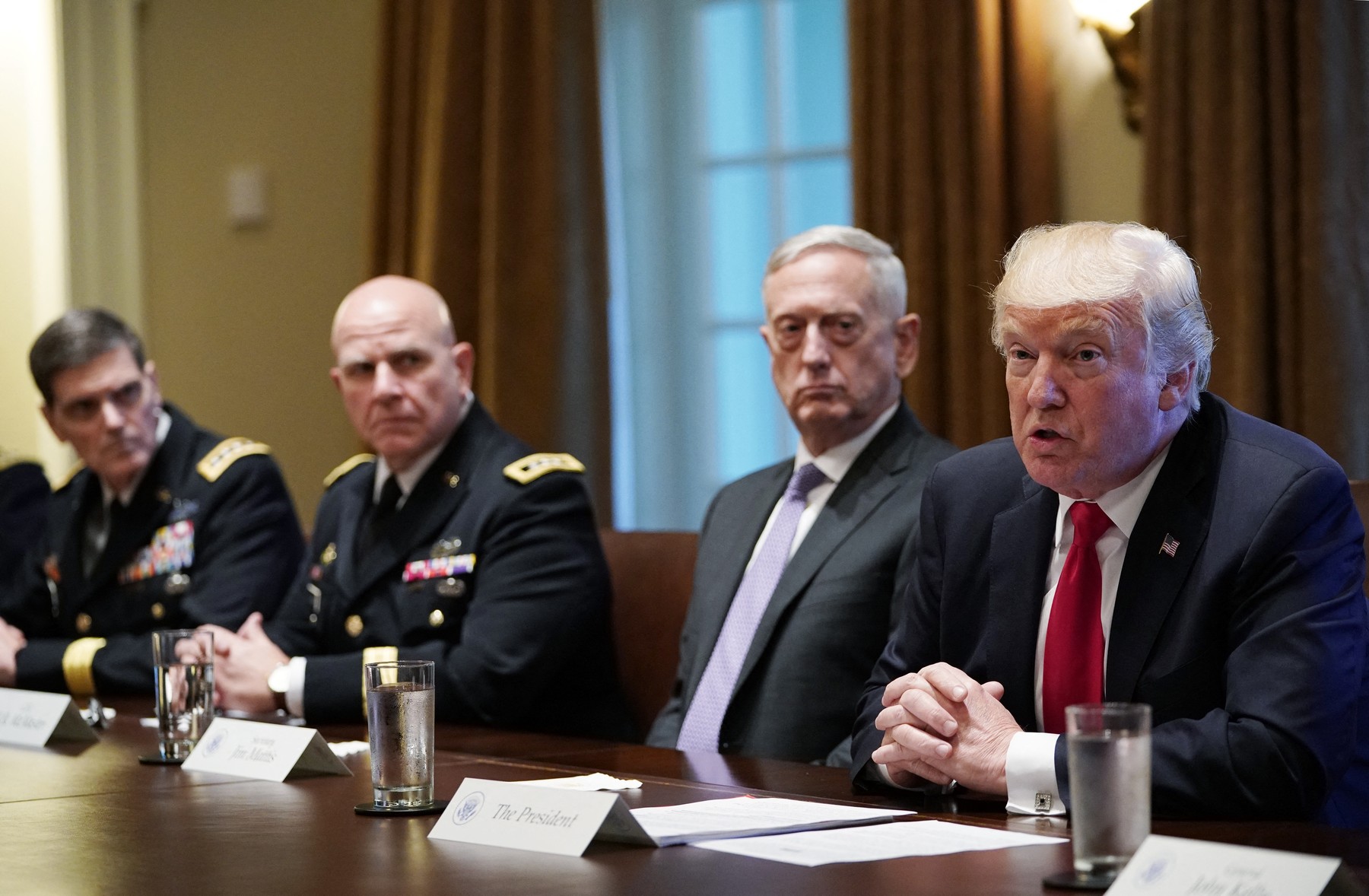
James Mattis, the former US secretary of defense during President Donald Trump's first term, offered a grim assessment of the situation in the Strait of Hormuz, criticizing the new White House administration for what the retired general says has been a failure to think strategically about Iran, reports Axios.
“Ladies and gentlemen, we are in a difficult situation and I can't identify many good options,” the former US Marine general told the CERAWeek energy conference in Houston.
This year's edition has been marked by uncertainty over the future of a conflict that has caused historic disruptions to oil and gas supplies. Several oil industry executives who took the stage directly contradicted Chris Wright, the US energy secretary, who tried to reassure that the energy crisis caused by the war that began on February 28 is not that serious.
As for Mattis, he said that if President Trump declares victory and withdraws US military forces, Iran “would now say they own the Strait.”
“I think we could see a tax on any ship crossing the strait, something that is completely unsustainable in the international market,” the retired general continued.
Mattis says protecting transit through the Strait of Hormuz would be difficult even against a weakened Iran
He pointed out that the overall strategic goals of the US and Israel towards Iran remain “unclear”.
“The Americans are fighting a clearly limited war, and what we're seeing is a situation where the use of attack aircraft can never compensate for the lack of a strategy,” James Mattis said.
Mattis also explained why protecting ships that want to pass through the Strait of Hormuz would represent a major challenge, which would not cover significant vulnerabilities anyway. In this regard, he said that even a weakened Iran retains the ability to attack ships from the coast, on a vast stretch of coastline throughout the region.
“If you look at the Texas Gulf Coast, it's about 590 kilometers, which gives you an idea of how difficult it will be for the US Navy to protect ships on this shipping route: 965 kilometers along the Gulf, 160 kilometers through the straits and then offshore,” Mattis said.
“And they have anti-ship cruise missiles that can be launched from the back of a truck and can reach 100 miles. That's the problem,” the American general said.
General says US needs strategic assessment of Iran war and Middle East situation
Mattis, a veteran of the wars in the Gulf, Afghanistan and Iran, was the first Pentagon chief appointed by Trump after he won the 2016 presidential election. He resigned in December 2018 due to disagreements with the Republican president. Trump criticized him in harsh terms afterwards.
Suzanne Maloney, vice president for foreign policy at the Brookings Institution think tank, said in turn at the CERAWeek conference that the US goal of overthrowing Iranian leaders and achieving regime change in Tehran has proven extremely difficult to achieve.
“Anyone who knows Iranians and the country knows that there is tremendous hope and optimism for Iran, but unfortunately this regime has proven very effective at surviving,” said Maloney, who participated in an audience discussion with Mattis.
Both said that addressing the energy crisis will require the US to work with allies.
“The bottom line is that no country can solve the current problem of losing energy supplies on its own,” Mattis said.
“So if we start from this strategic assessment of the situation, one can see the role of the allies, either militarily or through economic sanctions, to do some of the things that would force Iran to sit down at the negotiating table,” he pointed out.