For over three weeks, the United States, led by Donald Trump, has been at war with Iran. There is no end to the conflict in sight. Over the weekend, Israel announced an expansion of the scale of attacks.
According to media reports, together with the United States, he bombed the Iranian nuclear power plant in Natanz. The Israeli government denies involvement in the US attack.
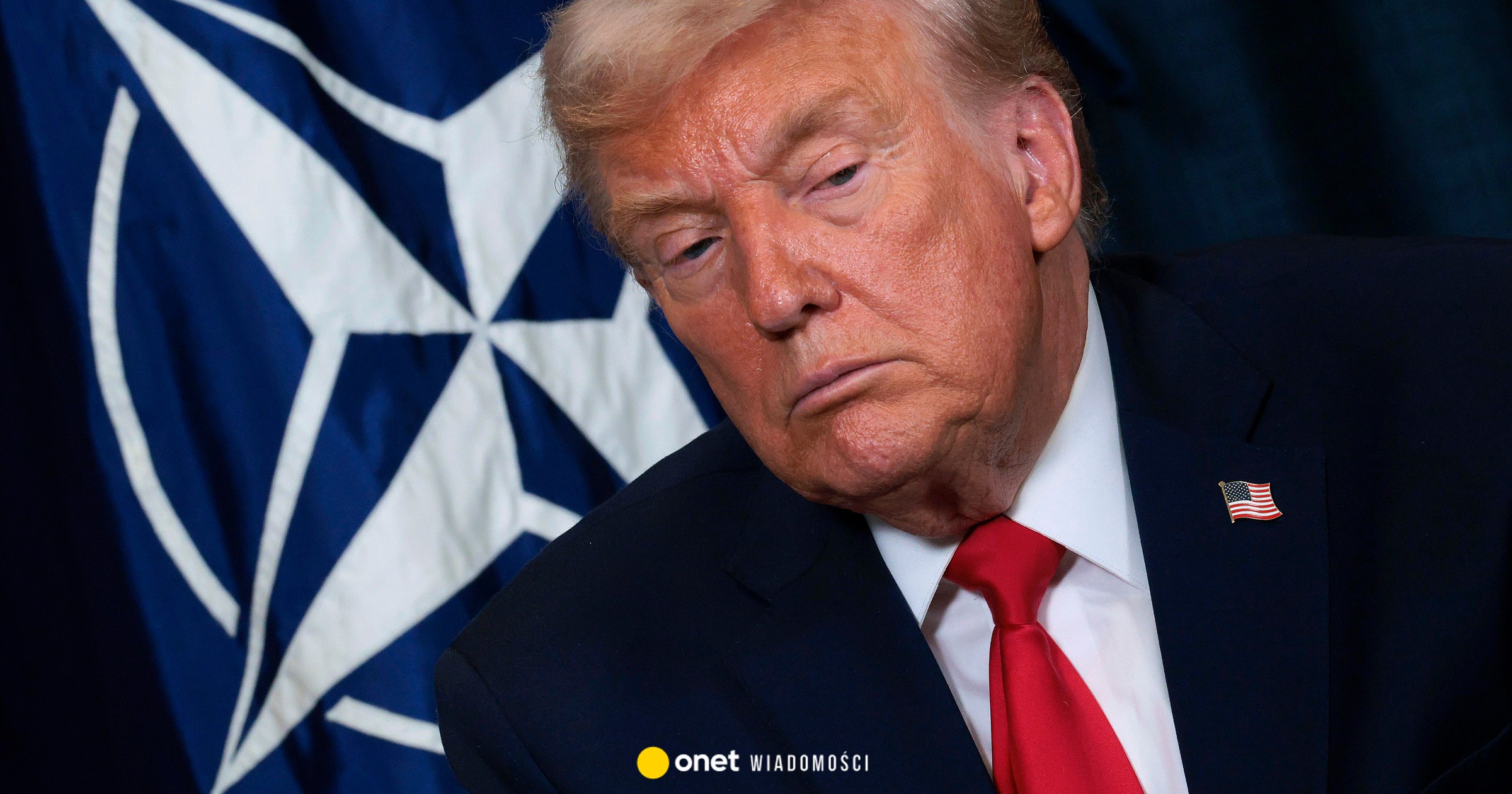
There is also conflict between Western countries. According to Lange, during the NATO summit in The Hague in June 2025, Europeans managed to placate Trump. Now his fury over Europe's passivity in the face of the US war with Iran is intensifying.
According to the expert, NATO is on the threshold of a dangerous confrontation, and the painstakingly built relations between the US and Europe may now be threatened by the “very harsh tone of public statements.”
As Lange says, the strategic dilemma for Western countries is that Trump remains necessary to support Ukraine and the security of Europe. On the other hand, Europe must clearly articulate its opposition to actions such as the attempted annexation of Greenland and the ill-considered war with Iran.
Former Latvian Defense Minister Artis Pabriks speaks in a similar vein. — NATO is in crisis because transatlantic trust is disappearing, says Pabriks.
What is particularly disturbing for the former official is that Western opponents are closely monitoring the U.S. conflict with the rest of its allies and noticing the weakness of the alliance.
NATO “will not fall apart,” says the former Latvian defense minister. However, it may change fundamentally: there will be stronger regionalization and weakening trust between partners.
Pabriks expects that within NATO there may be “coalitions of the willing” – that is, groups of countries that will cooperate more closely and with greater determination than others.
Trump: NATO is a “paper tiger” without the US
Tehran, meanwhile, continues to conduct retaliatory operations. It fired two medium-range ballistic missiles at the American base “Diego Garcia” south of the Maldives – approximately 4,000 km from Iran. Experts are surprised by the new capabilities of the Iranian arsenal.
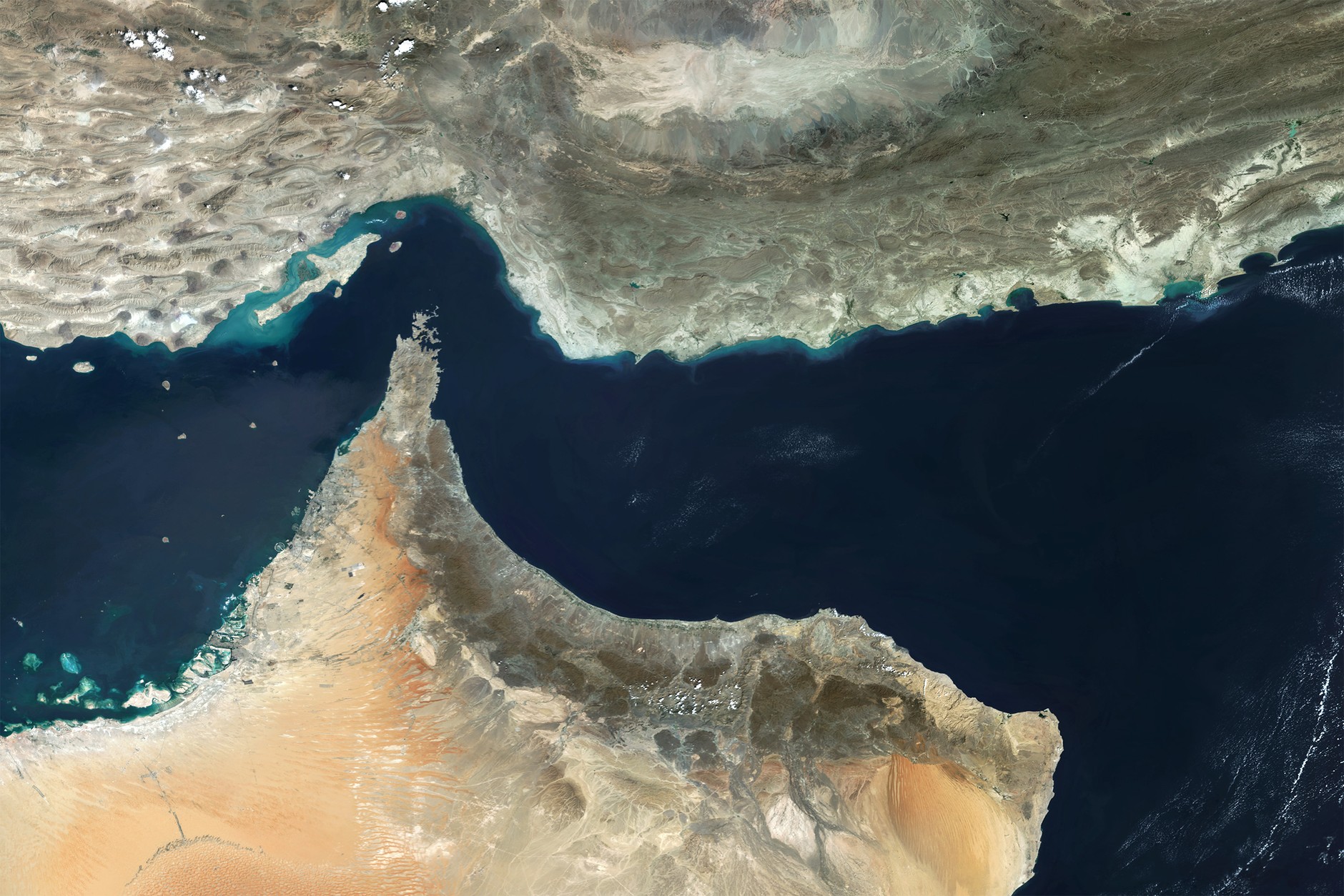
Iran also carries out attacks close to its land borders. Since the beginning of the fighting, the Strait of Hormuz has been almost completely blocked to ship traffic as ships are hit by missiles and drones. Moreover, a key transport route is being mined by the Iranians.
Satellite image of the Strait of HormuzGallo Images/Orbital Horizon/Copernicus Sentinel Data 2025 / Contributor / Getty Images
The article continues below the video
Donald Trump calls on NATO to unblock a transport route that is crucial for global trade. He also gave an ultimatum to Iran: if Tehran does not give up attacks on passing ships, the US will carry out an operation aimed at destroying Iranian power plants. Further escalation of the conflict is in the air.
European countries refuse to engage directly in attacks on Iran. “The war in the Middle East is not a NATO matter,” said German Chancellor Friedrich Merz. According to US Senator Lindsey Graham, this attitude from Europe is exactly what made Donald Trump “angrier than ever” in his life.
On Friday, March 20, the US president finally exploded. He said that NATO is a “paper tiger without the USA.” He accused the other 31 member states of the alliance of “not wanting to help open the Strait of Hormuz.” Allies are “cowards and we will remember it!” Trump said. This threat is perceived by some commentators as a weakening of Art. 5, i.e. the obligation for NATO to provide support in the event of an attack on one of the members of the North Atlantic Alliance.
I’m Ashley Davis as an editor, I’m committed to upholding the highest standards of integrity and accuracy in every piece we publish. My work is driven by curiosity, a passion for truth, and a belief that journalism plays a crucial role in shaping public discourse. I strive to tell stories that not only inform but also inspire action and conversation.