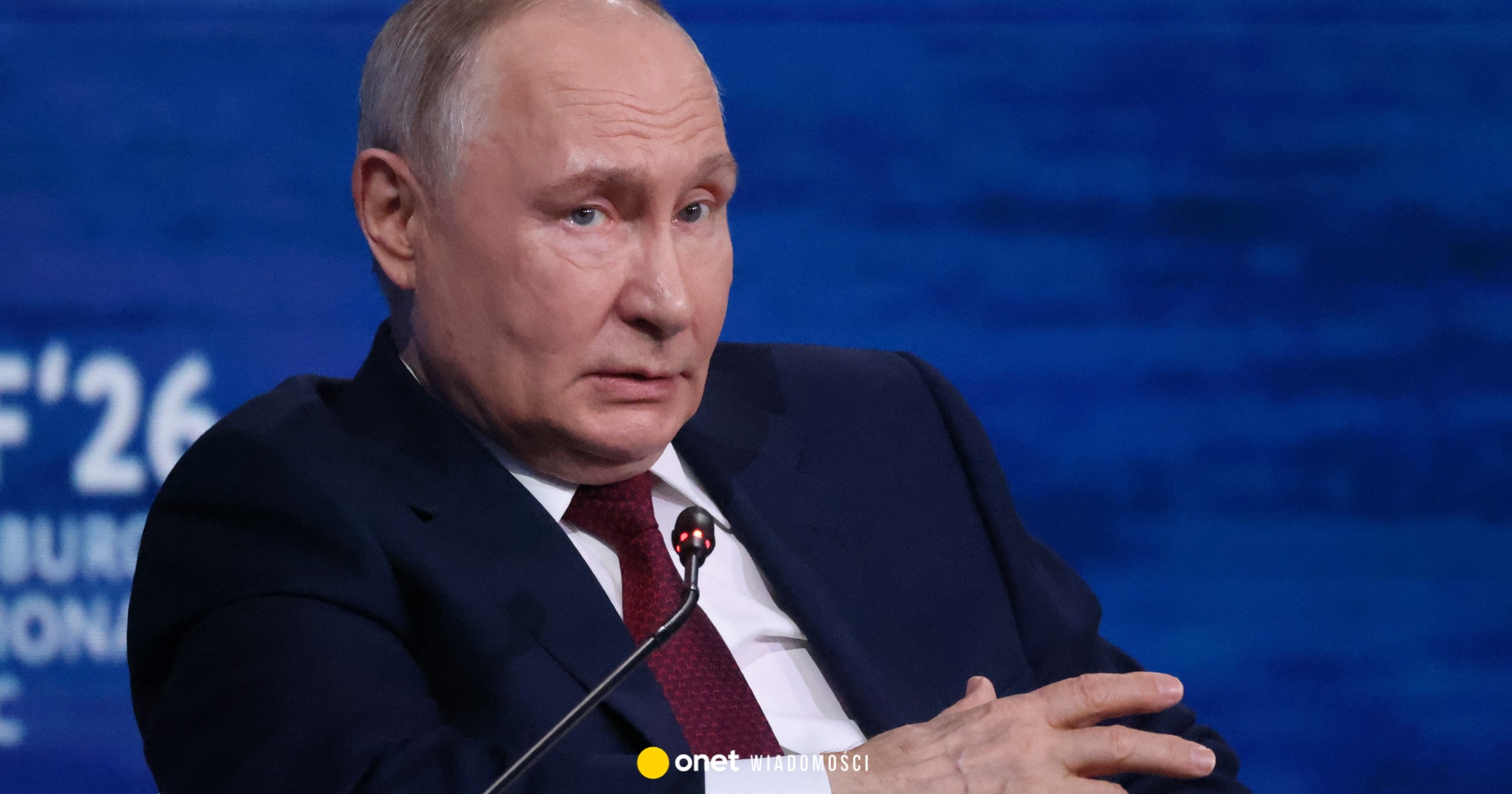
This is not just “Putin's war”. Hollywood persistently whitewashes Russians

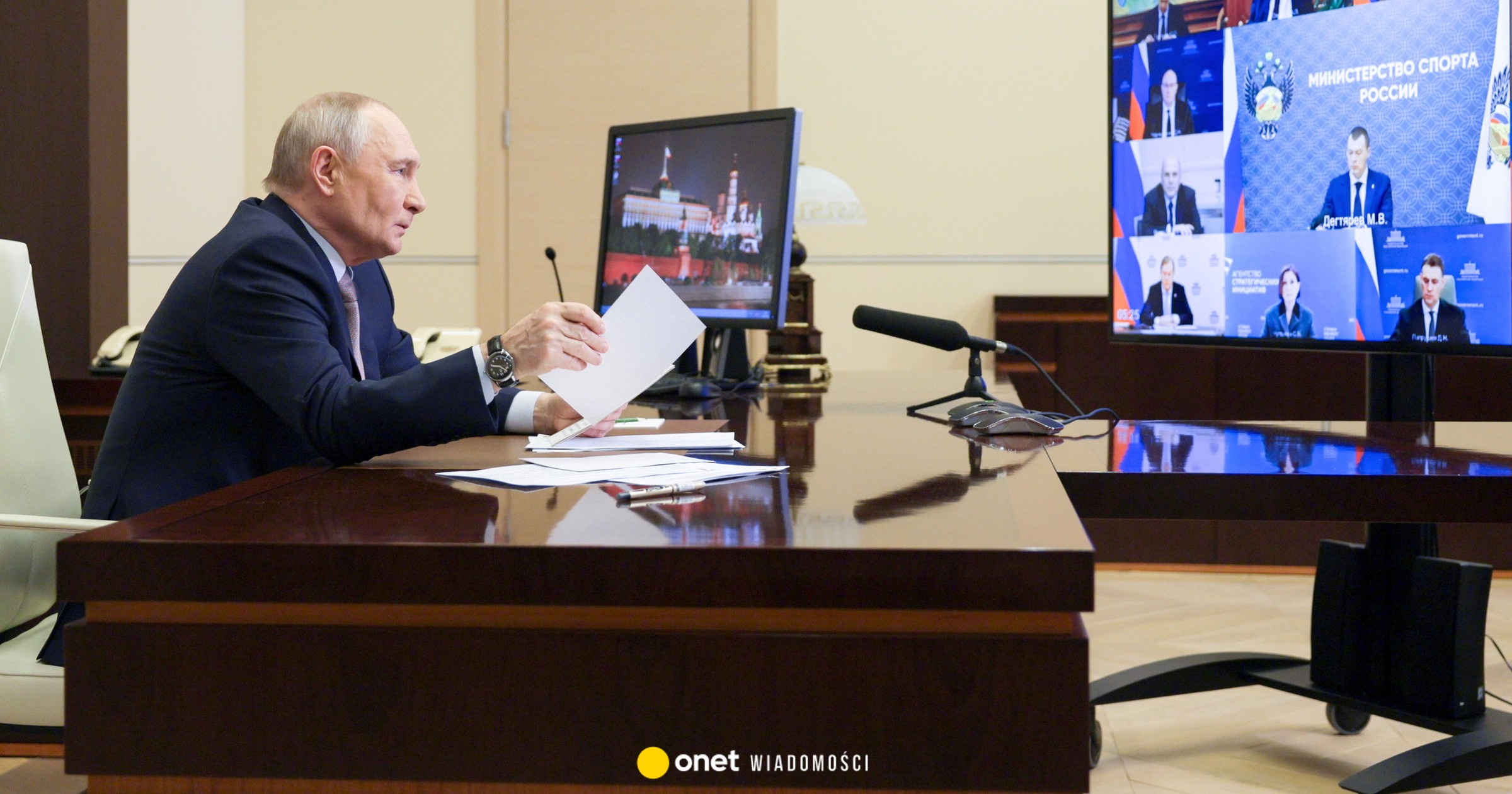
Many people think that it is enough to overthrow the dictator and the problem will disappear.
More than two years after the outbreak of the largest war in Europe since World War II this belief remains surprisingly persistent. In Western media, political debate and pop culture, Russia is still often portrayed as a society whose tragedy consists in being a hostage of one authoritarian leader.
And that's where the problem lies.
For years, Ukraine and its supporters have been trying to explain to Western audiences that Russia's war against Ukraine is no exception in Russia's imperialist history nor a campaign conducted against the will of the majority of Russian society.
However, the results of these efforts are mixed. While many politicians in the West have begun to understand that This is not simply “Putin's war” — as analysts like Chatham House's Keir Giles have pointed out in conversations I've had — many others still don't see it.
Hollywood is misleading viewers
Unfortunately, this also applies to Hollywood. Since 2023, the Academy has awarded Oscars to several films that perpetuate the image of Russia as a country defined primarily by domestic resistance to authoritarianism.
This year, Chernov's new documentary “2000 meters to Andriivka”, showing Ukrainian soldiers during the counteroffensive in 2023, when they fought to retake the village of Andriivka in eastern Ukraine, did not even make it to the so-called short list of candidates.
However, the problem is not the sheer number of awards. It's about the broader message the film industry sends to the public. The Oscars Gala attracts almost 20 million viewers around the world and for many people it has a much greater impact than the speeches of politicians or human rights activists.
And the message viewers get once again is that Russia's war is not really Russia's war. This is the work of one sinister leader. Ukraine is simply a victim – it's unfortunate, of course, but nothing more.
Russia in a positive light
In the film, Trofimova travels through Russian-occupied areas of Ukraine and portrays Russian soldiers in a positive light, largely overlooking the destruction and war crimes committed by Russian forces. The documentary was shown at the Venice and Toronto film festivals. The Security Service of Ukraine initiated criminal proceedings against Trofimova.
Putin, the truest Russian
All this does not mean that Russian culture should be completely rejected. Navalny was a genuine opponent of Putin and, despite his own limitations, represented a much better political alternative for Russia and its neighbors. “Mr. Nobody vs. Putin” also allows you to see how the Russian state indoctrinates its own children. Surely there are also Russians who do not support the regime or the waralthough it is difficult to estimate their percentage precisely.
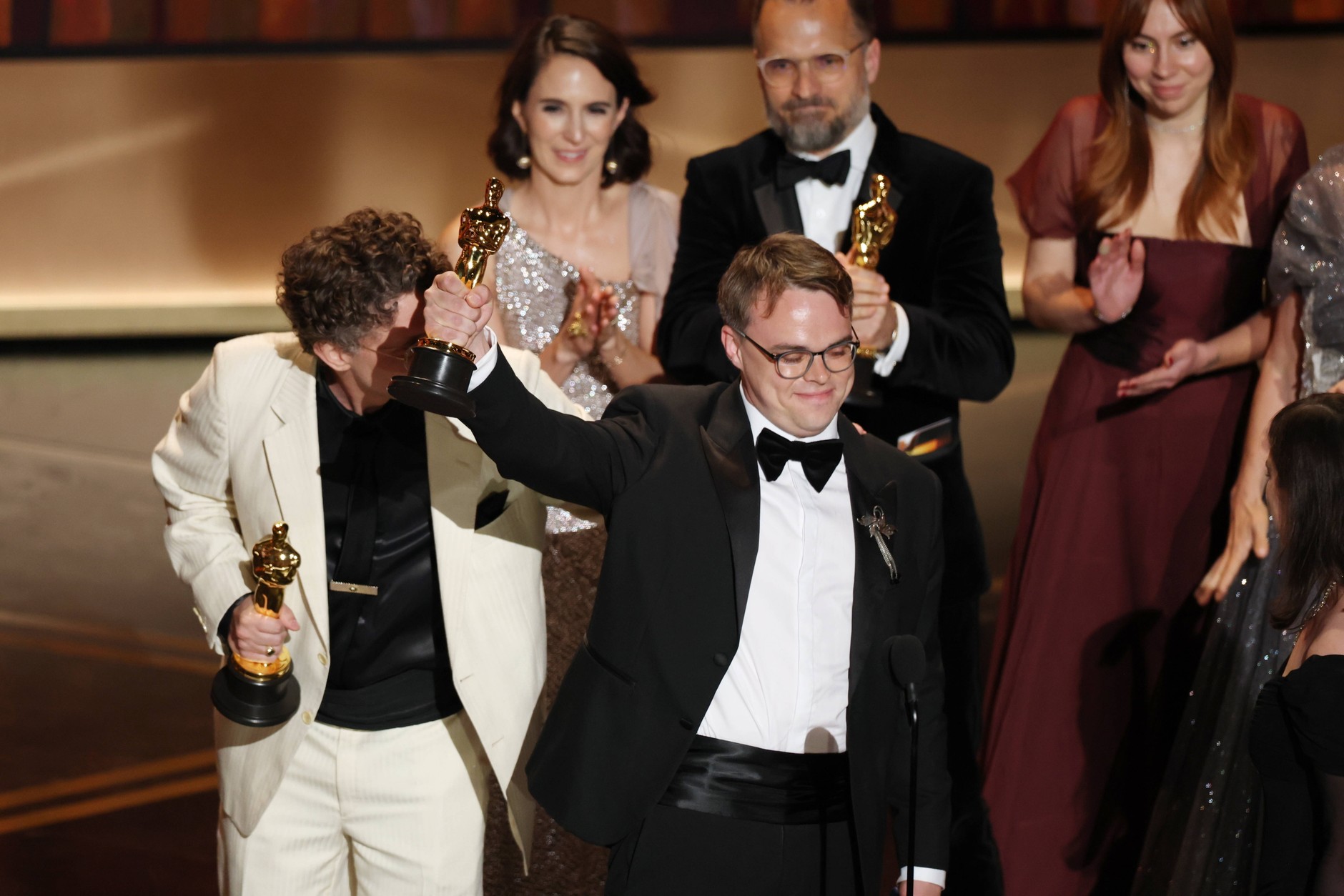
The creators of the film “Mr. Nobody vs. Putin” receive an Oscar for the best feature-length documentary film. Los Angeles, March 15, 2026PAP/EPA/CHRIS TORRES / PAP
Nevertheless, we must move away from the narrative that Russia's war against Ukraine is a historical exception imposed by a tyrant. Russia's war against Ukraine is no exception. Since the fall of the Soviet Union in 1991, Russia has used military force in the post-Soviet area at least six times:
- 1992 – war in Transnistria: Russian troops intervened in Moldova, helping to create the separatist region of Transnistria.
- 1994–1996 — first Chechen war: Russia tried to suppress Chechnya's independence.
- 1999–2009 — Third Chechen War: Moscow re-conquered Chechnya after renewed invasion.
- 2008 — war with Georgia: Russia attacked Georgia after fighting in South Ossetia and then recognized the separatist regions of South Ossetia and Abkhazia.
- 2014 — Crimea and Donbas: Russian troops occupied Crimea and started a war in eastern Ukraine.
- 2022–present — full-scale invasion of Ukraine: Russia started the biggest war in Europe since World War II.
Even Navalny's close ally, Alexei Yakovlev, told me last year that it was naive to claim that “Putin is a vile tyrant who has simply taken our country hostage.” On the contrary. Putin is not a foreign force imposed on Russia. He is, as Yakovlev admitted, the truest Russian.