Former US counterterrorism chief breaks silence on Iran war: 'Critical voices were not allowed to reach the president'


In a tense interview with Tucker Carlson, former top counterterrorism official Joe Kent made serious allegations about how the United States got involved in the conflict with Iran — claiming the decision was influenced by misinformation and outside pressure.
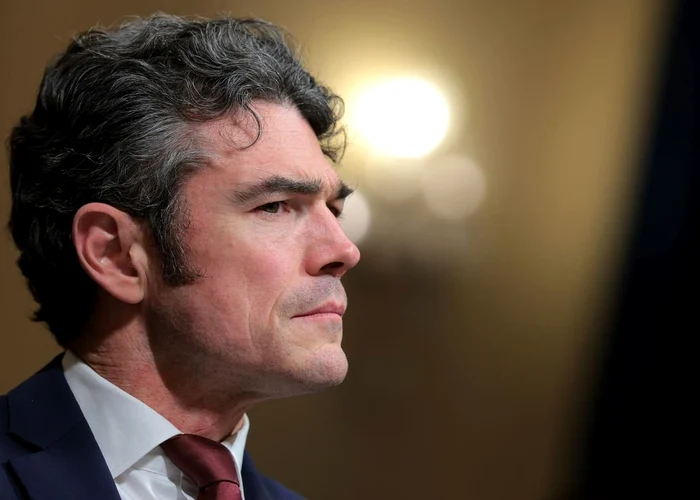
Joe Kent, former head of US counterterrorism/PHOTO:X
Former director of the National Counterterrorism Center, Kent says Iran was not an imminent threat and the outbreak of war was hastened by information provided by Israel, which he considers “flawed.” In his opinion, the American president should have continued negotiations with Tehran, not entered into a military escalation.
“There was no real debate. Critical voices were not allowed to reach the president”
“There was no real debate. Critical voices were not allowed to reach the president”Kent said, suggesting that the decision was basically made in advance.
Moreover, he argues that the administration should have created a discreet channel of communication with Iran and let Israel act on its own. In a statement with harsh undertones, Kent says Washington might even have sent a strong message to allies: Any unilateral action would have consequences in the bilateral relationship.
The former official goes further and challenges the credibility of statements coming from Israeli leaders, suggesting that they do not always reflect reality. In the same context, he noted the frequent presence at the White House of Israeli Prime Minister Benjamin Netanyahu, in contrast to the limited access of other American officials, including Tulsi Gabbard.
Kent argues that dissenting opinions within the administration were virtually silenced and strategic direction was imposed without real consultation.
In a warning that raises new questions, he says the successor to Iranian Supreme Leader Ali Khamenei could be “much more radical”, suggesting that the former ayatollah has paradoxically acted as a temper on Iran's nuclear ambitions.
His criticism is aimed squarely at the decision to escalate the conflict, which he sees as a major strategic error. Kent takes up the idea that the United States was not under direct threat, and suggests that the intervention was essentially done in Israel's interests — including statements from Secretary of State Marco Rubio.
“Who decides America's foreign policy? Who decides when we go to war?”
“Who decides America's foreign policy? Who decides when we go to war?” the former official asks rhetorically, questioning real control over major decisions.
In the same vein, Kent points out that while the alliance with Israel remains important, the United States should set clear limits on the use of military support provided. Without them, he says, partners can act unconstrained, forcing Washington to react.
His resignation, described as “inevitable”, comes amid frustration that he could no longer influence high-level decisions. A veteran of the Iraq War, Kent speaks openly about the human costs of conflict and the danger of repeating strategic mistakes.
He is asking Trump to return to the policy doctrine promoted on the campaign trail — avoiding new wars and reducing involvement in the Middle East.
The US risks sliding into “decline and chaos” if it doesn't change course
In his resignation letter, Kent alleges a clear disconnect between the administration's initial promises and current actions, warning that the US risks sliding into “decline and chaos” if it does not change course.
The president's reaction was not long in coming. Donald Trump dismissed the criticism, calling Kent's departure “a good thing” and suggesting he had been “too weak” on security.
Behind the scenes, however, the resignation reveals an increasingly visible rift within the Republican camp. On one side is the “America First” wing, represented by figures like JD Vance and Tulsi Gabbard, who advocate non-interventionism. On the other side – hard-line Republicans, favoring an aggressive line towards Iran and unconditional support for Israel.
The conflict in the Middle East continues to expand, with consequences already visible: the closure of the Strait of Hormuz, rising fuel prices and human losses in several states in the region.
The resignation of Joe Kent thus becomes more than an individual gesture – it is an alarm signal regarding the direction of American foreign policy and the internal tensions that shape it, notes the Daily Mail.