China is closely watching the conflict between the United States and Iran, analyzing developments to draw lessons that could be relevant in possible future confrontations, Bloomberg reports, citing Western officials.
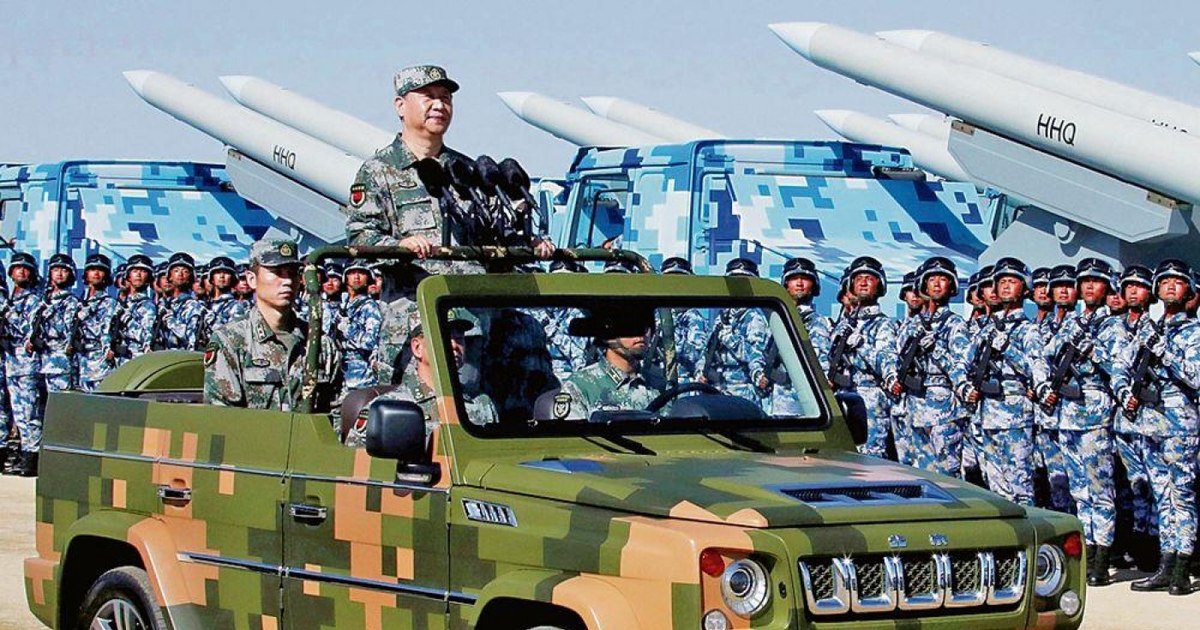
The President of China, Xi Jinping/PHOTO: Profimedia
According to them, Beijing is studying US offensive capabilities in particular while assessing the wider implications of the conflict. At the same time, the Chinese leadership believes that the strategic balance in the Indo-Pacific region could tilt in its favor.
Strategic opportunities for Beijing
Although Chinese authorities continue to analyze the economic and diplomatic impact of the war, President Xi Jinping may see redirecting American attention and resources to the Middle East as a strategic advantage.
Western officials indicate that the redeployment of some US military capabilities from Asia to the conflict zone could temporarily reduce the US presence in the Indo-Pacific — a development closely watched by the Chinese military.
Cautious reactions, but ongoing calculations
Unlike other leaders of major economies, Xi Jinping has not publicly commented on the US military operation, a sign that Beijing prefers a reserved position for now while it assesses the consequences.
Iran remains an important partner for China, and developments in the region have direct implications for its energy and geopolitical interests.
Parallels with Taiwan
Some Chinese analysts have already drawn parallels between the conflict in Iran and a potential crisis over Taiwan.
Influential commentators have suggested that the war highlights the limits of US military capabilities, particularly as Iran was already weakened by sanctions.
However, while China has repeatedly said it does not rule out using force to take control of Taiwan, there are no clear indications of imminent action.
Impact on US allies
In Asia, Washington's allies are watching developments closely. Sources cited by Bloomberg say some states are on high alert as the Pentagon redirects resources to the Middle East.
Among the measures are the transfer of troops and equipment from Japan, as well as the possible relocation of some air defense systems from South Korea.
Costs and pressures on resources
Western officials point out that the high tempo of operations has led to the rapid consumption of expensive and difficult-to-replace American munitions.
In some cases, sophisticated defense systems have been used to counter relatively inexpensive threats such as Iranian drones, raising questions about the long-term sustainability of such a strategy.
Cost estimates vary, but point to billions of dollars spent in the first days of the conflict.
Signals of a shift in balance
For some Chinese observers, the redeployment of US military resources could indicate vulnerabilities in the West's ability to project force in China's vicinity.
Although it is too early for definitive conclusions, the conflict in Iran is being analyzed in Beijing not only as a regional crisis, but as a possible indicator of the evolution of the global balance of power.