A Nordic country is the happiest in the world for the ninth consecutive year. What place does Romania occupy in the top?

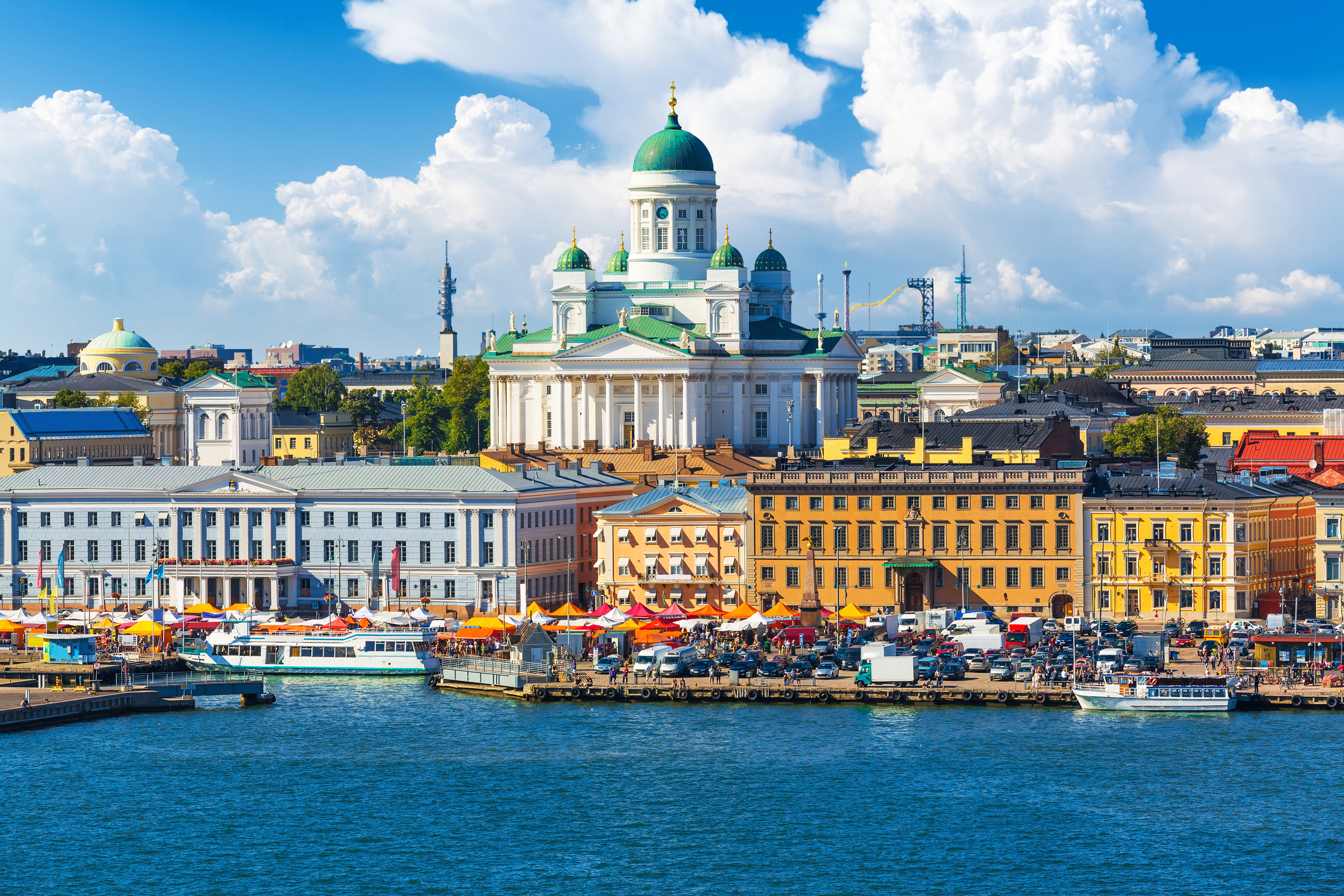
Finland remains the happiest country in the world for the ninth consecutive year, according to the UN's annual report on happiness, while Romania has moved up one place in this top.
The report, published annually around the United Nations' International Day of Happiness, ranks more than 140 countries based on how people rate their own lives.
The data comes mainly from the Gallup World Poll survey, the researchers also analyzing factors such as social support, healthy life expectancy, freedom, generosity and the perception of corruption, notes News.ro.
According to the report, the top three happiest countries in the world are Finland, Iceland and Denmark.
Costa Rica ranks 4th – the highest ever ranking for a Latin American country. Sweden and Norway rank 5th and 6th respectively.
Three other European countries appear in the top 10: the Netherlands in 7th place, Luxembourg in 9th place and Switzerland in 10th place.
Romania climbed one place in the top, compared to the 2025 report, ranking 34 out of 147 countries.
The connection between social networks and the well-being of young people
The link between social media use and well-being is highlighted in this report at a time when many countries are considering imposing restrictions on the use of social media by young people.
“Spectacular declines” in happiness levels were recorded among under-25s in the United States, Canada, Australia and New Zealand, “especially among girls,” the report said.
Conversely, in other regions of the world, an increase in the average level of happiness declared among young people is observed.
“The majority of the world's young people are happier today than they were 20 years ago, and this is a trend that deserves our attention,” Jon Clifton, Gallup's managing director, who contributed to the report, said in a statement.
He points out that the impact of using social networks on well-being is “complex”.
Among the factors that influence this aspect are the time spent on the platforms, the type of platform, the way it is used, as well as demographic factors such as gender and socio-economic status.
“Heavy use is associated with a significantly lower level of well-being, but those who deliberately withdraw from social networks also seem to lose some positive effects,” explained Jan-Emmanuel De Neve, one of the report's authors, professor of economics at Oxford University and director of its Well-Being Research Centre.