Protests over the energy crisis are gaining momentum in Cuba. Cuban government, discreet negotiations with the US

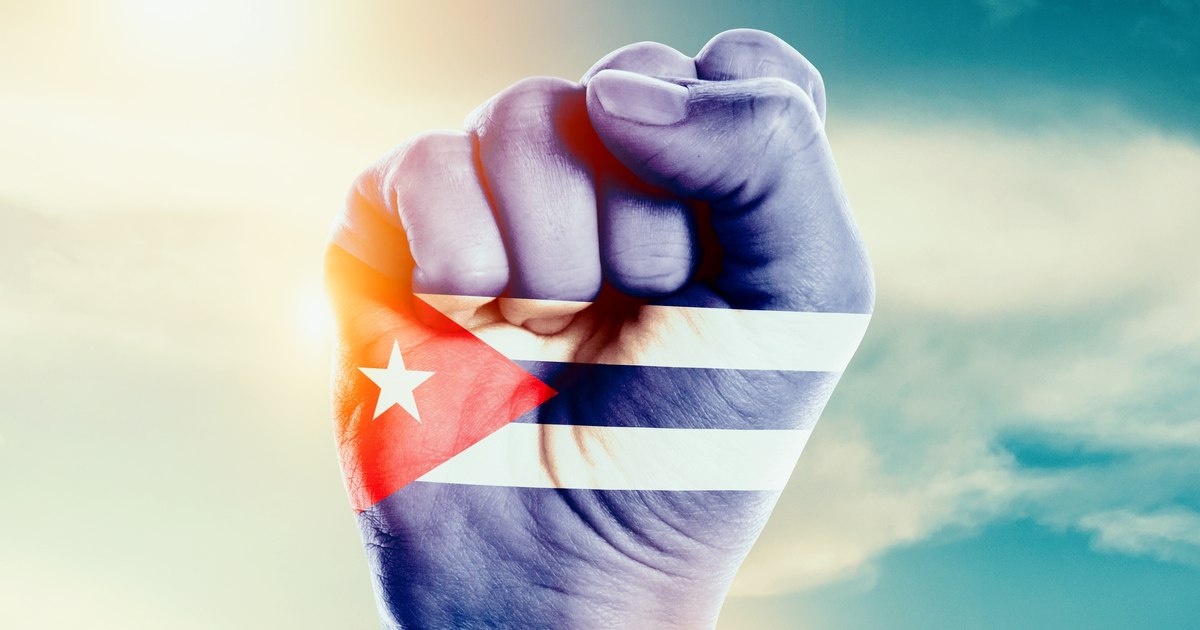
Popular discontent in Cuba is gradually turning into an increasingly visible wave of nightly protests. Protected by the darkness and the frequent power outages that affect the entire island, more and more Cubans are going out their windows or onto the streets to express their anger at the authoritarian regime they hold responsible for the dramatic degradation of living conditions, the Wall Street Journal reports.
shutterstock photo
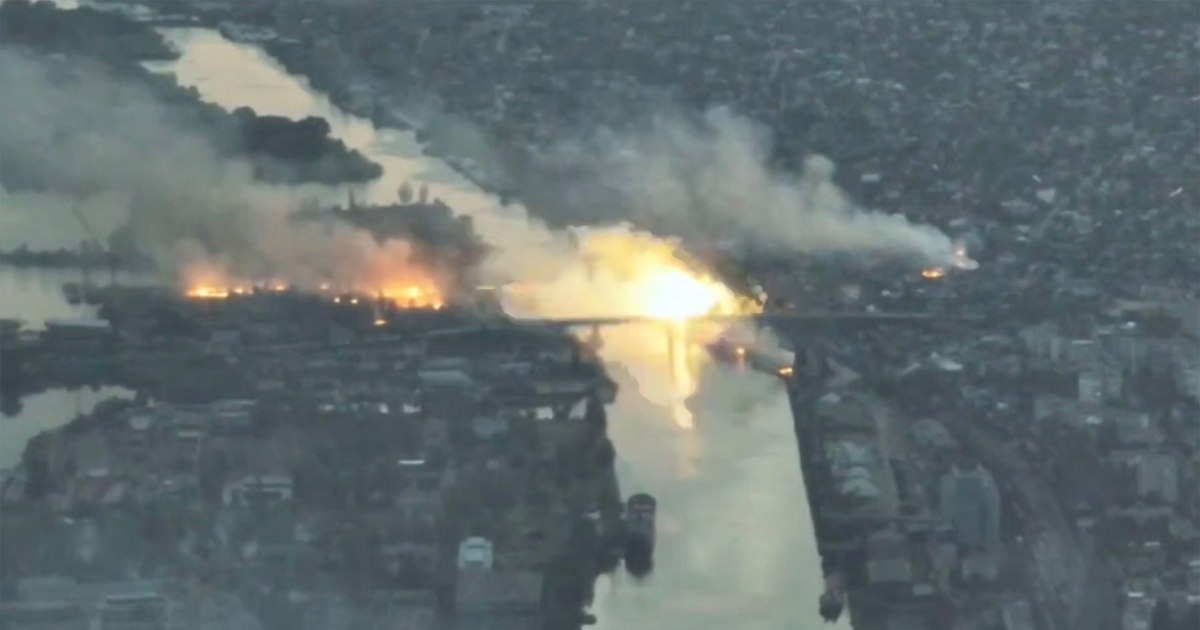
In many cities across the country, Cubans are banging pots and pans – a traditional form of protest in Latin America – but in the city of Morón, near the northeastern coast of Cuba, the demonstrations degenerated into a violent episode. Hundreds of people attacked the local headquarters of the Communist Party, destroying the building and setting fire to the furniture brought out into the street.
According to witnesses and images posted on social media, protesters chanted “Libertad, libertad!” while confronting police forces outside the local precinct. Later, the crowd moved to the offices of the Communist Party, where the anger built up in recent months erupted.
“Freedom, freedom!” the demonstrators shouted, according to video footage and official accounts. Some of them threw stones at the building, while others went up to the second floor and threw documents and pieces of furniture at the windows. The objects were then collected in the street and set on fire. At the time of the protest, the city of Morón – which has approximately 70,000 inhabitants – had been without electricity for almost 30 hours, a fact that amplified the frustration of the population.
Protests protected by darkness
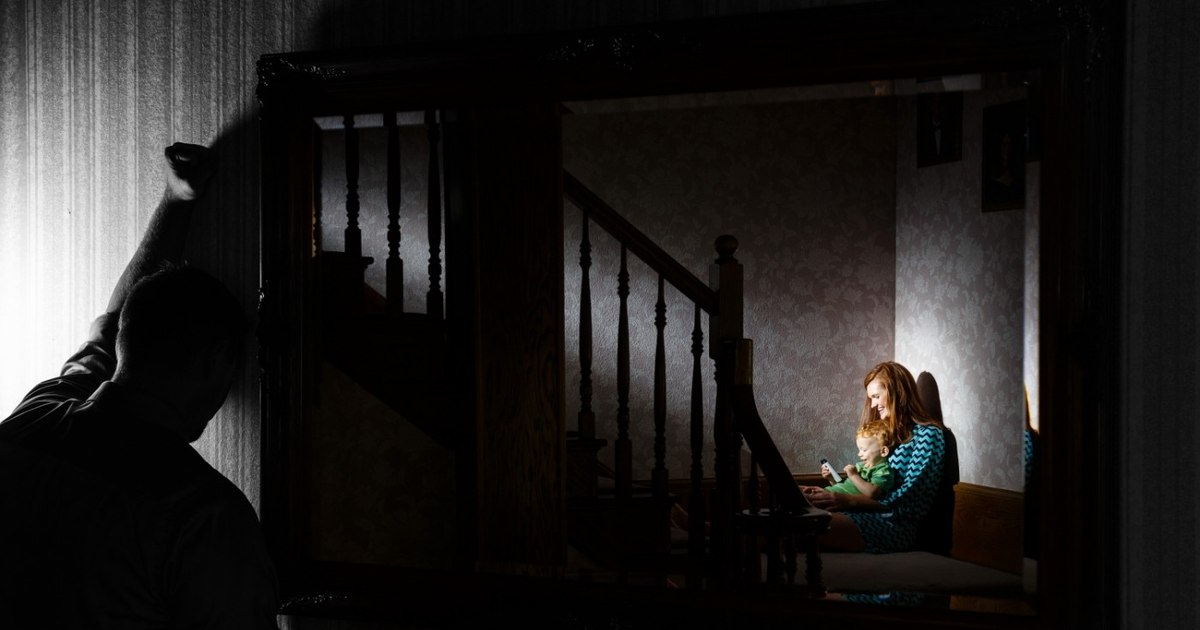
Across the country, nighttime protests are becoming more common. Almost daily power outages plunge cities into darkness, giving protesters some protection in a state where authorities strictly police the population and quickly crack down on any form of dissent.
Cuban President Miguel Díaz-Canel said he understood the discontent of the population, but warned that the violence would not go unpunished. “Complaints and demands are legitimate, as long as they are expressed civilly and with respect for public order,” he said in a televised message.
In Morón, local Communist Party leader Alberto Echemendía later held a “revolutionary reaffirmation” rally outside the devastated headquarters. He attributed the unrest to external pressures. “We are living in complicated times,” he told the regional publication El Invasor, blaming economic sanctions imposed by the United States for worsening the situation.
An economy on the brink of collapse
The social crisis in Cuba is closely related to the economic collapse of the island. The situation worsened after the Trump administration stepped up sanctions and imposed restrictions on oil supplies to Havana, threatening punitive tariffs on countries that ship fuel to Cuba. However, the economic difficulties are not recent. Decades of rigid management of the economy, dominated almost exclusively by the state and with severe restrictions on private initiative, have deeply weakened the Cuban economic system.
The energy crisis intensified dramatically after the fall of the Venezuelan regime led by Nicolás Maduro, one of Havana's main supporters, who supplied cheap oil to the island. Cuba's aging and underfunded power grid began to fail. The result: prolonged blackouts and severe restrictions in almost all areas of daily life.
The government has suspended university classes and drastically cut public transport to save fuel. Tourism – one of the few foreign exchange-generating sectors – collapsed, with airlines suspending flights due to a lack of jet fuel. Hospitals only perform emergency surgeries and farmers face major difficulties in transporting agricultural products to markets.
Discontent grows
In Havana and other major cities, protests by banging pots and pans have become an almost common scene when power outages drag on. In the Nuevo Vedado neighborhood of the capital, but also in cities such as Santiago, people went out their windows on Sunday night to protest loudly. “Now we are all Morón,” freelance journalist Yoani Sánchez wrote on social media, posting images of the protests.
According to the human rights organization Cubalex, the number of demonstrations on the island is increasing: 31 protests were registered in January, 60 in February, and 130 in the first half of March.
US-Cuba relations expert William LeoGrande, a professor at American University in Washington, believes that social tensions are inevitable. “People are extremely frustrated. It is not surprising that there are sporadic disturbances and even riots,” he said. However, the specialist warns that a single incident is not enough to trigger a large-scale movement. “A riot does not make a revolution,” LeoGrande said.
Arrests and negotiations
So far, authorities have arrested five people involved in the incidents in Morón. Analysts estimate that they could be charged with serious crimes such as insurrection, treason or even terrorism – charges frequently used by the authorities to suppress protests. “My guess is that the authorities will impose the harshest penalties possible,” LeoGrande explained.
In parallel with the internal tensions, Havana is trying to negotiate with Washington. President Díaz-Canel recently confirmed that he had preliminary talks with the Trump administration, along with 94-year-old former Cuban leader Raúl Castro. “The talks are at an early stage and we are still far from an agreement,” Díaz-Canel said.
People familiar with the discussions said Castro's nephew, Raúl Guillermo Rodríguez Castro, held talks with US officials, including at a recent meeting on the island of St. Kitts of the Caribbean.
Known as “The Crab” because he was born with an extra finger, the imposing Rodríguez Castro is a lieutenant colonel in the island's Ministry of the Interior, responsible for his grandfather's personal guard. He also has close ties to the Cuban military, which has extensive economic interests, particularly in the island's tourism industry.
In this context, the Cuban government began to release 51 prisoners, including activists and protesters, a gesture interpreted by observers as a signal of goodwill in the negotiations. Authorities are also set to announce details of a possible major reform: allowing members of the Cuban diaspora to invest on the island and own companies or property. Cuban-American businessman Hugo Cancio, founder of the trading platform Katapulk, believes that the policy change could have a major impact: “If all our rights are restored, it will be a historic moment,” he said.