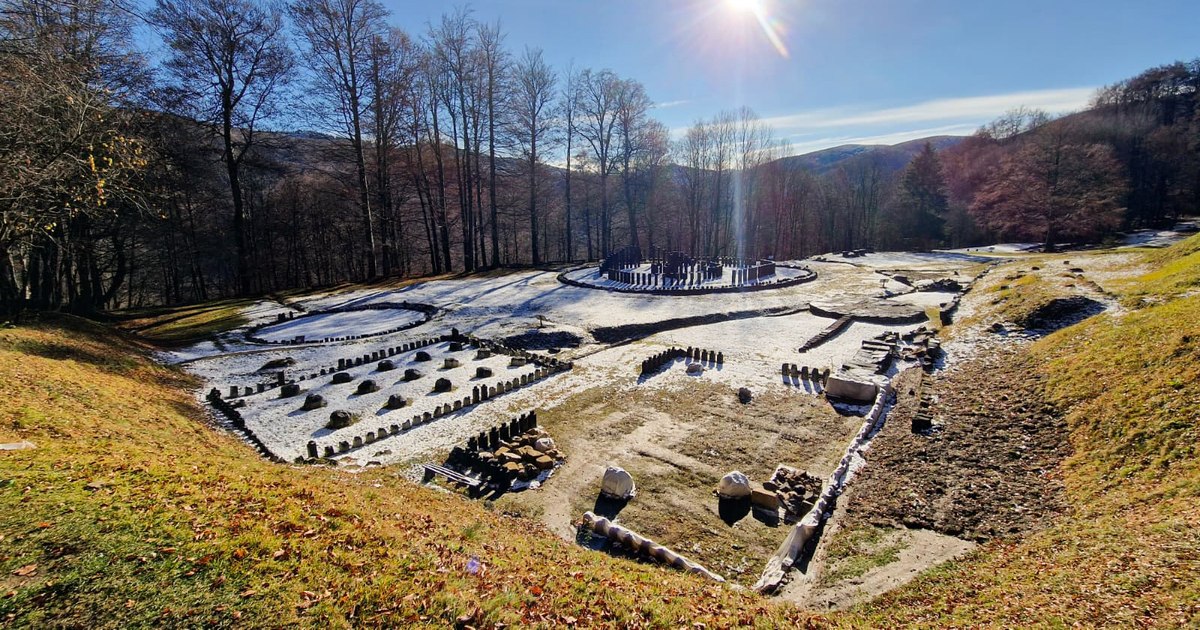
On March 16, 1957, the great sculptor Constantin Brâncusi died. Also on March 16, in 1965, the premiere of the film “Forest of the Hanged”, awarded at Cannes, took place.
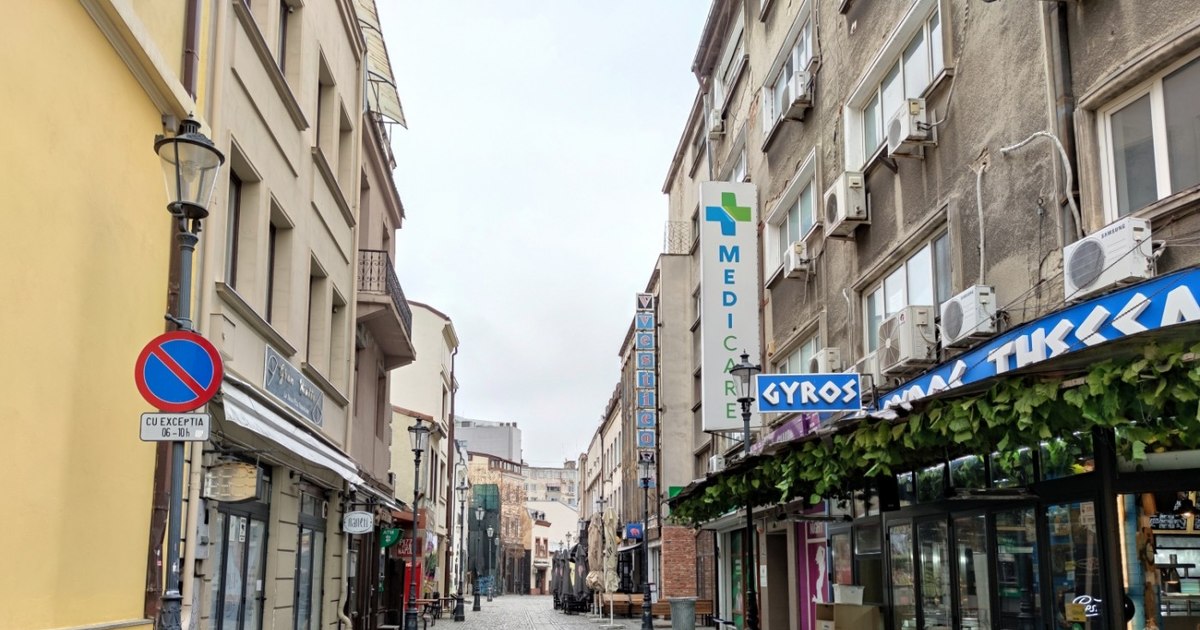
The Old Center of Bucharest, deserted PHOTO The truth / Adrian Pogingeanu
37: Caligula becomes Roman emperor
Caligula was born on August 31, 12 AD, and was Roman emperor from 37 until his death in 41 AD.
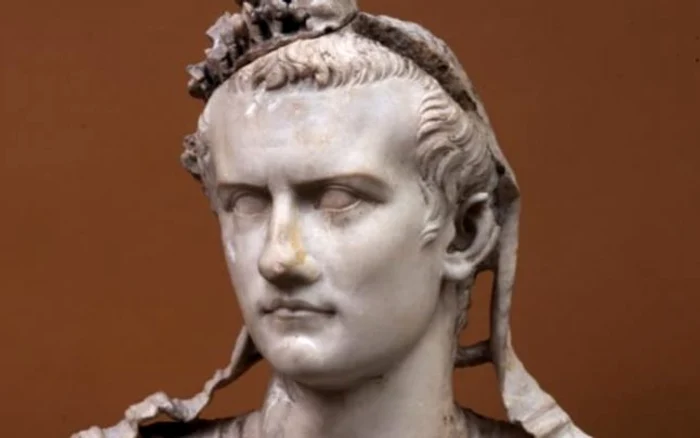
Caligula/PHOTO: History.com
Caligula suppressed a revolt on the Upper Rhine in 39 and executed M. Aemilius Lepidus and Gnaeus Lentulus Gaetulicus. After ascending the throne, he quickly spent the wealth amassed by his predecessor, Tiberius, and tried to obtain new income through extortion and confiscation of assets, writes Britannica.
In 40 he marched with an army into Gaul and prepared an invasion of Britain, but desisted and ordered his soldiers to collect shells from the shore, which he called “the spoils of the conquered ocean.”
Also then he tried to impose his divine cult, ordering the erection of a statue of himself in the Temple in Jerusalem, but withdrew the order after the intervention of Herod Agrippa.
Dissatisfaction with his rule led to several conspiracies, and in January 41 Caligula was assassinated by members of the Praetorian Guard. His wife, Caesonia, and their daughter were also killed, and the throne was taken by his uncle, Claudius.
1821: Tudor Vladimirescu launched the “Proclamation to the citizens of Bucharest”
Tudor Vladimirescu, arrived in Bolintin, launched the “Proclamation to the citizens of Bucharest”, by which he called them to the anti-Ottoman struggle.
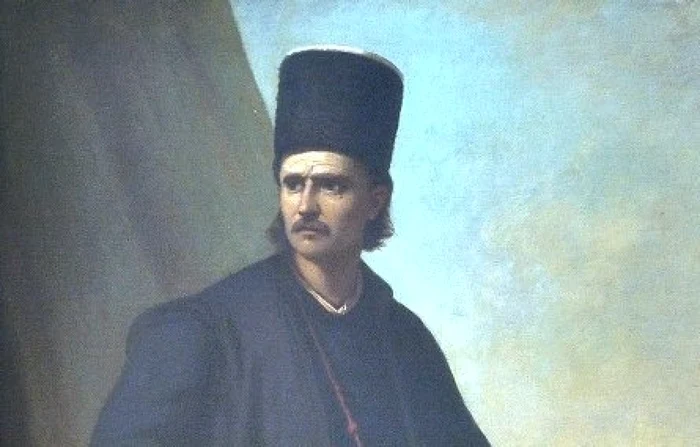
Tudor Vladimirescu/PHOTO: MNIR
The date of March 16, 1821 is also written on the programmatic document of the Revolution of 1821, entitled “Demands of the Romanian People”. On March 21, he entered Bucharest, and in the following days set up his military camp on the plateau near the Cotroceni Monastery, leaving garrisons of pandus at the Mihai Vodă, Antim and Mitropolie monasteries.
1897: The artist Margareta Sterian was born
Born on March 16, 1897, in Buzău, Margareta Sterian was a Romanian painter, writer, illustrator, ceramist and translator, of Jewish origin from Romania.
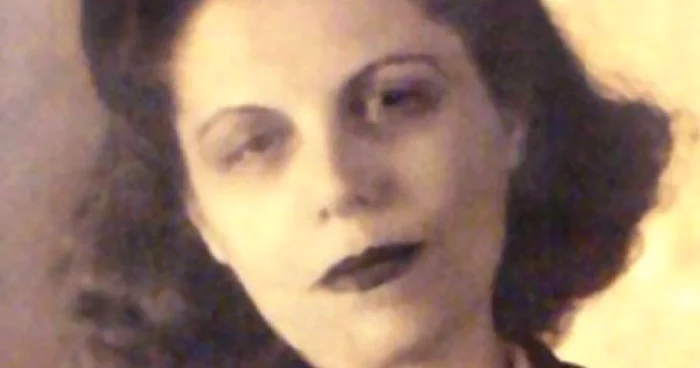
Margareta Sterian/PHOTO: Archive
He studied in his hometown and at the Evangelical German High School in Bucharest, with Ioan Slavici and Richard Conisius as teachers. Orphaned as a child, she was raised by her aunts and grandmother, who encouraged her to pursue art despite poverty and illness.
An apprentice of the painter Gori Mircescu, she went to Paris, where she studied at the Ranson Academy and the École du Louvre between 1926 and 1929. Returning to Romania, she collaborated with the sociological school of Dimitrie Gusti and participated in the monographic campaign in Drăguș, making portraits of children and peasants.
He frequented the avant-garde circles around the “Contemporanul” magazine, where he made his debut in 1930, publishing poems and translations. He participated in numerous exhibitions in the country and abroad, and his publishing debut took place in 1945, with the volume “Poems”. After 1969 he published poems, travel notes, a novel, short prose and translations.
He died on September 9, 1992, in Bucharest.
1957: The great sculptor Constantin Brâncusi died
On February 19, 1876, Constantin Brâncusi, one of the most important sculptors of the 20th century, was born in Hobita, Gorj county.
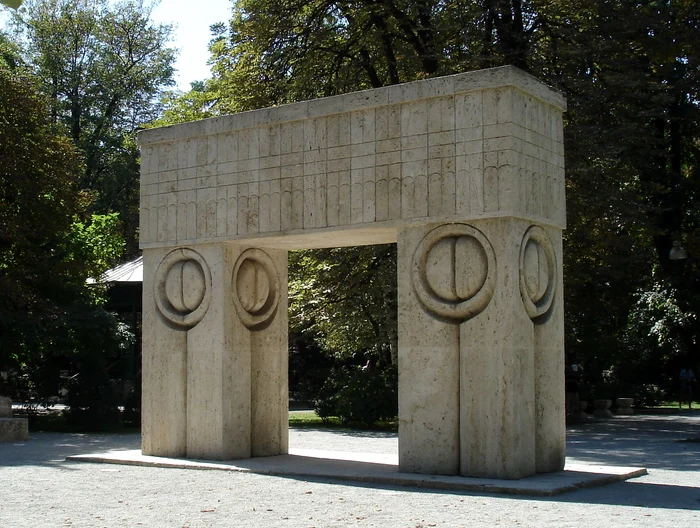
“Gate of the Kiss”/PHOTO: Wikipedia
Considered a pioneer of modern sculpture, Brâncusi studied at the School of Arts and Crafts in Craiova and later at the National School of Fine Arts in Bucharest, before settling in Paris, where he carried out most of his artistic activity.
What relationship did the ancestors of the Romanians have with the Iranian nations. The bonds of the 20th century, fueled by crude oil
His work is characterized by essentialized forms and influences of Romanian folk art, being represented in prestigious collections and museums around the world.
Among his best-known works are “The Kiss”, “Miss Pogany”, “Bird in Space” and the monumental ensemble from Târgu Jiu, made in memory of the fallen heroes in the First World War.
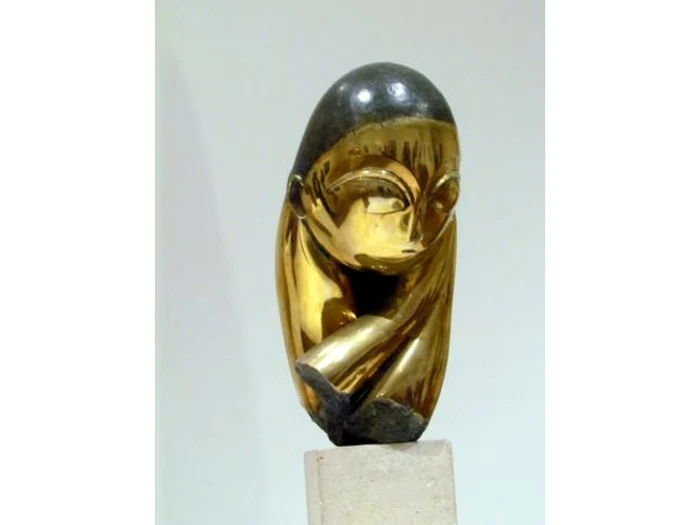
“Miss Pogany”/PHOTO: Wikipedia
Constantin Brâncuși died in Paris on March 16, 1957, and was later elected a posthumous member of the Romanian Academy.
1965: “The Forest of the Hanged” premiered
“The Forest of the Hanged” is a 1965 adaptation of the novel of the same name by the writer Liviu Rebreanu. Directed by Liviu Ciulei, it was the first Romanian film to achieve wide international recognition.
The film was produced in 1964 by the Bucharest Film Studio, which at that time was already operating in the new Film Production Center built in Buftea, writes Historia.
The film was made by the well-known director Liviu Ciulei, who chose the young (at that time) actor Victor Rebengiuc in the main role, that of lieutenant Apostol Bologa, a role that established him in the world of cinema.
The cast is completed by the director Liviu Ciulei himself (in the role of Klapka), the actress Ana Széles (Ilona) and Ştefan Ciubotaraşu (Petre).
In 1966 it won the “Première Oeuvre” category of the Cannes Film Festival.
2014: Crimea votes to secede from Ukraine
The Crimean referendum on joining the Russian Federation was held in the Autonomous Republic of Crimea on 16 March 2014. Against the backdrop of the Crimean crisis, the members of the Supreme Council of the Autonomous Republic voted on 6 March to formally secede from Ukraine and join the Russian Federation.
The mysteries of one of the most controversial events of the 20th century. Kennedy's death, another story with many question marks
The government of Ukraine, the Crimean Tatars and several states have argued that any referendum organized by the Crimean authorities is unconstitutional and illegitimate.
2020: The day when Romania entered a state of emergency
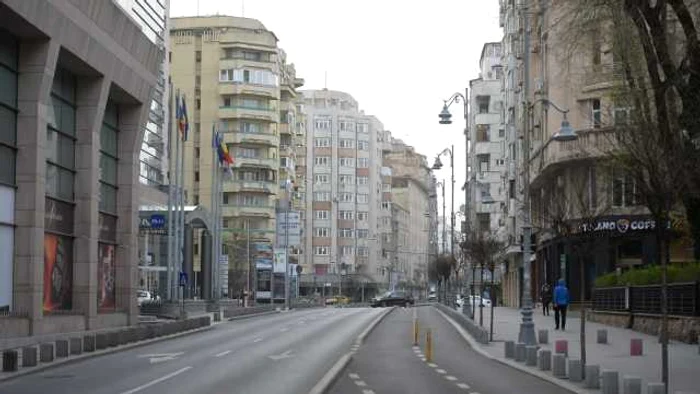
PHOTO Mediafax
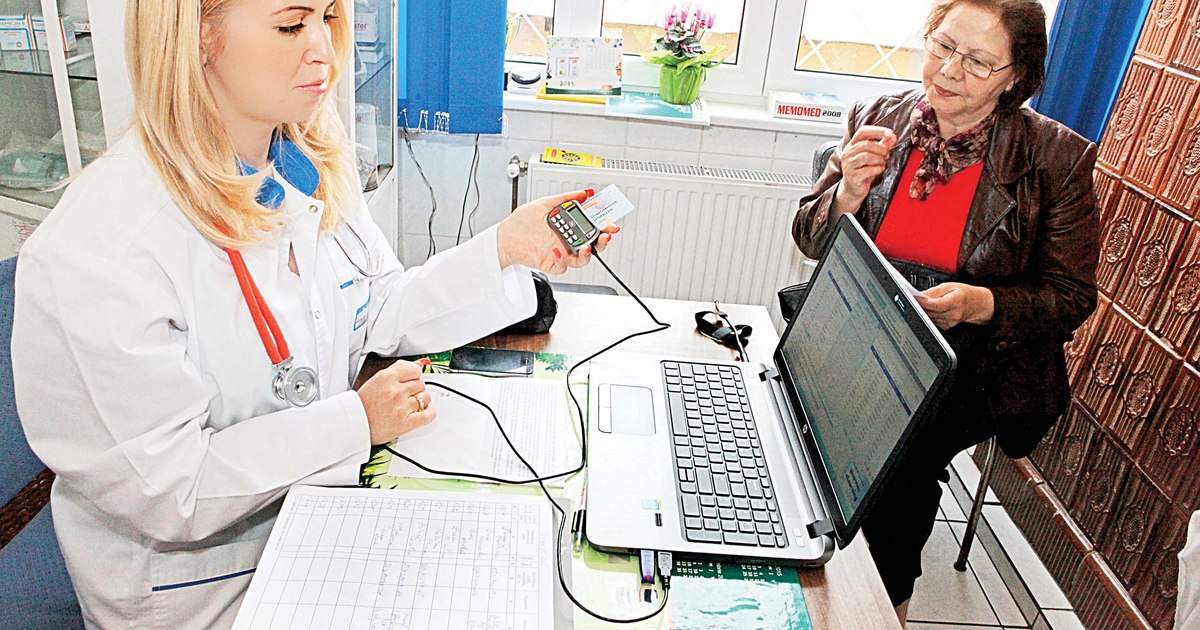
March 16 remains in the collective memory as a moment that changed the daily life of Romanians. Six years ago, President Klaus Iohannis signed the official act by which Romania entered, for the first time after the Revolution, a state of emergency. The authorities in Bucharest were following the example of 12 other European states that had already activated crisis mechanisms, in an attempt to limit the spread of the SARS-CoV-2 virus. At the time of the March 16 decree, there were 2,855 people in institutionalized quarantine in Romania, a number that would explode in the following months.
What “State of Emergency” Meant
The decree published in the Official Gazette imposed the following measures:
- Online Education: All educational institutions have suspended their classes, marking the beginning of the “online school” era.
- Movement restrictions: The authorities were given the power to ban road, rail and air traffic, later culminating in the famous military ordinances.
- The medical system on alert: Non-competitive hiring in hospitals was allowed and emphasis was placed on urgent cases, while ambulance services came under the coordination of the IGSU.
- Economic control: The government gained the right to cap the prices of basic food, medicine and utilities, but also to requisition factories for the production of sanitary equipment.
This period of severe restrictions ended on May 15, 2020, when Romania made the transition to the state of alert, a stage of gradual relaxation, but under the sign of a “new normal”.