After the Strait of Hormuz, world trade may lose another important maritime artery due to the war in Iran. Abed al-Taur, a senior representative of the Houthi militia, told Iran's Press TV station that The Houthis are ready to block the Bab al-Mandab Strait, connecting the Red Sea with the Gulf of Adento support Iran. According to him, in such a case, the blockade will cover both merchant ships and warships, including aircraft carriers sailing towards American or Israeli territories.
The Bab al-Mandab Strait is a strategically important sea route between the southwestern tip of the Arabian Peninsula (Yemen) and the northeastern part of Africa (Djibouti and Eritrea). Approximately 12 percent flows through it. world maritime transport of oil and 8 percent global resources of liquefied natural gas. Its blockage will severely hit energy markets and logistics, especially in countries dependent on supplies through the Suez Canal.
The Houthis are spreading terror in the Red Sea
According to the British daily The Telegraph, the Houthis have already started charging for safe passage through the Red Sea. According to the newspaper, these bribes bring the group “multi-billion dollars in revenue.” The founder of the analytics firm Contango Research, Ed Finley-Richardson, claims that such a system could be attractive to ships stranded in the Persian Gulf. — I am sure that many shipowners would be ready to pay just to free their ship, because each of them is worth between $20 and $200 million. (approx. PLN 75-750 million) – he explains.
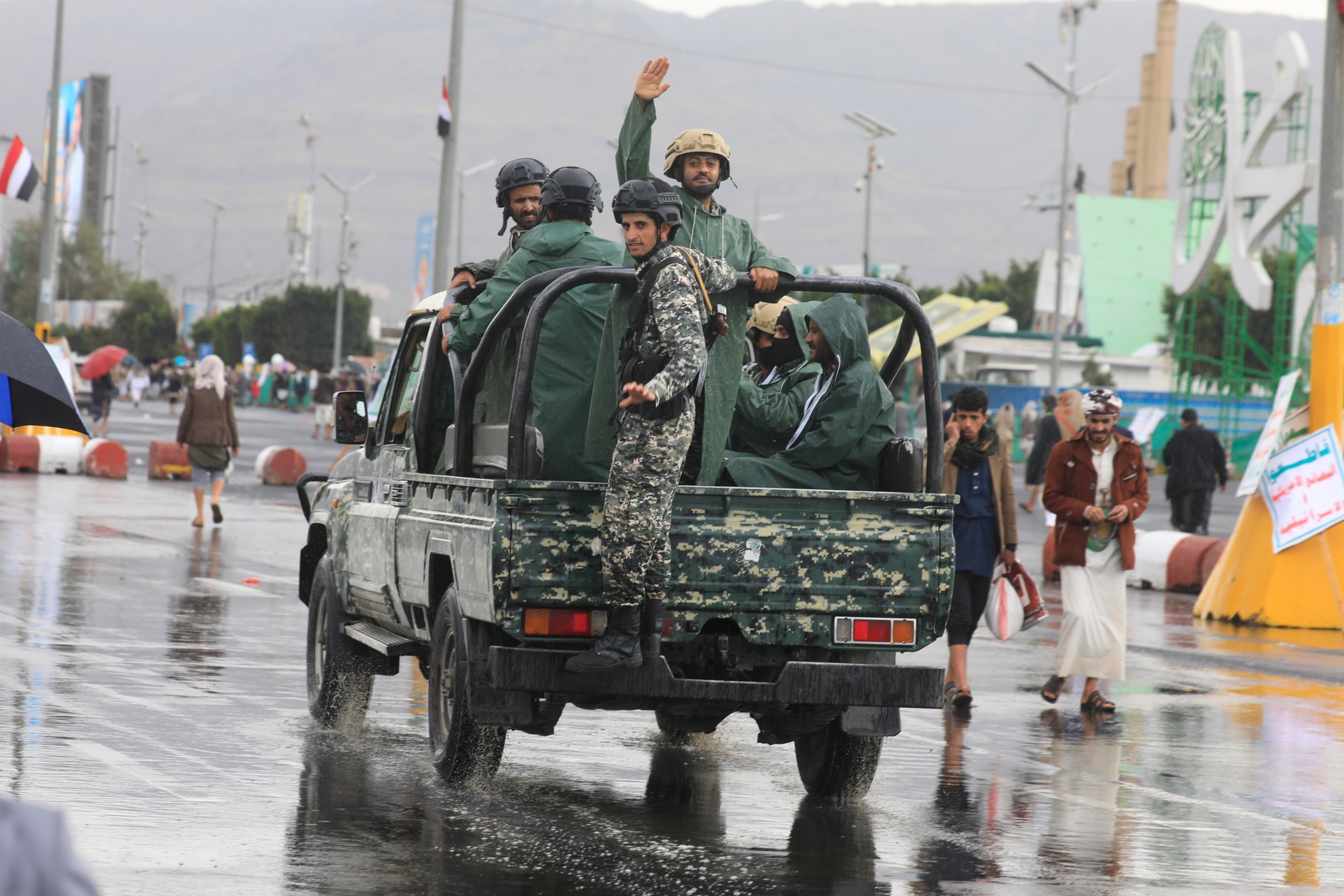
Houthi fighters in Sana'a, March 13, 2026.PAP/EPA/YAHYA ARHAB
Iran has long supported the Houthis, who control northern Yemen, including: providing them with weapons, drones and intelligence. In addition Tehran uses Yemen as a tool of pressure on Saudi Arabiaavoiding direct conflict with Riyadh.
On March 11, ships began moving en masse from Iran-blockaded Hormuz to the Red Sea to load Saudi oil. This is mainly about approx. 30 supertankers heading to the port in Yanbueach of which can take 2 million barrels. However, to reach the Red Sea from the south, tankers must pass through the Bab al-Mandab Strait.
The article continues below the video
The Strait of Hormuz, through which one-fifth of the world's oil and gas supplies flow, was blocked after the US-Israeli military operation began on February 28. Iran announced the closure of this artery to the Americans and their alliesemphasizing that it will not release “a single drop of oil” from the region while the raids continue. The Islamic Revolutionary Guard Corps has threatened to attack any ship that tries to break the blockade.
Trump is not giving up. “We will soon make the Strait of Hormuz open, safe and free.”
On March 14, US President Donald Trump called on China, the UK, France, Japan and South Korea to join in protecting the Strait of Hormuz, calling for the dispatch of warships for joint patrols.
“The United States will massively bombard the coast and consistently destroy Iranian boats and ships. Either way, we will soon make the Strait of Hormuz open, safe and free,” he assured.
On March 11, Trump suggested a quick end to the military operation, citing the exceptionally good performance of U.S. forces and the fact that they have “virtually no targets left to attack.” However, according to The Wall Street Journal, the president does not plan to end the war immediately, insisting on continuing attacks on Iran's armed forces and supporting forces. Pentagon officials told the newspaper that the conflict is likely to last for at least the next few weeks.
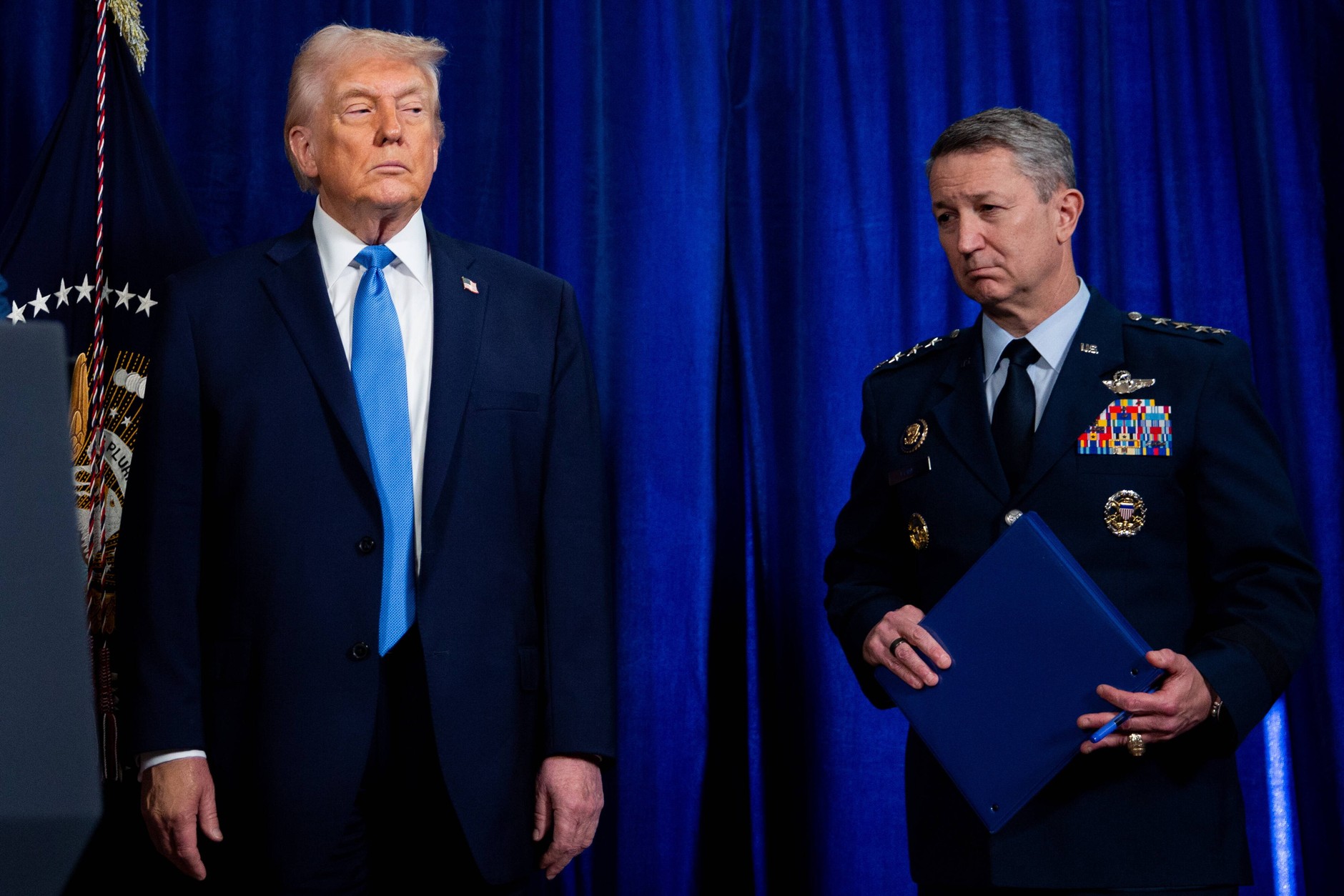
Donald Trump, President of the United States, and Gen. John Daniel Caine, Chairman of the Joint Chiefs of Staff, during a press conference. Palm Beach, January 3, 2026EPA/NICOLE COMBEAU / POOL / PAP
As the Wall Street Journal notes, before the war began, the chairman of the Joint Chiefs of Staff, Gen. Dan Caine, warned Trump that an attack could prompt Iran to close the Strait of Hormuz. Trump acknowledged the risks but continued the operation, hoping for Tehran to surrender before the strait was closed. Two weeks later, Iranian leaders refuse to budge, and the strait has become a key pressure tool for Tehran, as the Washington newspaper notes.
I’m Ashley Davis as an editor, I’m committed to upholding the highest standards of integrity and accuracy in every piece we publish. My work is driven by curiosity, a passion for truth, and a belief that journalism plays a crucial role in shaping public discourse. I strive to tell stories that not only inform but also inspire action and conversation.