A new study by researchers at the University of California San Diego (UCSD) shows that a blood test can indicate the future risk of dementia in women decades before symptoms appear.
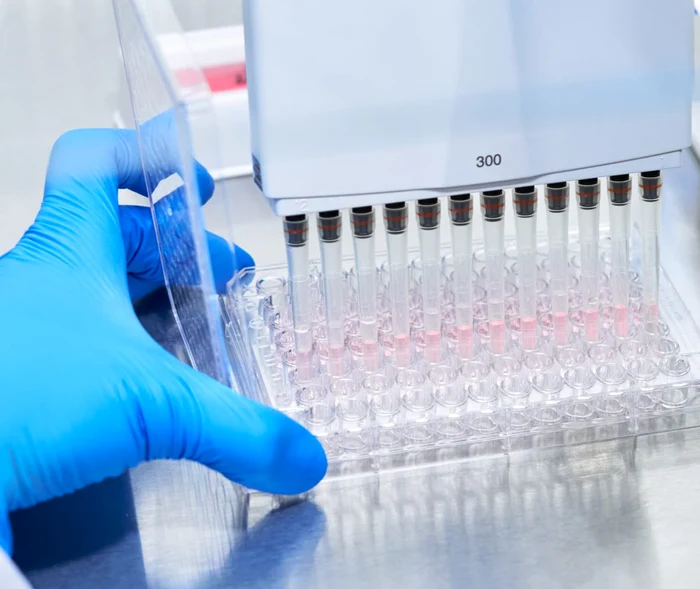
Blood test PHOTO: Shutterstock
The level of a specific biomarker, p-tau217, a form of the tau protein associated with the brain changes characteristic of Alzheimer's disease, has been shown to be strongly correlated with later onset of cognitive impairment.
The research, published in the journal JAMA Network Open. , analyzed data from 2,766 women participating in the Women's Health Initiative Memory Study, followed for up to 25 years.
At the time of inclusion in the study, all participants had normal cognitive function. Blood samples taken initially were tested for the level of the biomarker p-tau217, and over the next few years the researchers identified women who developed memory problems or dementia.
The results showed that women with higher p-tau217 values had a significantly higher risk of cognitive impairment, with the probability increasing in proportion to the level of the biomarker.
Professor Aladdin H. Shadyab, lead author of the study, explained that “the results suggest we could identify women at increased risk of dementia decades before symptoms appear, providing opportunities for prevention and early monitoring.”
According to the cited source, the analysis showed that the association between high levels of p-tau217 and unfavorable cognitive development is not identical for all participants. The correlation is stronger in women who were older than 70 years at the time of inclusion in the study, in those with the risk gene, and in participants who received hormone therapy with estrogen and progestin compared to those who received placebo.
Differences were also observed between white and black women in the strength of the correlation, although combining biomarker level with age improved risk prediction in both groups.
The researchers point out that biomarkers detected in blood represent a promising alternative to invasive methods, such as analysis of cerebrospinal fluid or brain imaging, and could accelerate research into risk factors and the evaluation of preventive strategies.
Although testing is not currently clinically recommended for people without symptoms, the finding could allow for early interventions, personalized monitoring and a better understanding of how genetics, hormone therapy and the natural aging process influence dementia risk.