Twilight of the dollar era. Banks buy gold to power

It sounded like a historical opportunity for Europe. In interviews, speeches and speeches, the leading employees of central banks recently repeated like a mantra that the euro can benefit from the dollar's weaknesses. If Donald Trump undermined his unpredictable policy of the global reserve currency, the common currency could make up for losses, and maybe even gain value.
However, it happened differently. As the European Central Bank (EBC) admitted yesterday in its annual report, It is not the euro that is the great winner of the dollar fall – and gold.
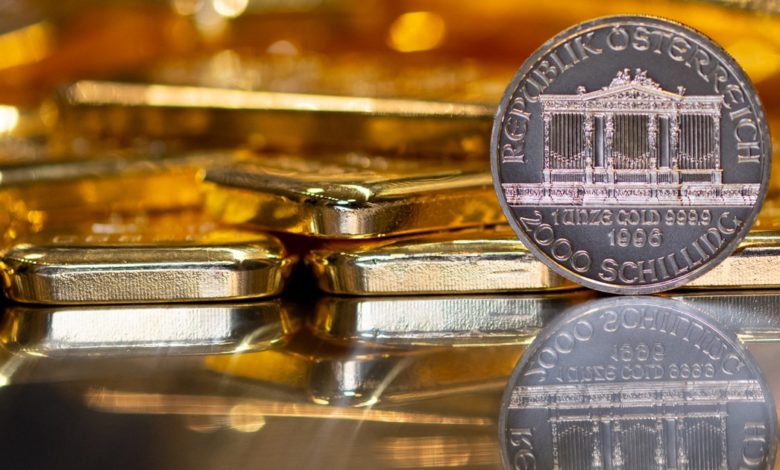
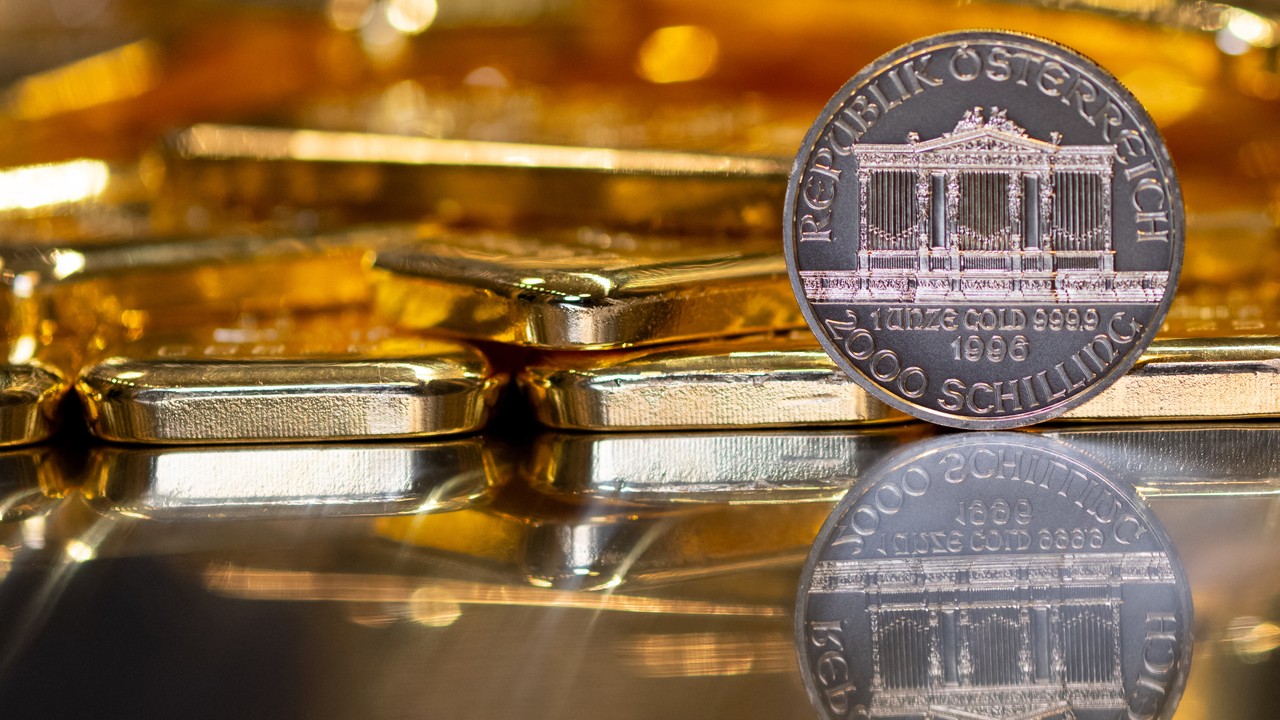
Record purchases of this ore made by central and unprecedented price increases have made him in second place among global reserve assets. The euro fell on the third place.
“Central banks raised gold at a record pace,” we read in the latest ECB report. Last year, financial institutions around the world bought over 1000 tons of gold for the third time in a row. This corresponds to about one fifth of the world annual production of this ore. This increase was twice as high as the average from the last decade.
The total gold reserves of central banks are currently around 36,000 tons and They are close to the historical maximum of 38 thousand. tone. They were achieved in 1965 in the Bretton Woods era.
Huge demand for gold clearly changes the structure of global foreign currency reserves. Gold currently accounts for about 20 percent. official world reserves, ahead of the euro (16 percent) as the second most important reserve currency. The American dollar remains at the forefront, but its share fell to 46 percent.
Many experts consider current changes as signs of gradual departure from the American dollar. On the currency markets, the dollar is under more pressure – the dollar index, which measures the value of the American currency in relation to the currencies of the most important trading partners, fell to the lowest level from 2022.
At the same time, the euro is significantly gained in value – it increased to over $ 1.16. (PLN 4.3), i.e. the highest level from 2021. Capital flows of international central banks show that this increase is not an expression of a special euro force, but rather a reflection of the dollar weakness. The common European currency uses almost automatically on the departure from the dollar.
China, Türkiye and India's greatest buyers
Statistics show that especially central banks of countries that want to become more independent from the west, reduced their dollars resources and bought gold massively. This can be seen especially in the case of China, Turkey and India. According to the EBC study, this trend is primarily due to economic and geopolitical security strategies.
It is also reflected in another indicator: China significantly reduced their resources of American treasury bonds. At the peak – in 2013 – the People's Republic of China owned American debt papers worth $ 1.32 trillion. (PLN 4.9 trill). Since then, these resources have been gradually reduced and currently only about $ 765 billion. (PLN 2.8 trillion). At the same time, Beijing significantly increased his gold reserves – from around $ 42 billion. (PLN 155.8 billion) in 2013 to approx. $ 250 billion (PLN 927 billion) Currently.
A rapid increase in gold demand is worth noting. After all, gold – unlike reserves in dollars or euros – is not interest -bearing, and its storage is expensive. Despite this, investors, including central banks, consider them to be the safest form of investment. And because it is by nature apolitical, It is not associated with the risk of loss of value, nor can you confiscate reserves as a result of sanctions.
In a world with high geopolitical risk, this seems particularly important. Unlike reserves in dollars or euros, which can be frozen – as in the case of Russian foreign exchange reserves after an attack on Ukraine – physical gold remains intact.
DEDOLARY IN FULL
The process of withdrawing from the dollar is underway. Experts are already talking about gradual dedolarization of global financial architecture. However, there is no expected influx of funds to the euro – capital flows mainly to gold.
“Demand for gold increased abruptly after the Russian invasion of Ukraine and lasts at a high level” – state authors of the latest ECB report. Particularly striking is that in the scope of buying gold central banks operate much more aggressively than private investors. Although ETF funds investing in gold also record an increase in the influx of capital, it is rather moderate compared to huge purchases made by central banks.
Part of the private demand seems to be more and more moving towards “digital gold”, or Bitcoin. More and more institutional investors, in addition to physical gold, focus on cryptocurrencies as an element of diversification of their wallets. About $ 126 billion has already been invested in Bitcoin American ETF funds. (PLN 467 billion) – and the trend is upward. Only in May these instruments received over $ 5 billion. (PLN 18.6 billion).
The new geopolitical situation on financial markets is also important for saving. Those who do not want to miss this trend should consider investing a small part of their portfolio in gold and bitcoins-preferably through products recorded on the stock exchange, such as: ETFs for gold, e.g. EUWAX Gold II (WKN: EECS: EEC2LD) or Ishares Physical Gold etc (WKN: A1KWPQ) or ETF-y on bitcoin, e.g. Bitcoin (WKN: A27Z30).
Important: the share of gold and bitcoin in the wallet should not exceed ten percent in total. Both gold and Bitcoin carry currency risk for euro investors. Both are recorded in dollars and in the case of the euro value increases, their participation in the wallet loses its value.