“The president doesn't make bad deals.” Donald Trump rejected Vladimir Putin's proposal to transfer Iranian uranium to Russia

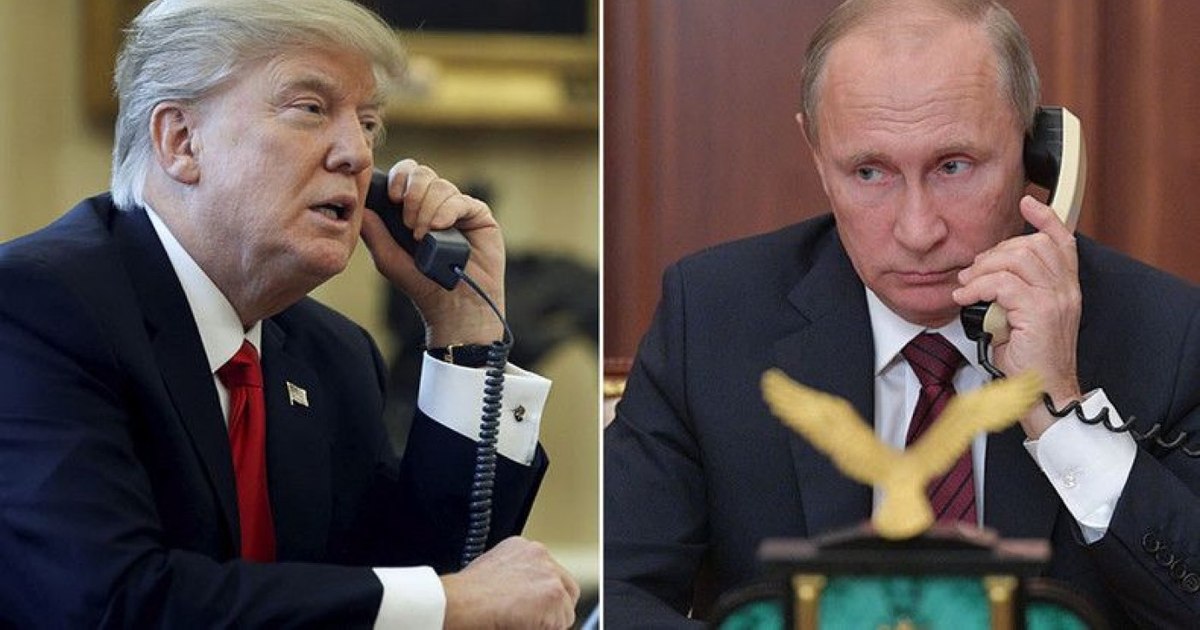
Donald Trump rejected Vladimir Putin's proposal to transfer Iran's enriched uranium stockpile to Russia, an older idea, but revived in a recent telephone conversation between the two.
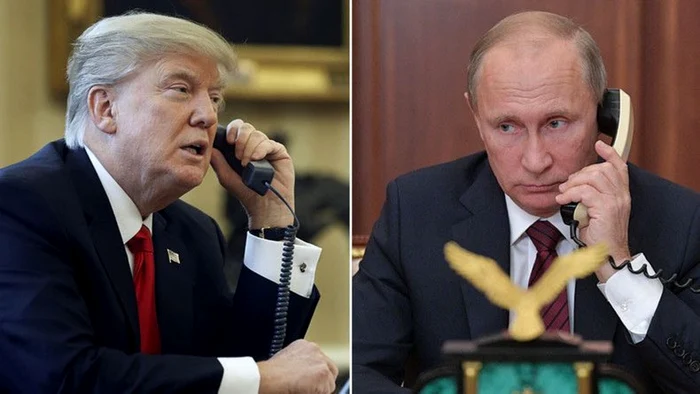
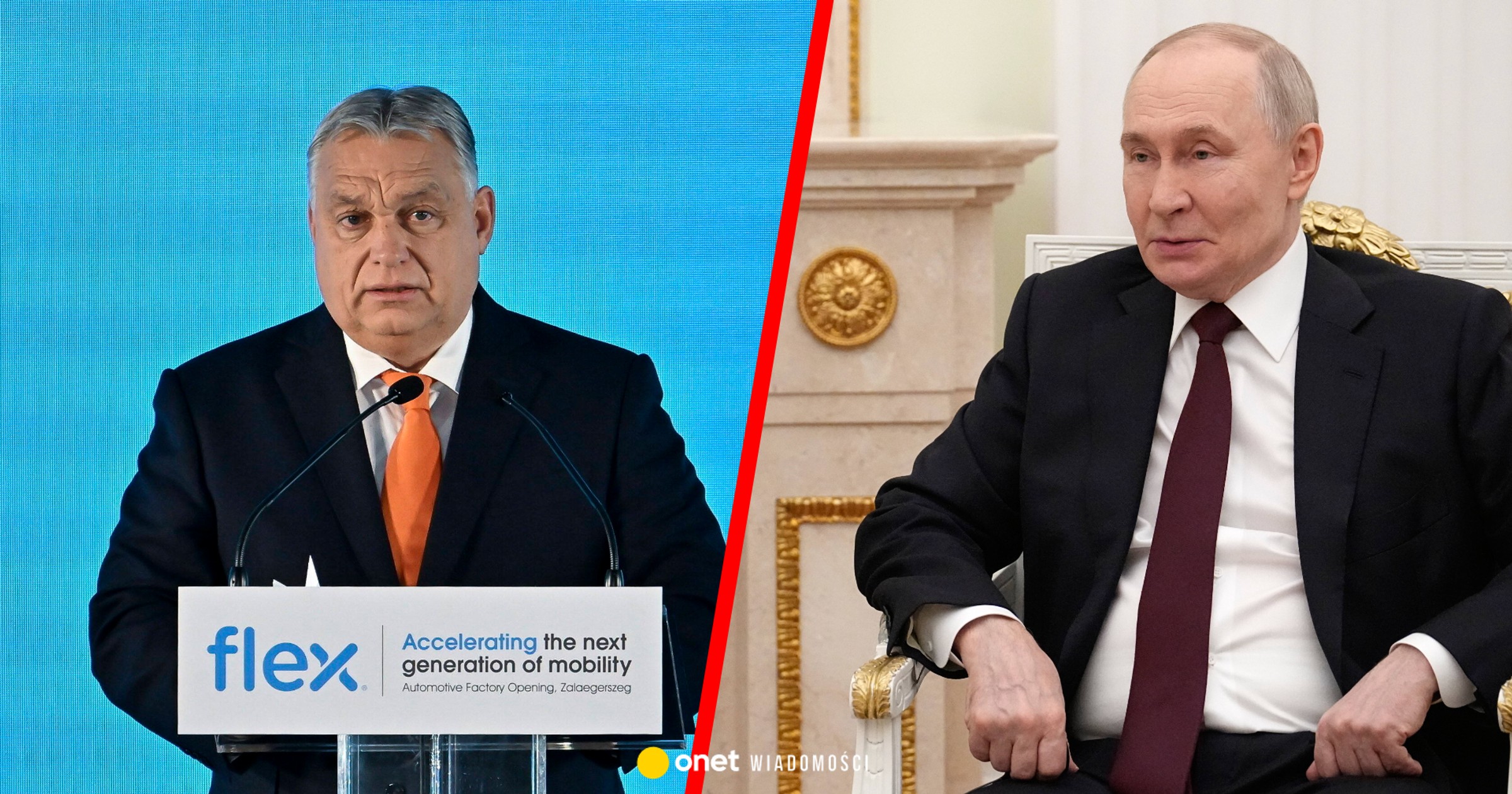
Donald Trump rejected Vladimir Putin's offer. PHOTO: collage
The latest phone call this week between Vladimir Putin and Donald Trump included a controversial proposal related to Iran's nuclear program and ending the war between Washington and Tehran. According to sources cited by Axios, the Kremlin leader has suggested that Iran's enriched uranium be transferred to Russia as part of a possible deal aimed at reducing tensions and facilitating an end to the conflict in the Middle East. The proposal was not, however, accepted by Donald Trump.
According to the same sources, the idea is not new and has been discussed in the past, but the position of the United States remains the same.
“This is not the first time it has been advanced. It has not been accepted. The US position is that we need to see uranium secured,” an American official told Axios.
The stakes are huge, given that Iran reportedly possesses about 450 kilograms of uranium enriched to a level of 60%, an amount that, according to experts, could be turned into military-grade material in just a few weeks.
According to estimates, this amount would be enough to produce more than ten nuclear weapons. For this reason, securing the Iranian nuclear stockpile is one of the main strategic objectives of the United States and Israel in the current conflict, notes Axios.
Russia has offered to help end the conflict
In theory, Moscow's proposal could have offered a way to eliminate the nuclear risk without involving sending American or Israeli troops to Iranian soil. Russia is already a nuclear power and has the infrastructure to handle such materials and has previously stored low-enriched Iranian uranium under the international nuclear deal signed in 2015.
According to information cited by Axios, Vladimir Putin presented several scenarios for ending the war between the US and Iran during a phone call with Donald Trump on Monday, and the transfer of uranium to Russia was just one of the options discussed.
Before the outbreak of war, Iran rejected the option of transferring nuclear material to Russia and instead suggested diluting uranium at its own facilities under the supervision of the International Atomic Energy Agency, and there is no indication that the authorities in Tehran are now willing to accept a different solution.
“The president does not make bad agreements”
US officials claim that Donald Trump remains open to negotiations, but only on the condition of a favorable agreement.
“The president talks to everybody – Xi, Putin, the Europeans – and is always willing to make a deal. But it has to be a good deal. The president doesn't make bad deals.” the US official said.
In parallel, Washington and Israel are also analyzing other scenarios to secure the Iranian uranium stockpile. According to previous reports by Axios, one of the options being discussed would be to send special forces to Iran at a later stage of the conflict to take control of the nuclear material.
In an interview with Fox News Radio, however, Donald Trump suggested that, at least for now, securing Iran's uranium stockpile is not his administration's top priority.
“We're not focusing on that, but at some point we might do it,” he said.
In the same interview, Trump acknowledged for the first time that Russia may be providing support to Iran in the conflict, after several voices suggested Moscow was providing intelligence that could be used to target US forces.
“I think (Putin) might help them a little, yes. And he probably thinks we're helping Ukraine, right?” said Donald Trump, suggesting that such dynamics are part of the geopolitical game between the great powers. “So he says this, and China would say the same thing. It's like: they do this and we do that, to be fair.” the White House leader concluded.