Across the United States, veterans held their breath anxiously after the U.S. began air strikes against Iran. In their opinion, the attacks on Iran resemble the first chapter of a war they thought was over.
Although more than a dozen veterans interviewed by POLITICO are aware of the brutality of the Iranian regime, most of them expressed distrust of the goals of President Donald Trump's war on Iran. Meanwhile, more Americans are dying in the war against the Iranian regime.
“The United States has left behind years of civil war, mass death and rampant terrorism,” says Phil Klay, a U.S. Marine Corps veteran who served in Iraq.
Maggie Seymour, who served as a Marine in Iraq, Afghanistan and Kuwait from 2007 to 2016, said her first reaction to the U.S. fighter jets attacking Iran was: “Is this some kind of joke?”
“People are dying,” adds Keegan Evans, who was a Marine helicopter pilot in Iraq. “Sons, daughters, brothers, fathers – they are not coming home. And a very reasonable question arises: what is all this for?”
Veterans say they still struggle with a feeling they most often describe as the futility of their efforts. From their perspective, US-backed regime change operations are rarely successful. It should be a cold shower for Trump.
According to Jason Dempsey, a former infantry officer who served in both Iraq and Afghanistan, the current generation of veterans is more cautious about the use of military force compared to Vietnam-era soldiers.
“There's a lot more melancholy and disappointment about what we're doing right now,” Dempsey says.
The article continues below the video
— I served in Iraq. I would like our country to draw some conclusions regarding the use of military force, adds Phil Klay. “It's kind of a matter of caution when it comes to this issue.”
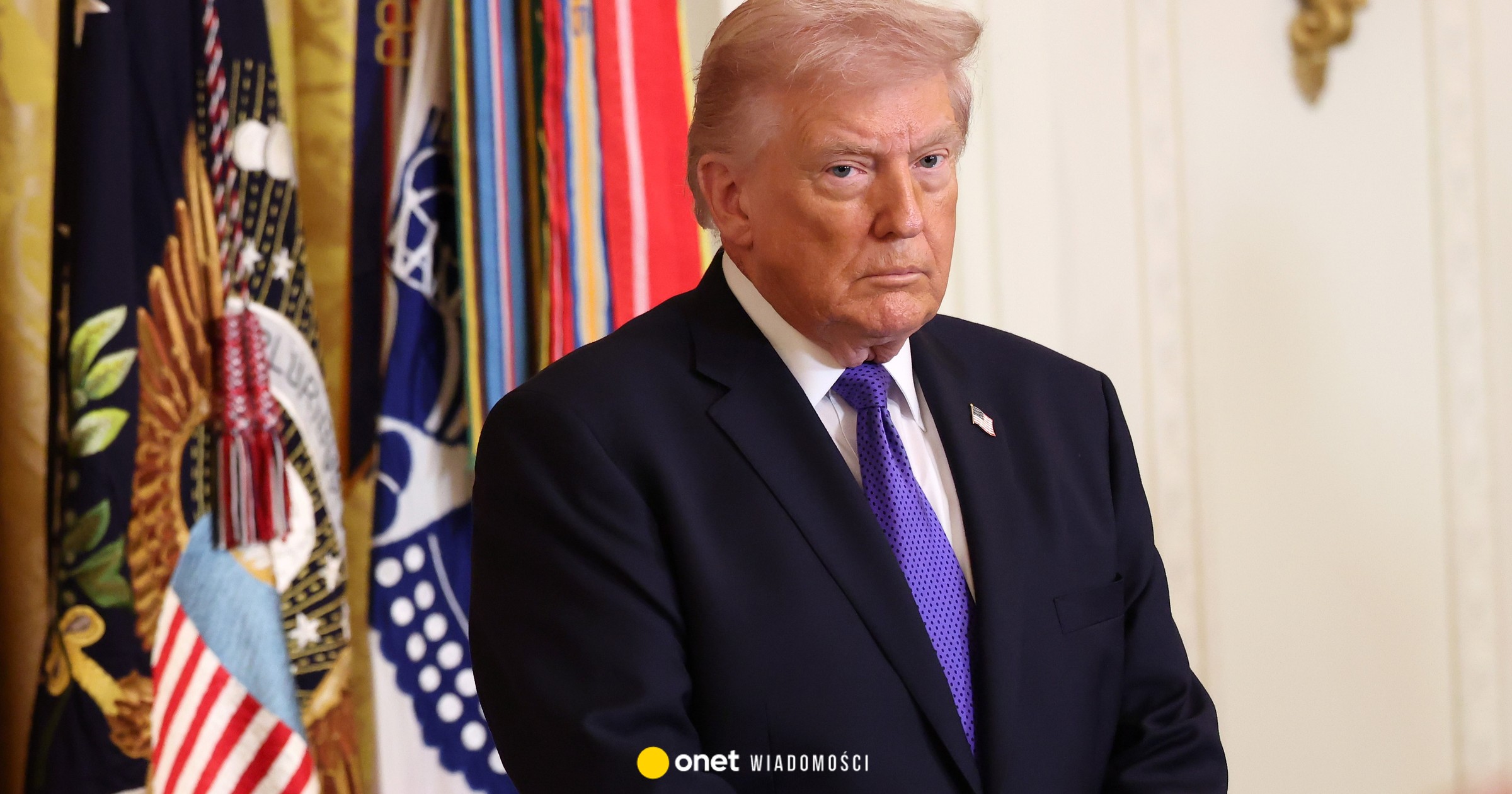
On Friday, March 6, Donald Trump demanded the “unconditional surrender” of Iran. Veterans are particularly frustrated by the government administration, which is gradually limiting support systems for veterans.
“We feel like the government is treating us like pawns,” said Brandon Waithe, a former Air Force staff sergeant who served in Iraq and Afghanistan. “They want to send us to wars, but they don't want to bear the costs of their consequences.” Veterans say what worries them most is that the United States has not learned from its past mistakes.
In 2001, the US launched a large-scale military campaign in Iraq and Afghanistan aimed at eliminating terrorist threats after the September 11 attacks. These wars continued for decades. More than 7,000 soldiers have died, some at the hands of Iranian-armed rebel groups. In 2021, troops withdrew from Afghanistan and the Taliban took control shortly thereafter.
According to veterans interviewed by POLITICO, regime change does not happen solely through airstrikes. They claim that diplomacy is more important than “reckless” spreading of conflagration and destruction, and the side effects of fighting last much longer than the news cycle.
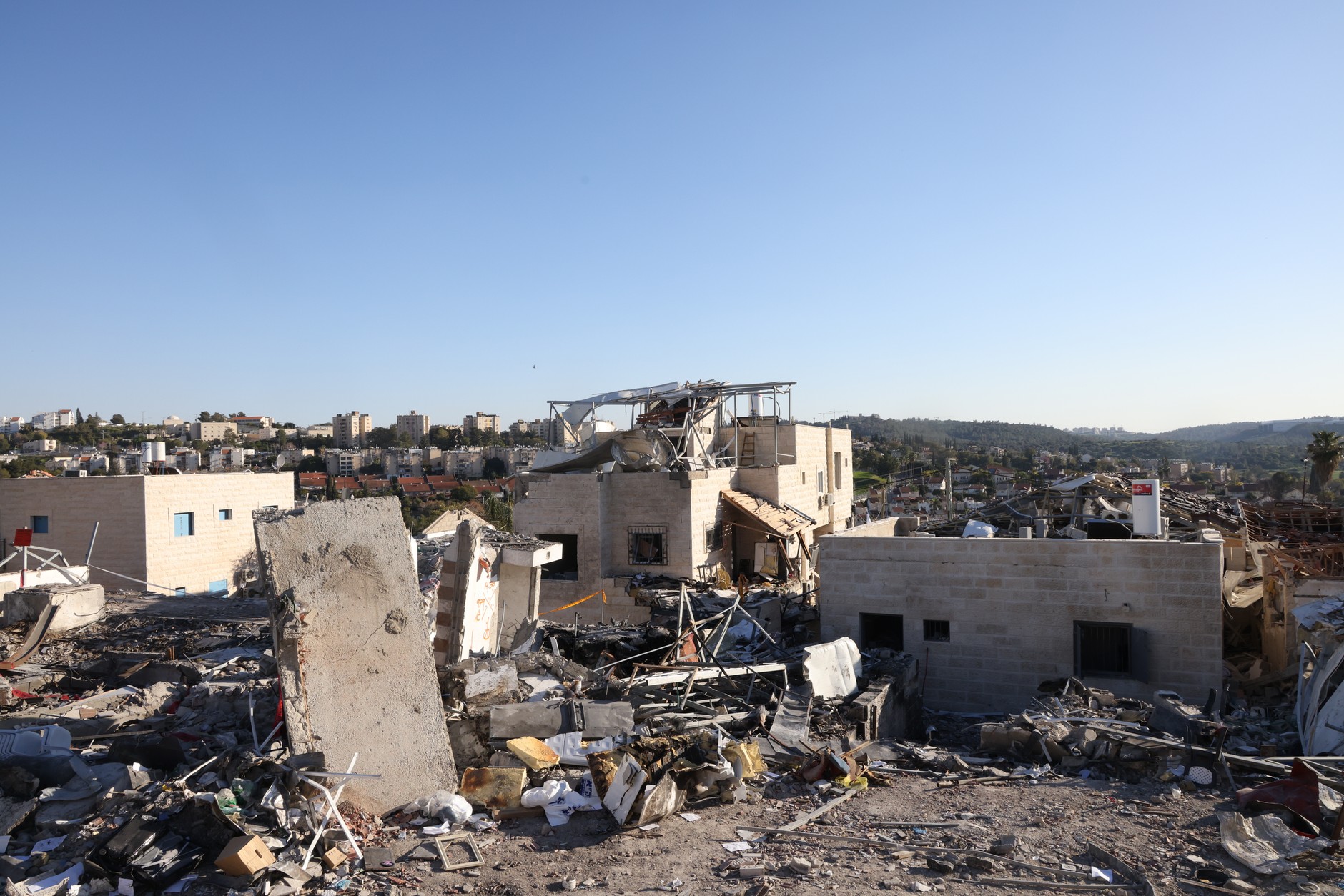
Consequences of Iran's retaliatory attack on Israel. Destruction at Bet Shemesh near west Jerusalem, March 10, 2026 (illustrative photo)Saeed Qaq/Anadolu Agency via Getty Images, Contributor / Getty Images
Immediate tactical victories do not guarantee success in a long-term war. Military operations must have a long-term plan.
– This [co teraz dzieje się w związku z Iranem] makes planning for the Iraq war now look like a grand strategy, said Chris Purdy, a military engineer who deployed to Iraq in 2011. “The United States jumped into the thick of things like a bunch of five-year-olds playing soccer,” Evans said.
— This operation is a no-brainer action. We have probably done the same in many [poprzednich] wars, says Seymour. “Many similar examples can be cited.”
“Should we waste our lives on one man's whim?”
The veterans community is not homogenous — Trump's cabinet includes high-ranking officials who served in Iraq and Afghanistan, including Vice President J.D. Vance and Secretary of War Pete Hegseth. Trump acknowledged this week that Vance was “maybe less enthusiastic” at the start of the war with Iran.
– We signed up [w 2001 r.]because we thought we were doing something big, amazing, says Jackie Schneider, an Air Force veteran who served in South Korea and Japan, in an interview with POLITICO. “The results of these actions are complicated and unclear. Have we achieved what we intended?”
“That's a question veterans don't know the answer to,” Schneider says. “It's devastating for this generation,” he adds. The Department of Defense did not respond to requests for comment from POLITICO.
So far, Trump's second term has been characterized by a series of military actions. Last June, the Americans bombed Iranian nuclear facilities. In January 2026, they deposed the Venezuelan government by arresting President Nicolas Maduro.
But when it comes to Iran, Trump's ultimate goal is unclear. His administration presents increasingly new arguments for striking Iran: regime change, nuclear potential, a secret ballistic missile program. Meanwhile, on Sunday, March 8, Abbas Araghchi, Iran's foreign minister, rejected Trump's demand for surrender, saying on “Meet the Press” that Iran “will continue to fight for the good of our nation.”
More than 1,000 people have already died in Iran. So far, seven American soldiers have been killed in Operation Epic Fury. Veterans fear the death toll will continue to rise.
— Risk your life, be seriously injured, or die for a reason the president can't even articulate? — Dempsey wryly asks about the meaning of war “People will ask: 'Should I lose my life for one man's whim?'”
Over the past few days, Cynthia Kao, a former U.S. Air Force reservist who served in Afghanistan, has fielded dozens of calls from members of her veteran network. She said the anxiety is palpable. Several reservists told her they feared they would be treated as “cannon fodder.”
“I'm not afraid to die for my country” was a phrase Kao heard from her colleagues. “But I'm afraid to die for someone who has his own goals.”
I’m Ashley Davis as an editor, I’m committed to upholding the highest standards of integrity and accuracy in every piece we publish. My work is driven by curiosity, a passion for truth, and a belief that journalism plays a crucial role in shaping public discourse. I strive to tell stories that not only inform but also inspire action and conversation.