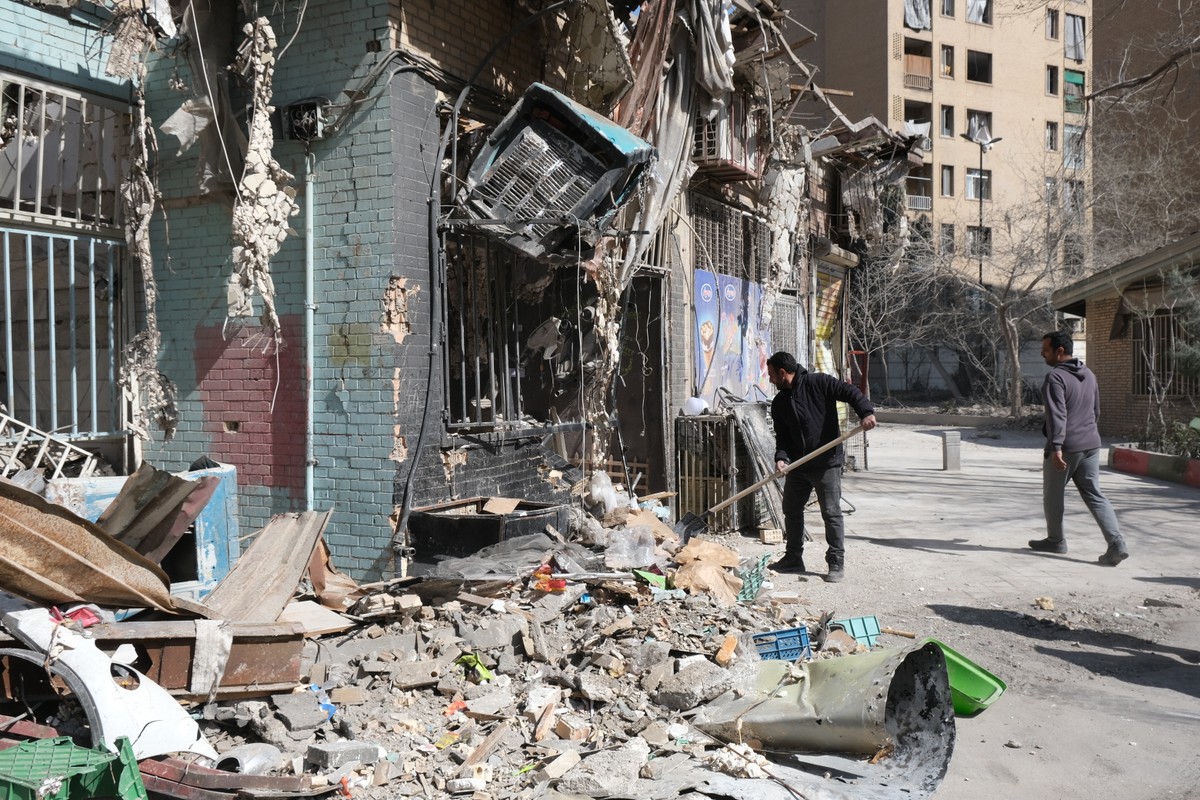
Israel and the US launched airstrikes on Iran on February 28, killing, among others, the country's supreme leader, Ali Khamenei. Tehran responded by attacking Israel and several Persian Gulf states, hitting both American bases and civilian facilities located there, as well as announced the blockade of the Strait of Hormuz, which is crucial for global supplies of crude oil and LNG by sea.
See also: Oil prices soar after attacks in the Middle East. Strait of Hormuz almost empty
The thing is, it's not just about oil. It is also a popular food import route to the Persian Gulf countries.
According to analyst estimates Saudi Arabia imports about 40 percent. grains and oilseeds through its eastern ports in the Persian Gulf, and the United Arab Emirates imports about 90 percent. this type of goods through the port of Dubai. Food and perishable products go to Bahrain and Qatar via the same route, which means the ports serve approximately 45 to 50 million people.
Supplies for 10 days
In turn, the head of Kuehne-Nagel, a Swiss logistics and forwarding giant, warns in local media that the problem may be even deeper. In an interview with broadcaster SRF, Stefan Paul claims that “Dubai currently has about 10 days of fresh food.”
Kpler analyst Ishan Bhanu emphasized in an interview with “FT” that Iran will also have a serious food problem.
“The Gulf states are very dependent on imported food,” said analyst Christian Henderson of Leiden University. He added that there was a direct threat to food security in the region.
Also countries such as Yemen, Sudan and Somalia, for which the UAE is a transhipment point, may face shortages and price increases, he said.
See also: Food in the Middle East is becoming a problem. These are the consequences of war
Iran grows much of its food for domestic use, but imports a significant portion of its grains and oilseeds. It imports corn, soybeans and wheat through Hormuz.
On Tuesday, Iran banned the export of food and agricultural products. A day earlier, the authorities appealed to citizens not to give in to panic and the rush to stockpile supplies. Even before the outbreak of the war, officials reported that the strategic reserves contained 4 million tons of wheat, which should be enough for four months.