The regulation, which introduces a safeguard clause, will enter into force 20 days after publication in the Official Journal of the EU. This mechanism will be active from the moment of provisional implementation of the agreement, which is expected to take place two months after the exchange of formal notes between the European Commission and the Mercosur countries: Argentina, Brazil, Paraguay and Uruguay.
The rest of the text is below the video
The head of the European Commission, Ursula von der Leyen, announced on February 27 that The commercial part of the agreement will apply on a transitional basis until full ratification by the European Parliament. This solution is made possible by EU treaties.
Read also: The EU-Mercosur agreement raises emotions. What is a South American organization?
A protective mechanism for European farmers
The safeguard clause aims to protect EU agriculture against the potential effects of the inflow of agricultural products from Mercosur. The agreement allows goods such as beef, poultry, dairy products, sugar and ethanol to be imported into the EU at reduced customs duties, but only in certain quantities. In return, Mercosur countries pledged to reduce tariffs on European industrial goods, including cars, which had previously been subject to high fees.
The protection clause provides for the possibility of intervention in a situation where imports from Mercosur result in a 5% drop in the prices of a given product in the EU. In such a case, the European Commission will be able to increase customs duties on a given product or even ban its import.
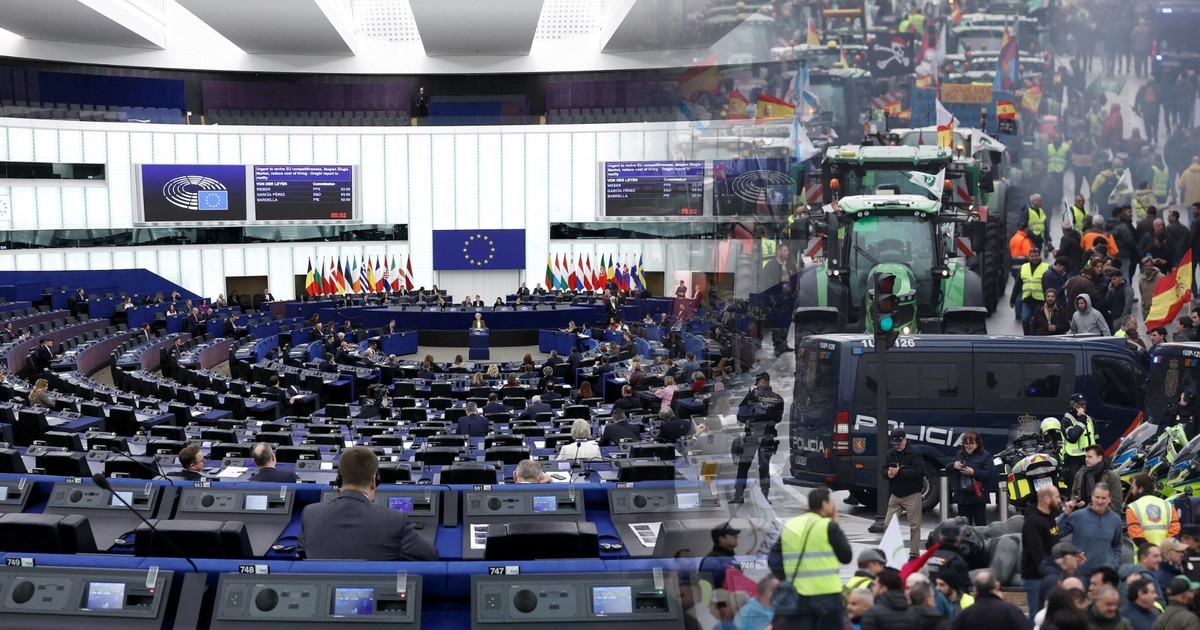
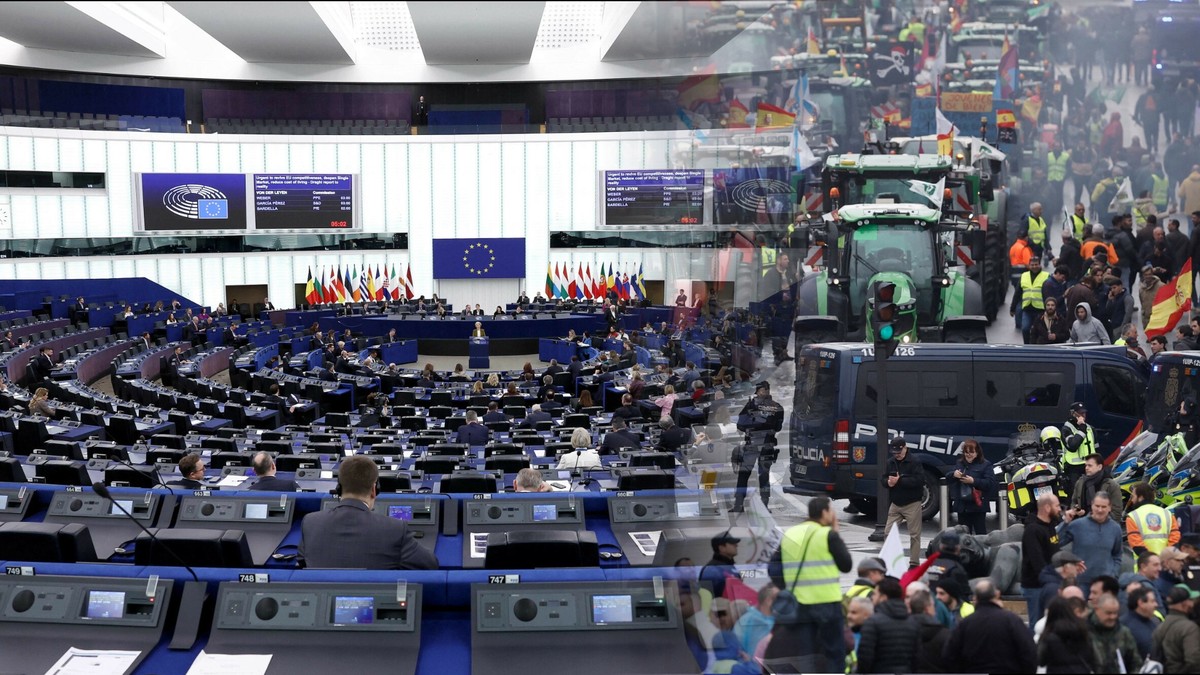
The decision to introduce the safeguard mechanism is a response to the concerns of European farmers who have long raised alarms about the potential threats related to the agreement. Protests on this issue took place in many member states, including France and Poland.
Temporary application of the agreement and controversies
The temporary implementation of the agreement means that Trade provisions under the competence of the European Commission will enter into force before full ratification. In practice, this will enable the immediate abolition of customs duties and trade barriers on goods covered by the agreement. Other issues, such as investment protection, will require a full ratification procedure.
However, not all EU members supported the agreement. Poland, France, Austria, Ireland and Hungary opposed its signing, emphasizing potential threats to domestic agriculture. Despite this, most member states agreed to conclude the agreement at the beginning of January.
Earlier, the European Parliament referred the agreement to the Court of Justice of the EU, which temporarily blocked the ratification process. However, key trade provisions may enter into force thanks to the competences of the European Commission, which is controversial among critics of the agreement.
Read also: “The devil is in the details.” The industry warns against Mercosur