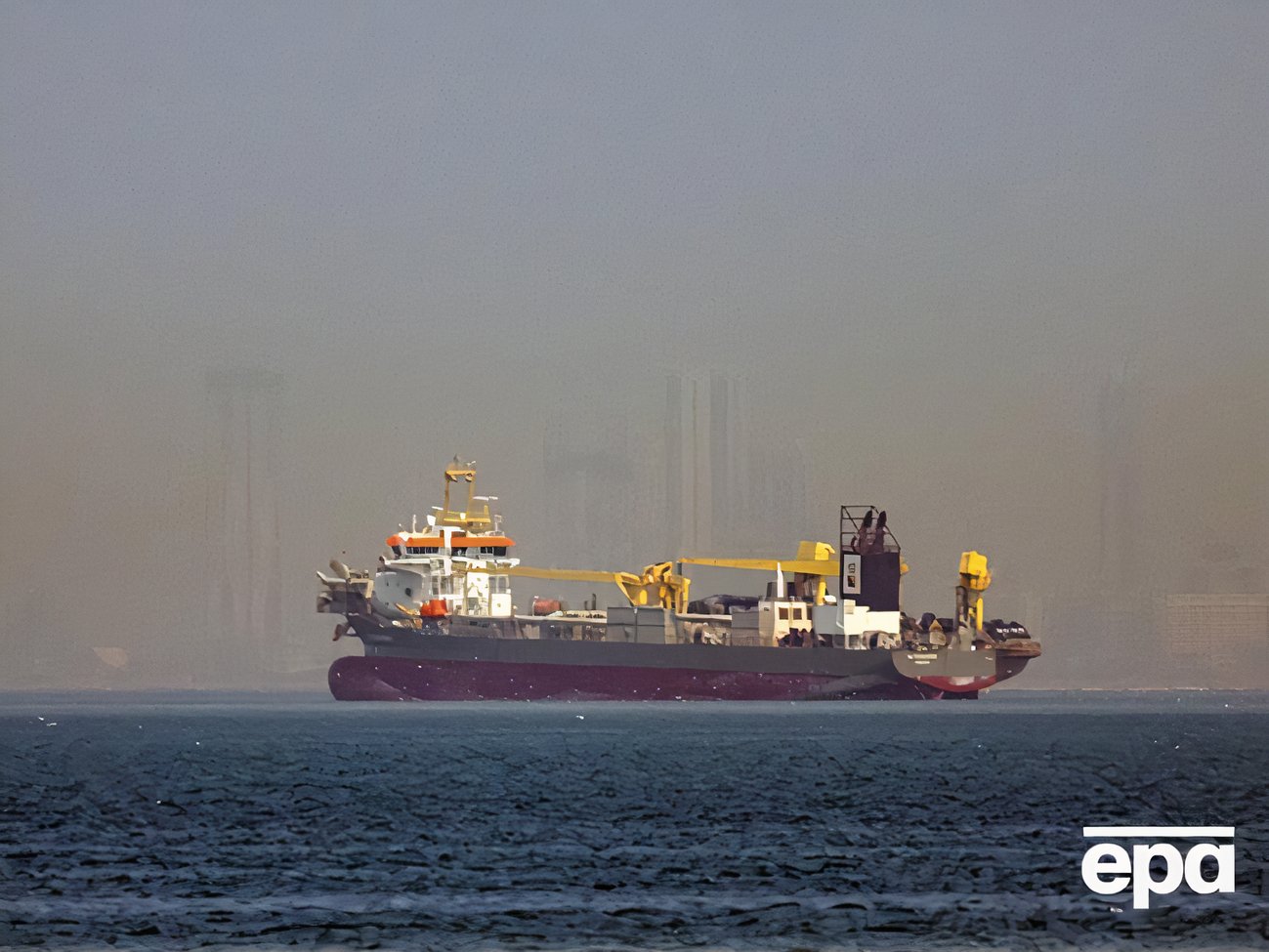
Shipping through the Strait of Hormuz, through which about a fifth of global oil and LNG trade passes, came to a virtual standstill over the weekend. Following US and Israeli attacks on Iran and retaliatory attacks in the region, a number of shipowners have suspended passage through the narrow sea corridor. Tehran said the strait remained open but claimed responsibility for the attacks on the three tankers.
Additional tension was caused by the announcement that the Ras Tanura refinery in Saudi Arabia had suspended operations after a drone strike. The enterprise is capable of processing up to 550 thousand barrels of oil per day.
Analysts warn of high volatility. Citigroup raised its short-term forecast for Brent to $85 per barrel and did not rule out a jump to $120 in the event of impacts on regional infrastructure. Rystad Energy believes it is possible for prices to rise to $100 in the event of prolonged outages in the strait.
Goldman Sachs puts the market's current “risk premium” at about $18 a barrel, reflecting fears of a six-week traffic shutdown. JPMorgan believes that the disruptions are largely preventive in nature, but with a protracted conflict, the Gulf countries may face a lack of export capacity and forced production cuts.
A number of experts note that Iran has limited capabilities for a long-term closure of the strait, and the price surge may turn out to be short-lived with a quick de-escalation.