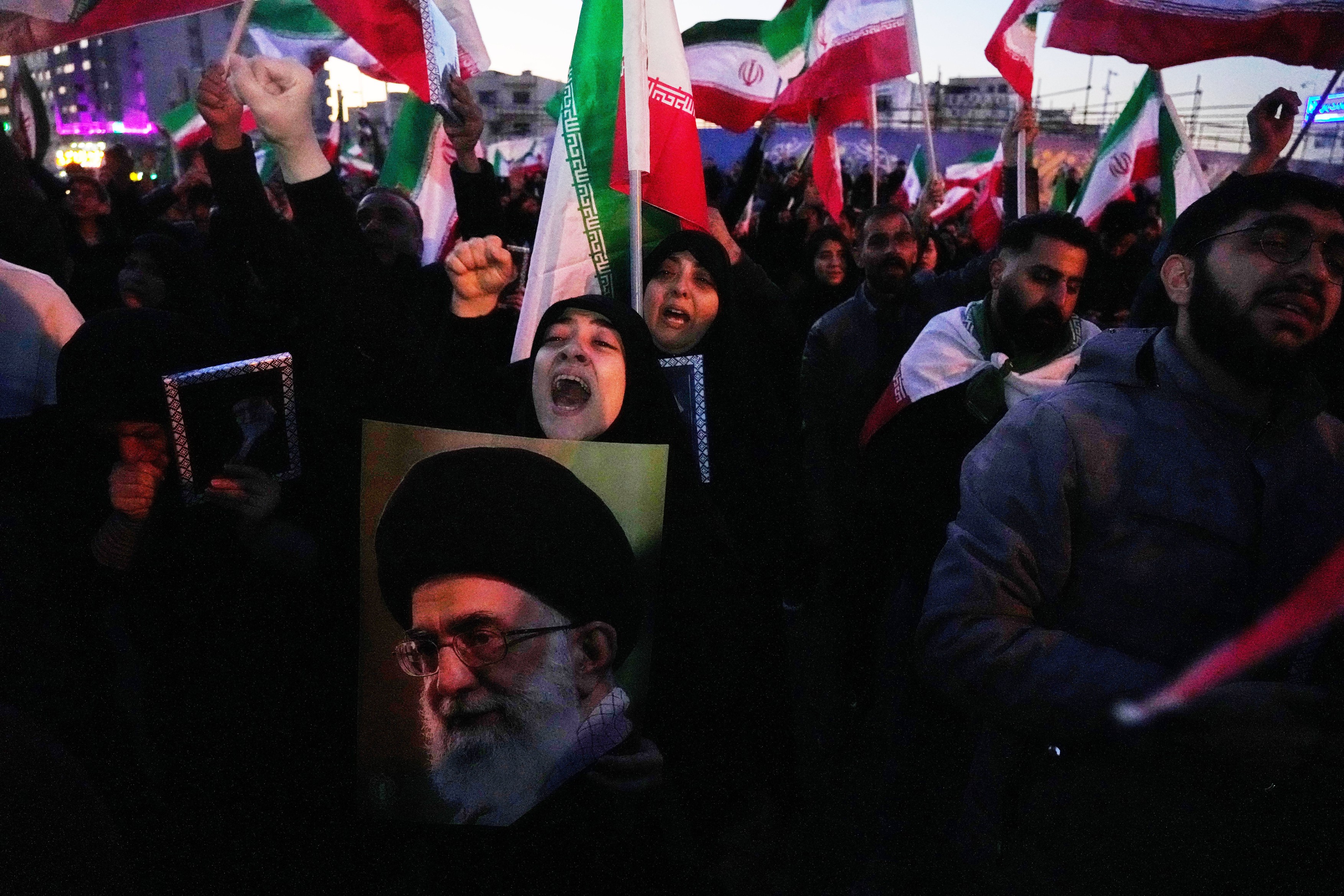
Trump keeps the world in suspense over Iran: The latest information on the situation in the Middle East / Another major country evacuates its embassy from Tel Aviv

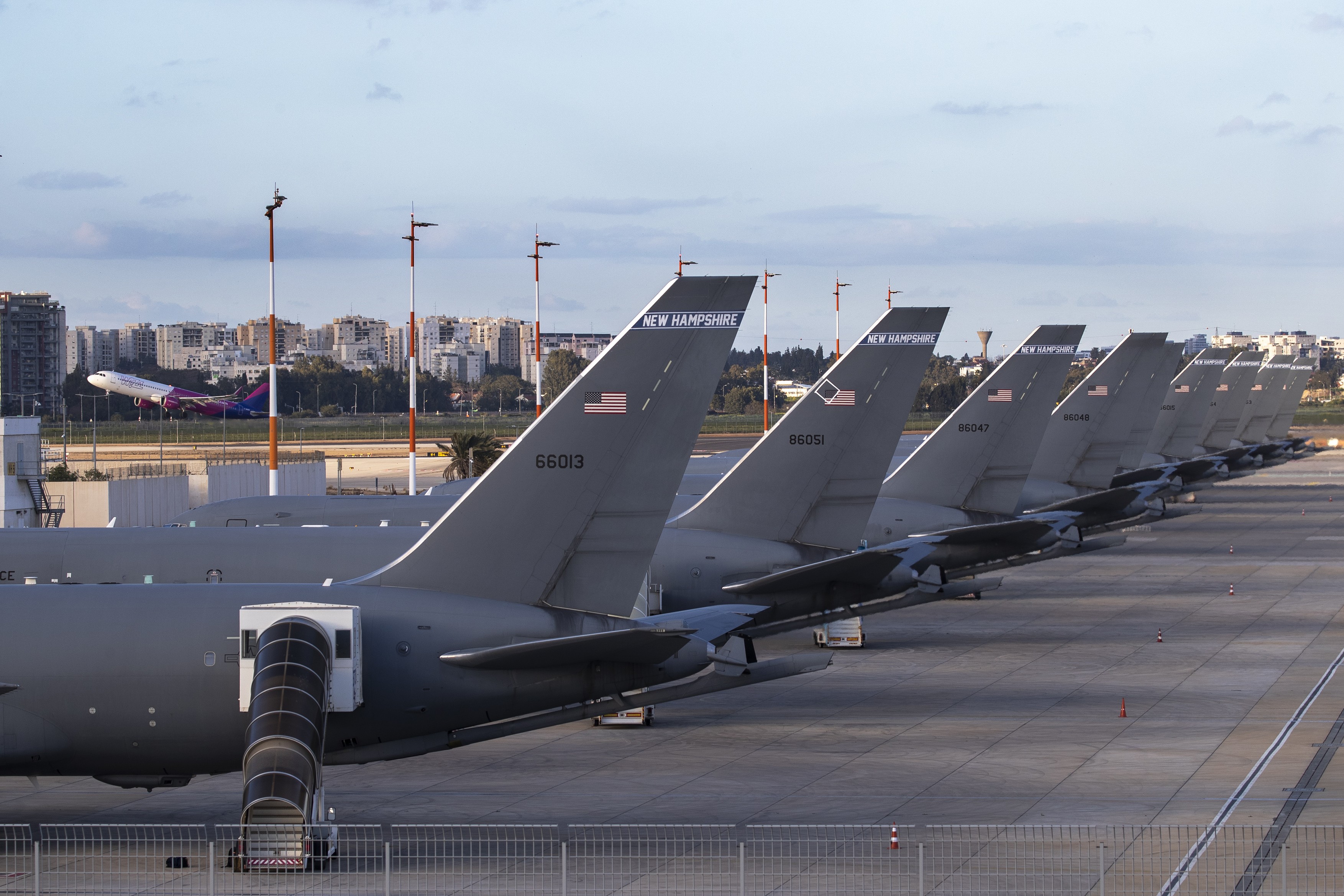
Donald Trump keeps the world in suspense: The US president said he was unhappy with Iran, but said he had not made a “final decision” on possible attacks, while the Omani mediator boasted that a solution had been found in negotiations to avoid war, writes AFP.
The situation in the Middle East remains extremely tense with the huge air and naval force massed by the United States around Iran, and numerous countries have issued warnings for their citizens to leave Iran and Israel or announced measures on diplomatic personnel.
The latest major nation to make such a decision is Canada, which announced overnight that it was moving its non-essential diplomatic staff from Tel Aviv.
“I haven't made a final decision,” Trump said
Trump said late Friday that he was “not very happy with the way the Iranians are negotiating,” a day after the third session of talks in Geneva, brokered by Oman.
But “we have not made a final decision” on possible strikes, he said, amid a massive US military deployment in the Middle East, the largest in decades, and fears of a regional escalation in the event of a US strike.
The US president said he wanted to reach an agreement with Tehran, but warned at the same time that “sometimes you have to” use military force.
Donald Trump on February 19 issued an ultimatum of “10-15 days” to decide whether a deal is possible or whether he will resort to force.
The new tensions arose after the bloody crackdown in January of a large protest movement by Iranians, whom Donald Trump had promised would come “to their aid”.
Oman's mediator says Iran has accepted something
The head of Oman's diplomacy gave assurances on Friday evening that progress had been made in the negotiations, saying that Iran had agreed not to stockpile enriched uranium. If you can't stockpile, you can't make a bomb, said Badr Albusaidi.
“It's something completely new that makes the (uranium) enrichment argument much less relevant because now we're talking about no storage,” he explained to CBS.
“Peace is within reach,” Omani Badr Busaidi wrote on X Friday, saying he met in Washington with Vice President JD Vance.
Earlier in the day, Donald Trump had asked Iran not to carry out “any kind of enrichment” of uranium. “You don't need to enrich uranium when you have so much oil,” he told reporters during a visit to Texas.
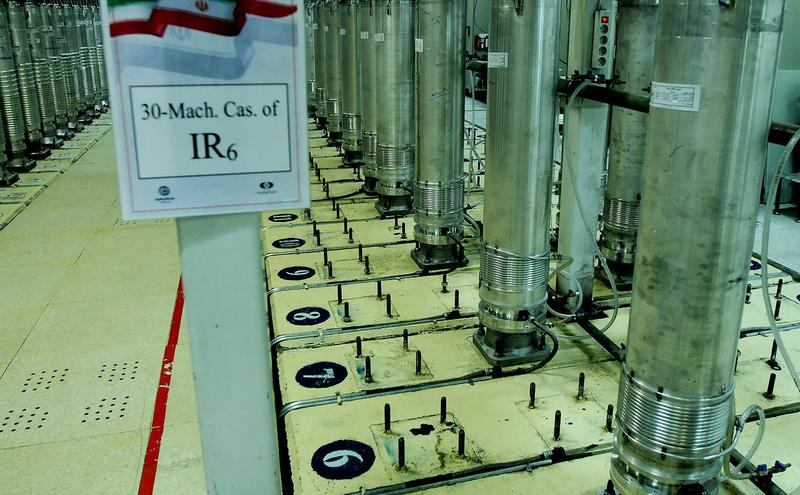 Iran no longer allowed verification of its nuclear program since 2025 attacks / Where it hid its uranium enriched to 60% purity
Wave of diplomatic evacuations and warnings to foreigners in the region
In this tense context, the United States on Friday recommended that non-essential personnel of its embassy in Jerusalem leave Israel – its ally and sore enemy – because of “risks to their safety”. “Find a plane to any destination. TODAY,” the ambassador told his staff in an email leaked to US media.
During Friday evening, countries such as Britain, China, France, Germany, Italy and Poland also issued warning messages to their citizens in Israel or the region. Romania also announced that it is voluntarily repatriating non-essential personnel from Israel.
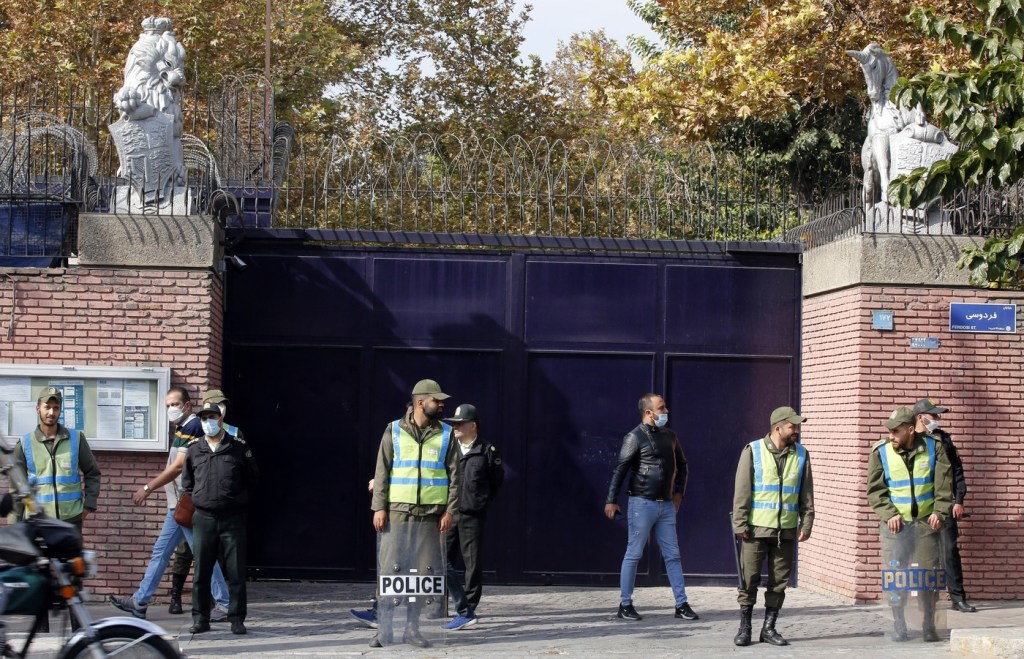 Tension in the Middle East, where the threat of strikes against Iran is looming. Withdrawal of diplomatic staff, several countries warn their citizens / MAE announcement with Romania's decision
US Secretary of State Marco Rubio will travel to Israel on Monday – a country that Iran struck in June in response to an Israeli attack on its territory -, the State Department announced.
He announced that Washington had included Iran on a blacklist of countries that practice “unjustified detentions” on Friday and called for the release of American citizens wrongfully held in Iranian prisons.
The Americans also want to limit Iran's ballistic programs
The United States has sent two aircraft carriers to the region, including the Gerald Ford, the world's largest, which is believed to have arrived near Israel after leaving Crete on Thursday.
Accusing Tehran – which it denies – of wanting to build an atomic bomb, the United States is pushing for a total ban on uranium enrichment, while Iran defends its right to civilian nuclear power.
Washington also wants to curb Iran's ballistics program, a matter Tehran refuses to address.
Iran's foreign minister, Abbas Araghchi, on Friday urged the United States to avoid “any excessive demands”, tempering the optimism he had shown a day earlier at the conclusion of the talks. He had boasted on Thursday of “very good progress” in talks with the United States.
A new session is to be held “very soon” after talks “between technical teams” on Monday in Vienna, Austria, assisted by “experts” from the International Atomic Energy Agency (IAEA), he added.