The bid for the Olympic Games that stuns Europe » Politicians have discovered a gold mine, despite the colossal costs

Article by Oana Duşmănescu – Published Friday, February 27, 2026, 11:15 / Updated Friday, February 27, 2026 11:15
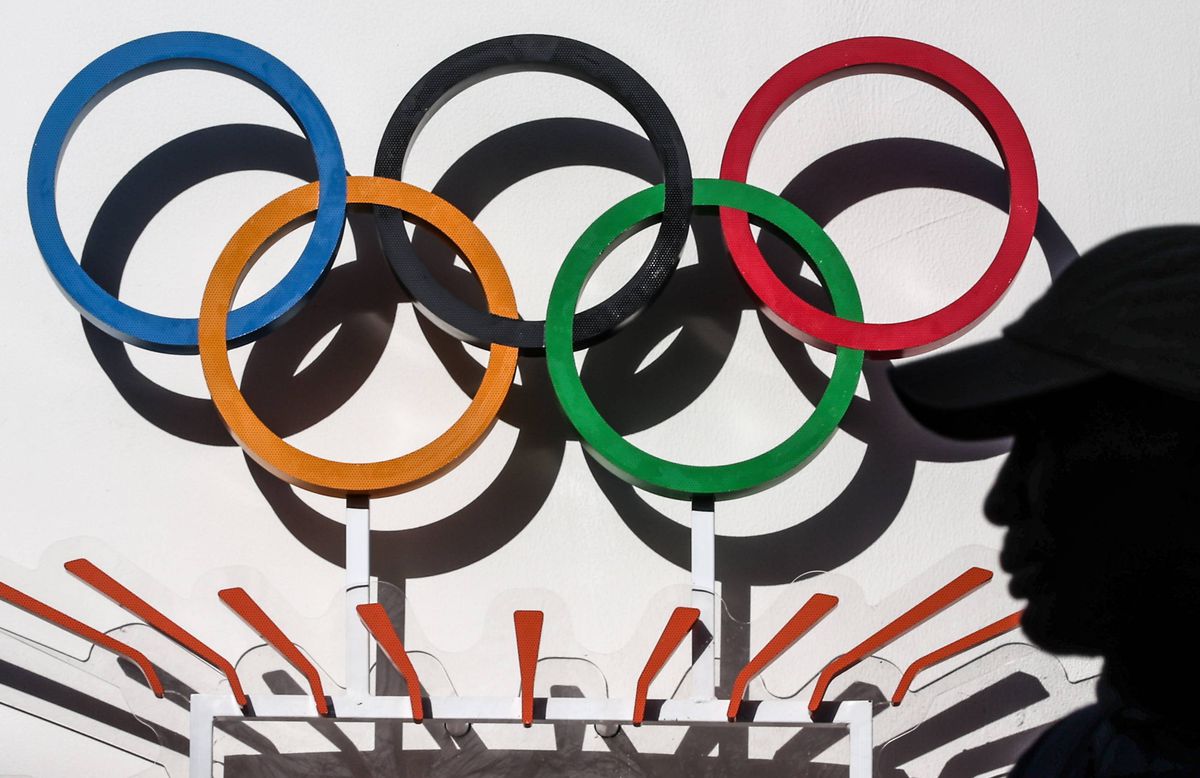
After the success of the Winter Olympic Games in Milan-Cortina, Italy is considering submitting its candidacy file for the organization of the Summer Olympics, the 2036 or 2040 edition. The American publication Politico writes that Italian politicians have discovered an electoral gold mine in the country's Olympic potential.
The Milan-Cortina Winter Olympics sparked a real wave of national pride, turning the initial skepticism about the success of the great competition that took place in the Dolomite Alps from February 6-22 into a real national celebration.
Flags appeared on the balconies, Italian athletes became heroes, and Italy collected an impressive number of trophies – finishing 4th in the final standings with 30 medals, including 10 gold, behind Norway, the USA and the Netherlands.
For the right-wing government of Giorgia Meloni, the Olympics provided an excellent opportunity to “project the image of organizational competence and strengthen its international influence,” notes Politico.
Almost immediately after the last medals were awarded, attention turned to a possible bid for the Rome Summer Games in 2036 or 2040, despite the fact that most countries rather abandon such projects because of the astronomical costs and the dangers they present to the environment.
Hosting the summer Olympics is “a dream that we all silently cherish”, admitted the Minister of Sports, Andrea Abodi, in front of journalists in Cortina.
In 2016, Rome withdrew its bid for the 2024 Summer Olympics due to debt issues and cost overruns
However, Giovanni Malagò, head of the Milan-Cortina 2026 organizing committee, said the success of the Winter Games could reopen the way for Rome's bid for the summer Olympics.
Malagò stated that it is premature to discuss this topic, “but Rome has two advantages: a unique history, including as an Olympic city, and extraordinary sports structures, such as the Olympic Stadium.” The Italian capital also hosted the Summer Olympics in 1960.
Luciano Buonfiglio, president of the National Olympic Committee, said Italy should take advantage of the boost created by Milan-Cortina. “At a time when we have international credibility, it is within our power to present a solid candidacy,” Buonfiglio told an Italian radio station.
A candidacy file for the summer Olympics would speed up the work in the Italian capital and solve the transport and infrastructure problems
Carlo Calenda, leader of the centrist Azione party, told Politico that the Olympics would be “a good thing” for Rome and could provide direction in the direction of the city's development. Although Rome still faces traffic and waste management problems, Calenda argued that holding the summer Olympics would help speed up long-term plans.
The subject could also boost the race for the mayor of Rome, which will elect its main mayor in 2027. The current mayor, Roberto Gualtieri, is also of the opinion that the Olympic Games would provide continuity to the transformation of the Italian capital. “I'm ready to contribute,” he said.
Supporters such as Alessandro Onorato, Rome's municipal councilor for sports, already have spectacular images in mind: rowing on the Tiber, marathon runners crossing the finish line under the triumphal arches of Rome and fencers dueling “in the shadow of the Colosseum”.
Others, such as former prime minister Matteo Renzi, stepped in to propose alternative host cities such as Florence and Venice.
The Olympics provide “an ideal space for PR,” explained analyst Leo Goretti of the Istituto Affari Internazionali.
If the country will have results both from an organizational and competitive point of view, “these events can strengthen the image of political leaders. Unless a major accident occurs, they inevitably end up providing a positive platform for dialogue and political capital,” he added.
For a country that often describes itself as chaotic and dysfunctional, Milan-Cortina 2026 demonstrated that Italy can successfully manage complex global events, writes Politico.
A bid for 2036 or 2040 could face stiff competition from other emerging economies, however, and questions of cost would quickly resurface. The long-term profitability of infrastructure investment remains uncertain, Goretti warned.