According to research by Bellingcat, The Insider and the BBC, before his murder, Nemtsov was followed by members of the FSB unit, which was later linked to the poisoning of oppositionists Alexei Navalny, Dmitry Bykov and Vladimir Kara-Murza.
Nemtsov's 42-year-old daughter continues her father's political legacy. Through the Foundation founded in Germany in 2015. Boris Nemtsov is committed to democracy, human rights and independent media, and supports persecuted oppositionists from Russia. In 2024, Russian authorities classified the foundation as an “undesirable organization”.
In Munich, I felt mainly sadness and hopelessness. People like Navalny and my father are extremely rare. Courage alone is not enough to play an effective political role in an authoritarian system. You have to be smart, creative, extremely hard-working — and willing to take big risks. When such personalities disappear, it is not a loss that can be quickly replaced. New ones do not automatically appear – and certainly not under dictatorship.
I respect many of these people very much. Many of them were political prisoners and took enormous risks. But currently I don't see anyone formulating a program that will really move communities – in Russia or abroad.
In the case of Navalny it was different. When he proposed something, people acted. “South against Putin” was a symbol [Nawalny, który był wówczas w więzieniu, wezwał swoich zwolenników, aby 17 marca 2024 r., w ostatnim dniu wyborów prezydenckich, o godz. 12 w południe ustawili się jednocześnie przed lokalami wyborczymi w całym kraju, aby w ten sposób wyrazić widoczny, ale możliwie najmniej ryzykowny znak protestu przeciwko Władimirowi Putinowi]. At the moment, I don't see the ability to formulate goals that mobilize people. And yes, it is a loophole.
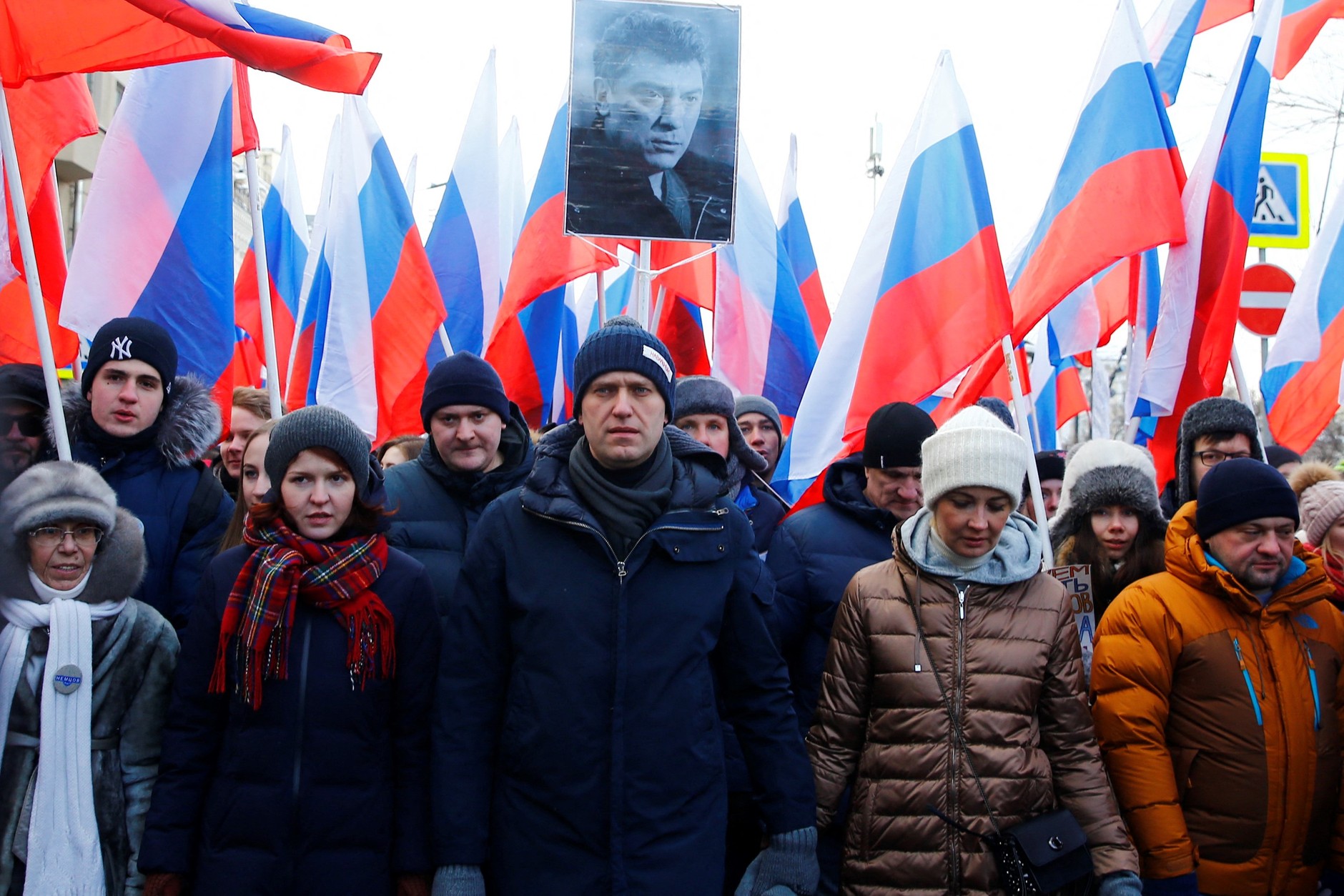
Alexei Navalny with his wife Yulia during the march commemorating Boris Nemtsov in Moscow, 2018.SEFA KARACAN / AFP
Many prominent Russian opposition figures currently live abroad. Is it even possible to exert political influence from exile?
What is decisive is not the place, but what is said – and whether it meets society's needs or merely formulates them.
There is a huge Russian community outside the country. Many Russians are not classic “political emigrants”, but people who did not want to take part in the war. After February 2022, hundreds of thousands of people left.
I deal with private assets of natural persons frozen as a result of Western sanctions and not covered by sanctions. These people are not on any list, but they still do not have access to their savings. This applies not only to Russians, but also to Ukrainians, Kazakhs or people with dual citizenship – in short: anyone who invested through Russia's financial infrastructure. If we talk about my father's legacy, the right to private property is one of his core values.
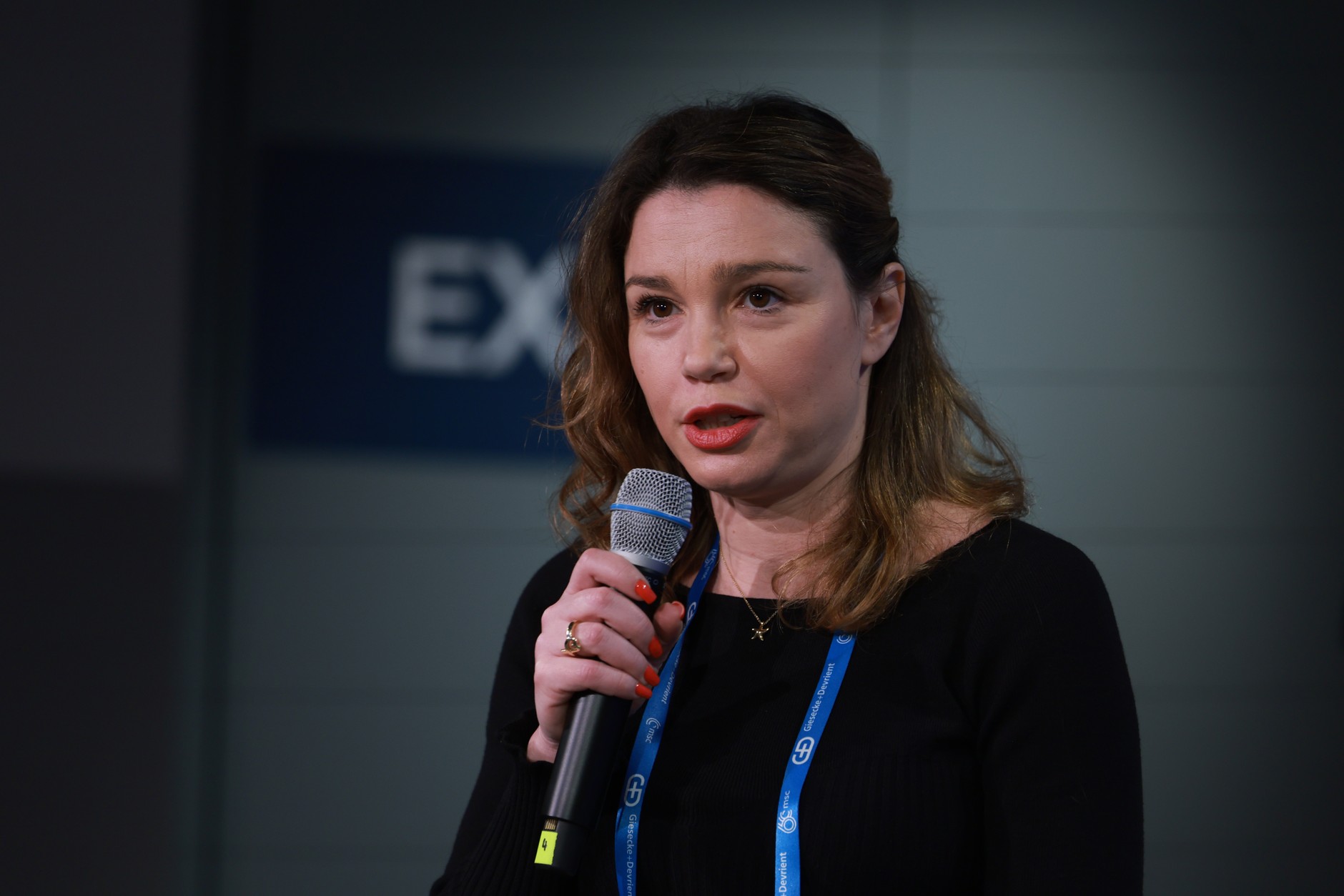
Zhanna Nemtsova, 2024JOHANNES SIMON/Getty Images
And is there still political potential in Russia?
Many have their hands tied. It is difficult to be an effective political figure in such conditions. Even without repression, politics is difficult – and with repression, it is almost impossible. That's why I don't believe in expectations that “a new Vaclav Havel must appear now” [działacz antykomunistyczny, ostatni prezydent Czechosłowacji i pierwszy prezydent Czech]. Flowers will not grow on scorched earth. If there is no political public space, young, talented people do not engage in politics. They choose fields where there are prospects. If you can't get elected, if you don't have a platform – why would anyone take the risk?
Your father took the risk anyway. In 2014, he stayed in Israel for a short time to avoid possible arrest. He could have stayed there – why did he come back?
He hoped the worst wouldn't happen – but he didn't rule out the possibility. He was aware of the risks. It was clear to him: if he left Russia, he would give up the political fight.
He didn't want this. He didn't want to go to prison, but he also wasn't ready to retreat into safe exile as long as he believed he could still make a difference in the country.
He wanted to fight until the end. This reminds me of Navalny. Such people know what they are risking – even if they hope that everything will turn out well.
Do you remember February 27, 2015 – the day your father was murdered?
The next morning my mom and I wanted to fly to Italy. Just after midnight her phone rang. A friend said: “Boris has been killed.” My mother screamed – at first I thought someone had broken into the apartment. I didn't believe it. It wasn't until I read about it on CNN that I understood what had happened.
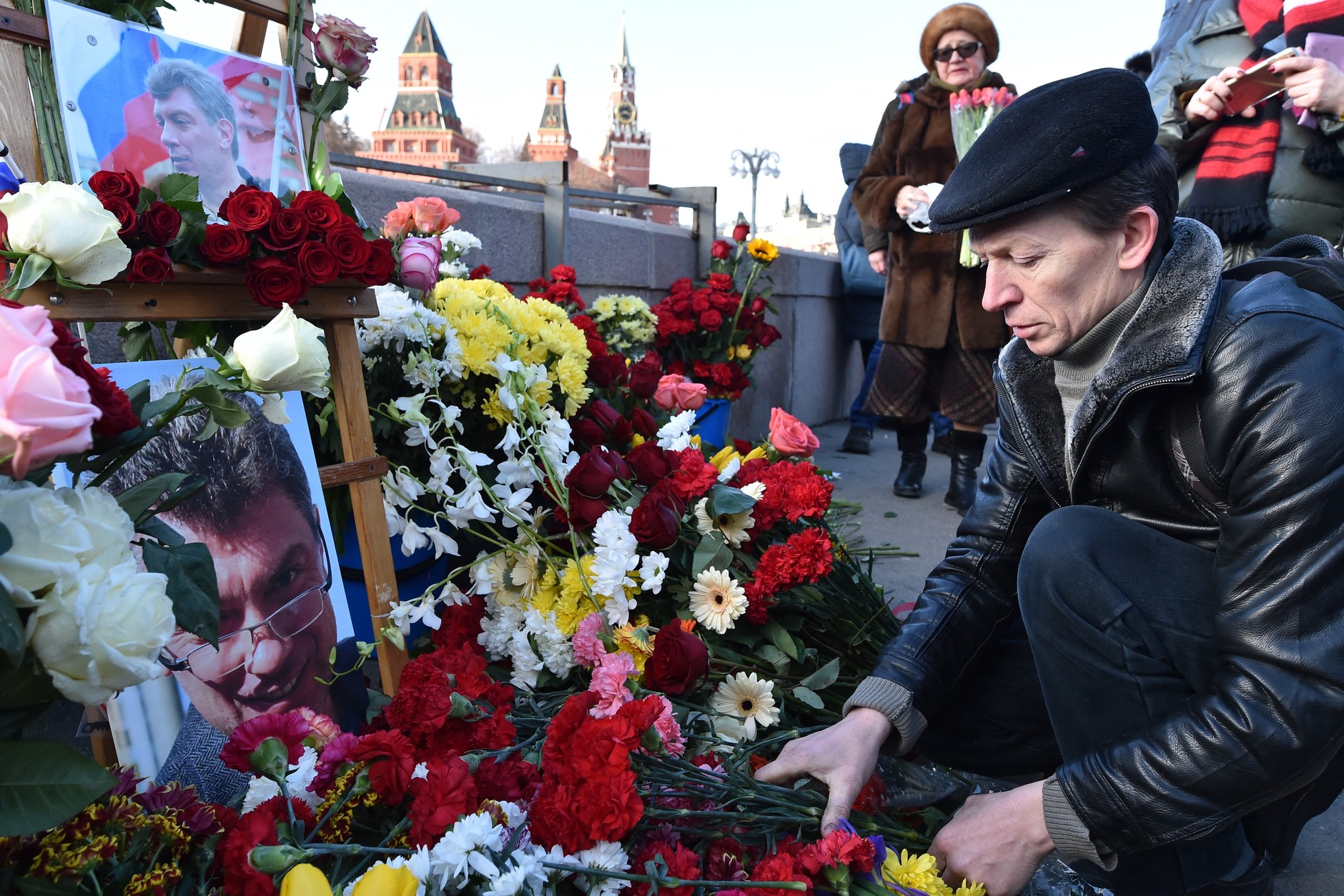
We took a taxi to the crime scene. The radio kept broadcasting the news: “Boris Nemtsov was shot.”
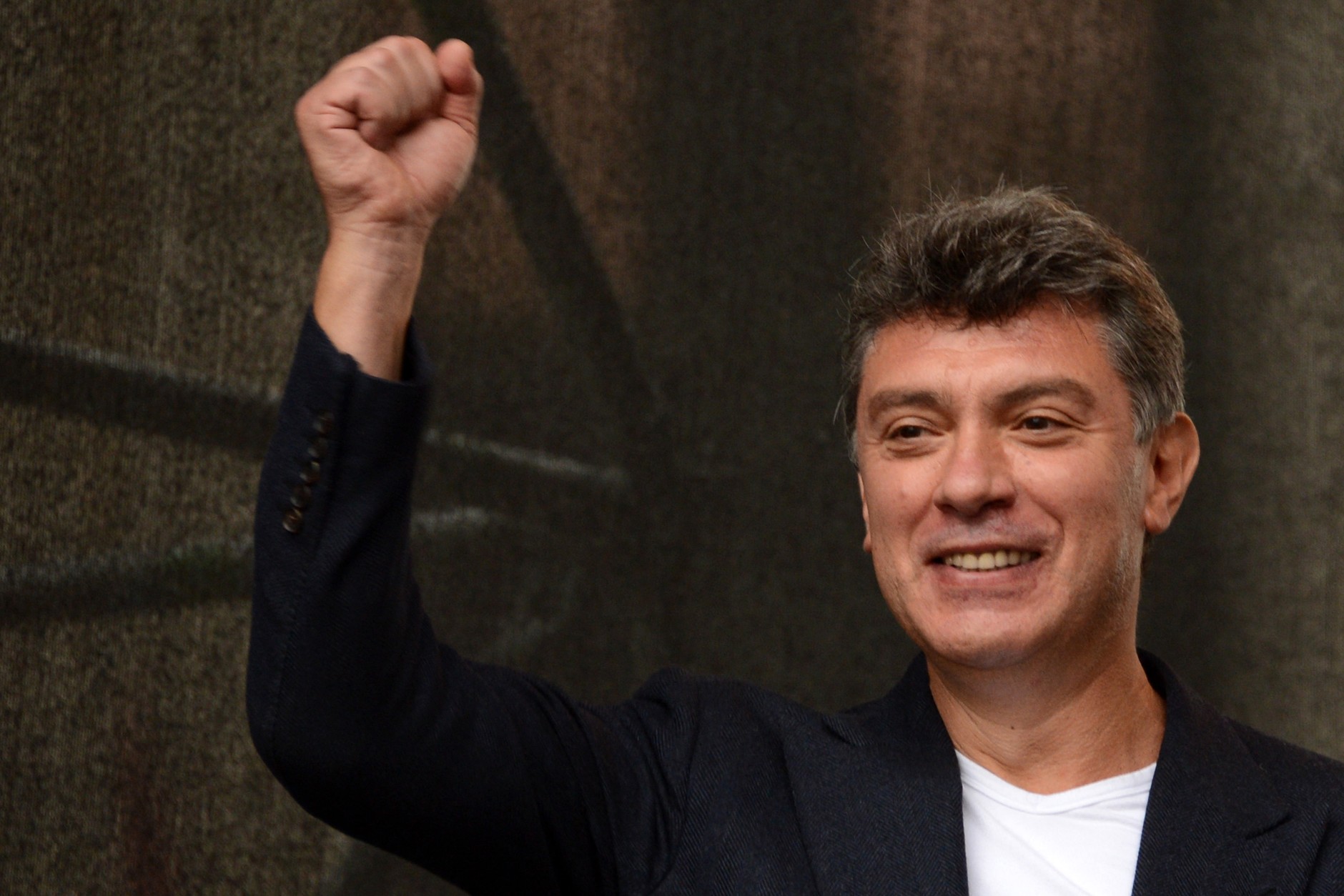
Boris Nemtsov, 2012Kirill Kudryavtsev / AFP
The driver said something inappropriate. When I said, “I am his daughter,” he fell silent. When we got there, everything was closed and the body had already been taken away.
And then the question arose: how should I tell my grandmother about this?
Your grandmother later talked about a premonition.
Yes. After the annexation of Crimea, she wrote a letter to my father and asked him not to publicly criticize Putin – not because she supported the annexation, but because she sensed danger. There was real euphoria in Russia about Crimea at that time. Critics were branded as “traitors to the nation.” My grandmother realized that a red line had been crossed.
Was Crimea the cause of the murder?
Crimea was the point of no return. Putin has thus shown that he is no longer interested in the opinion of the West. I then told my father that Putin had crossed a red line, a clear violation of international law — and if he was willing to tangle with the West, the opposition at home would be under even more pressure. Did the murder take place “only” because of Crimea? I think it was the sum of all the factors.
But Crimea was a trigger.
Tens of thousands of people took part in a funeral march after your father's murder. What feelings did it evoke?
Honestly, I was surprised.
We were all convinced by propaganda that Nemtsov was unpopular – even Nemtsov himself. When you hear it over and over again and can't verify it, you end up believing it. I thought: maybe only a few people will come, maybe people are afraid. Then I saw the crowd — and felt support.
Residents of Moscow commemorate the murdered Boris Nemtsov on the anniversary of his death, 2016.Kirill Kudryavtsev / AFP
Five perpetrators have been convicted, but the principals have not been revealed to this day. Have you come to terms with it?
I was never naive enough to believe that the Russian system would officially reveal the perpetrators and consider the murder a political crime. However, I am missing information. There are so many unknowns: where is the surveillance footage from the bridge? The services claim that they were turned off. We don't believe it. How was this decision made “at the top”? What role did Kadyrov and Putin play? This is the key question. Today we know much more about the attacks on Navalny than about the murder of my father. I hope that in 10 years we will know more – because power relations may change.
What do you think your father's legacy is?
At a conference in Munich, a senior official once said: “values don't work – interests are decisive.” I think this is not true. My father put values before business. His “interest” would be to stay alive. However, he decided otherwise.
These values were: education, enlightenment, freedom of information, human rights, and protection of property. As governor of Nizhny Novgorod, he pioneered reforms that strengthened the position of small and medium-sized owners. These are the values that our foundation strives to continue.
I’m Ashley Davis as an editor, I’m committed to upholding the highest standards of integrity and accuracy in every piece we publish. My work is driven by curiosity, a passion for truth, and a belief that journalism plays a crucial role in shaping public discourse. I strive to tell stories that not only inform but also inspire action and conversation.