The space race in the 1960s was ruthless. After Yuri Gagarin's success in 1961, the Soviet Union wanted to maintain its advantage over the United States. The authorities wanted to achieve success at all costs.
“Devil ship! Nothing I touch works properly!”
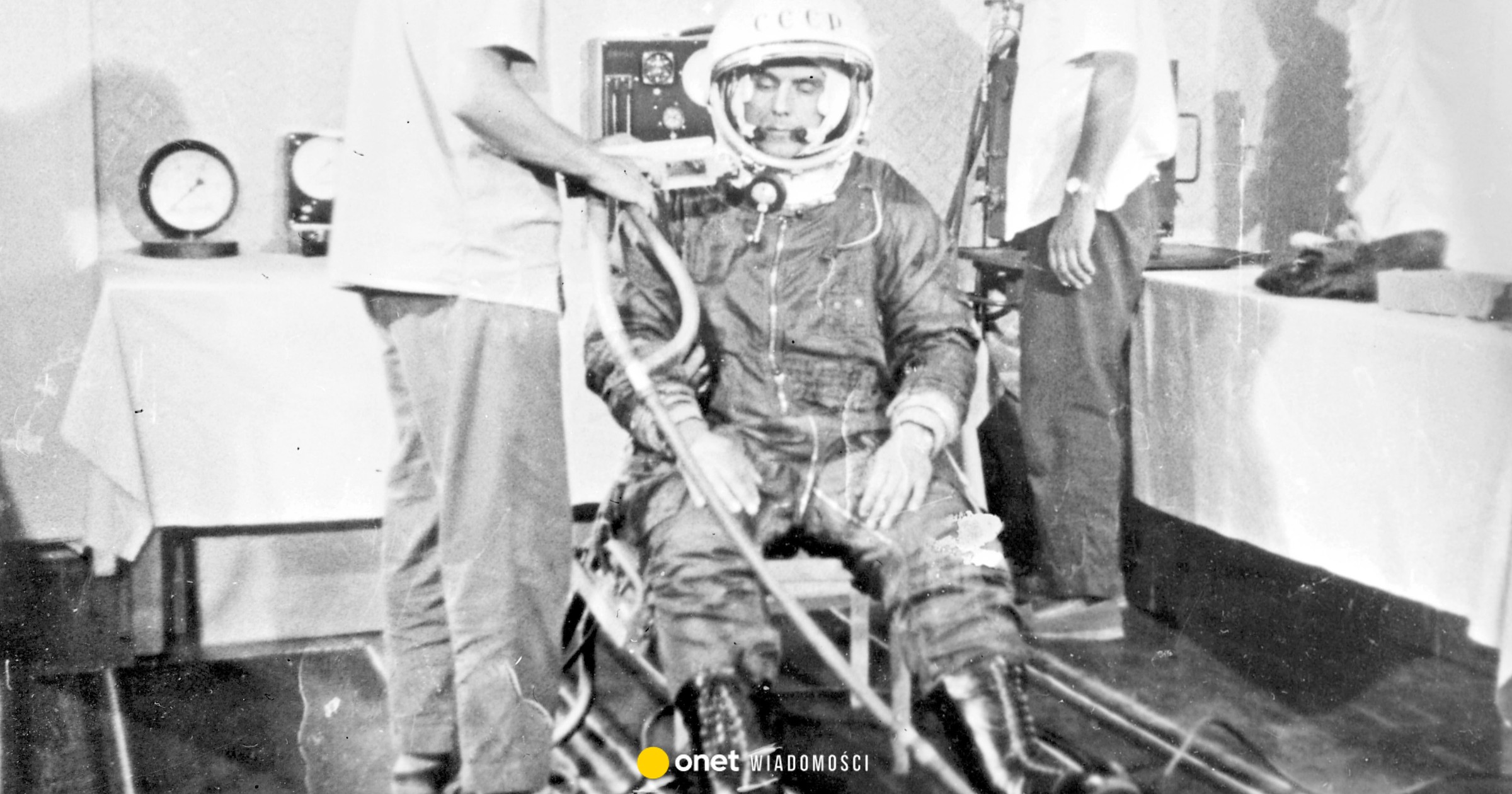
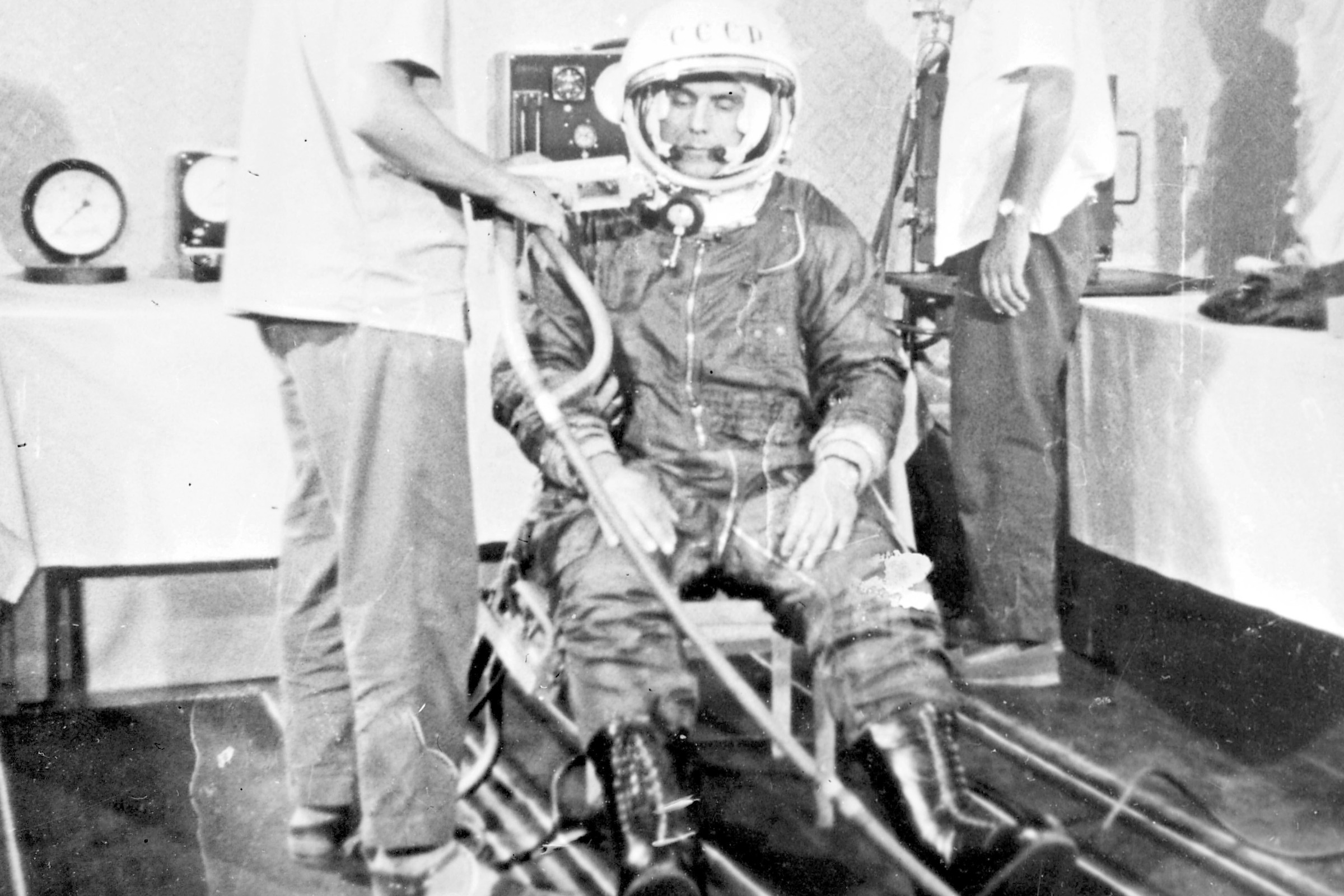
In 1967, on the 50th anniversary of the October Revolution, a spectacular stunt was planned. The two Soyuz ships were to connect in orbit and the cosmonauts would move from one to the other. Soyuz 1 with Komarov on board was to be the first stage. The second ship, Soyuz 2, launched a day later with three cosmonauts.
Who was Vladimir Komarov?
What happened on April 24, 1967?
What were Komarov's last words?
Why did Komarov decide to fly despite the threats?
Serious problems arose already during the preparations. Engineers discovered more than 200 defects in the design of Soyuz 1. The craft was a prototype, tested in a hurry. The solar panel did not work properly, the orientation systems were malfunctioning, and designers warned that the mission was too risky. Still, the Kremlin pressed on. Politics, as usual, was more important than security in this country.
Komarov, an experienced pilot and engineer, knew about the threat. According to reports, he and Yuri Gagarin, the understudy for this mission, personally inspected the ship and were horrified by its condition. There is an anecdote that Komarov agreed to go because if he refused, the mission would be entrusted to the second in line. He allegedly told his friend that he would fly because he did not want Gagarin to die.
On April 23, 1967, Soyuz 1 launched. Problems started almost immediately. One of the solar panels did not deploy. The ship was unstable and difficult to control. After a dozen or so orbits, ground control decided to return earlier.
During descent from orbit, everything failed. The main parachute failed to open and the spare parachute became entangled. The capsule fell like a stone.
Official Soviet transcripts state that Komarov's last words were calm: “I feel great, everything is fine. Thank you for sharing the information.”
However, American listening stations in Turkey intercepted a completely different transmission. Komarov allegedly shouted in despair and anger: “That devil ship! Nothing I touch works properly!” Harsh words were to be spoken: “You killed me, you bastards!” and “I curse those who put me here!” He allegedly cried and hurled curses at constructors and decision-makers.
Russian state archives deny this – according to them, Komarov remained calm until the end. Some historians consider the curse story to be a myth, reinforced by Cold War propaganda.
The fact is that the Soyuz 1 disaster shook the USSR's space program. Further flights were delayed by 18 months and corrections were made. Komarov was buried with honors within the walls of the Kremlin, but his death revealed the dark side of the Soviet program – haste, negligence and the human costs of political ambition.
“The Man Who Fell From Space”. Komarov was aware of the threat
Komarov grew up in a poor family in Moscow. His father was a worker and his mother was a housewife. He had a half-sister, Matilda. From an early age, he was fascinated by aviation: he built airplane models and collected materials about aviation. During World War II, at the age of 15, he entered a special aviation school of the USSR Air Force. He graduated with honors in 1945 and then continued his education at higher aviation schools. In 1949, he obtained the rank of lieutenant and pilot wing. In 1959 he graduated from the Academy of Aviation Engineering. Żukowski, obtaining the title of senior engineer-lieutenant.
After graduating from school, he served as a fighter pilot in fighter aviation regiments in the Caucasus and the Prikarpatia region. In 1952 he was promoted to senior lieutenant, and in 1959 he became a test pilot at the Central Scientific and Research Institute in Chkalovsky. He flew the latest designs, gaining experience that later turned out to be crucial in the space program.
In 1960, at the age of 33 (exceeding the age limit), he was selected into the first group of cosmonauts of the USSR Air Force. Thanks to his engineering qualifications and testing experience, he remained in the program despite health problems (including surgery in 1960 and temporary exclusion due to cardiac arrhythmia in 1962). He earned the nickname “Professor” for his technical knowledge and assistance to his colleagues.
In 1964, as a commander, he led the first multi-person mission in history (with Konstantin Feoktistov and Boris Yegorov). The flight lasted over 24 hours. The crew conducted medical and navigation experiments. Following his success, Komarov was awarded the title of Hero of the Soviet Union and the Order of Lenin.
Three years later, he took part in a mission that ended in tragedy. He was aware of the fate that awaited him. He sacrificed himself to save Yuri Gagarin. He died at the age of 40. He orphaned two children. He was remembered as “the man who fell from space.”