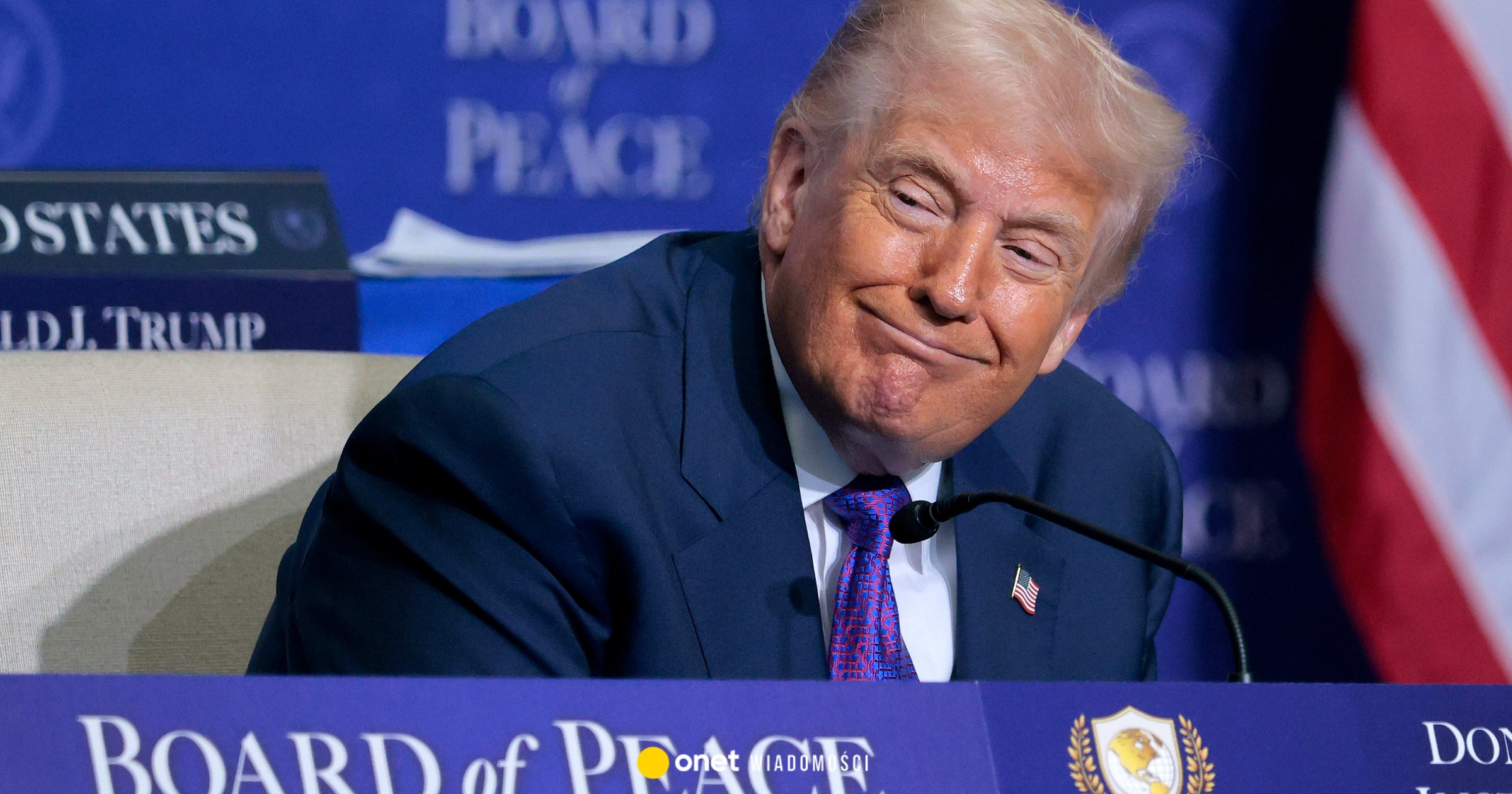
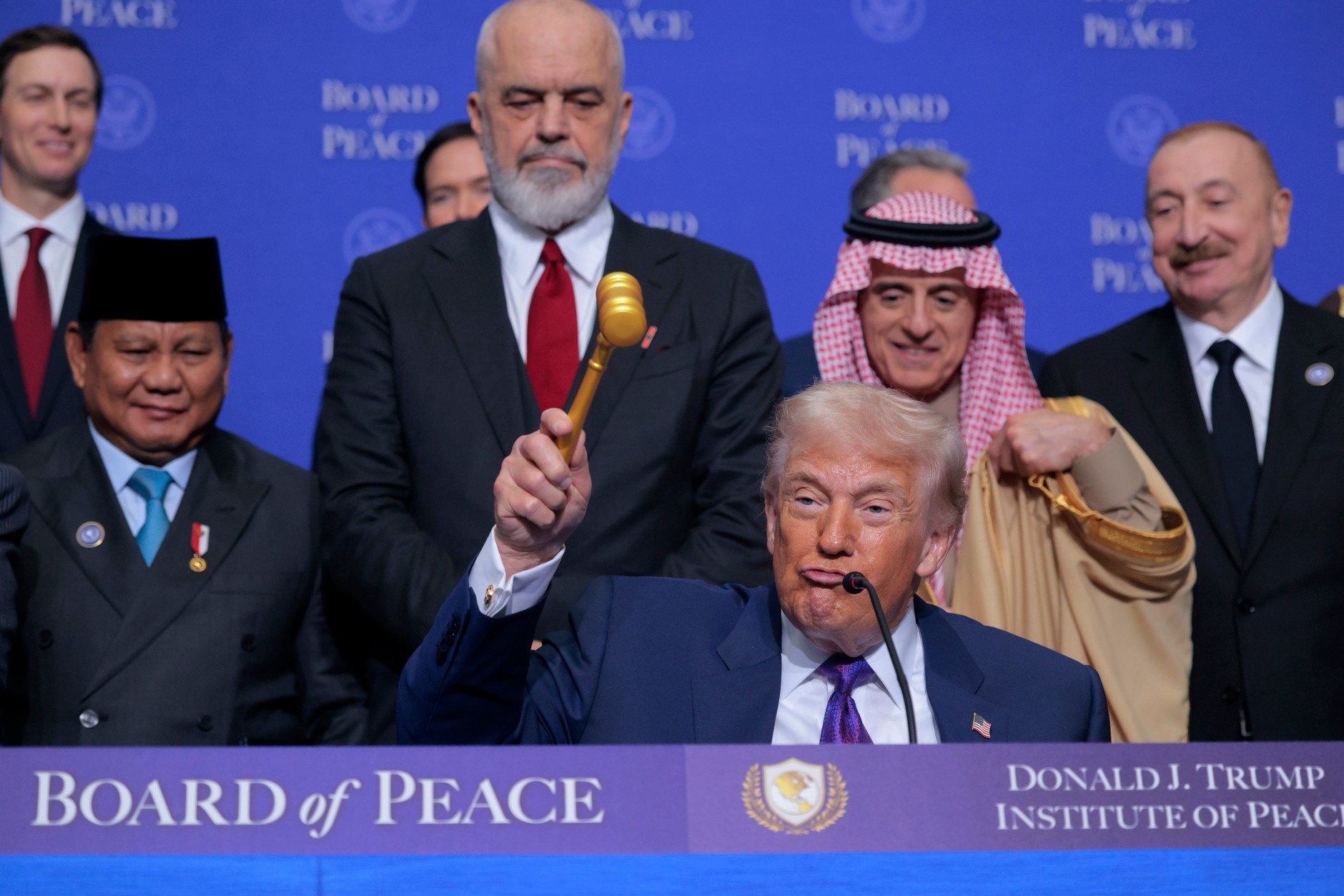
It was a “big day” for Donald Trump. The 26 member states of his Peace Council, established in Davos, were represented on Thursday by heads of state or government or ministers at the Peace Institute. Donald Trump in Washington to take part in the first meeting of the body.
A total of 50 countries were invited to join the council after paying a membership fee of $1 billion. (PLN 3,590 million). Some of them refused, others are still wondering. “Let them not hesitate,” Trump noted, inaugurating the meeting. “They're watching it on Zoom now. I hope they like it, said the US president.
The agenda included the implementation of the second phase of Trump's peace plan for the Gaza Strip. The first phase – a ceasefire, humanitarian assistance and hostage repatriation – was considered completed. Now the difficult part begins. The second phase involves the disarmament of Hamas, reconstruction and the establishment of a technocratic transitional government. Here's what was agreed at the first council meeting and what still remains unclear.
Financial obligations
Kazakhstan, Azerbaijan, Morocco, the United Arab Emirates, Bahrain, Qatar, Saudi Arabia, Uzbekistan and Kuwait have pledged a total of $7 billion. (PLN 25,129 million) for humanitarian aid in the Gaza Strip. FIFA, represented by president Gianni Infantino, promised to raise $75 million. (PLN 269 million) in the form of donations.
The money is to be paid into a fund to be managed and supervised by the World Bank, its president Ajay Banga said. Trump announced that he would allocate a total of $10 billion. (PLN 35,898 million) for the Peace Council. However, he did not say where the money would come from. Congressional approval would be required to fund them from the federal budget. It is also unclear how much of these funds will be allocated to aid for the Gaza Strip.
International stabilization forces
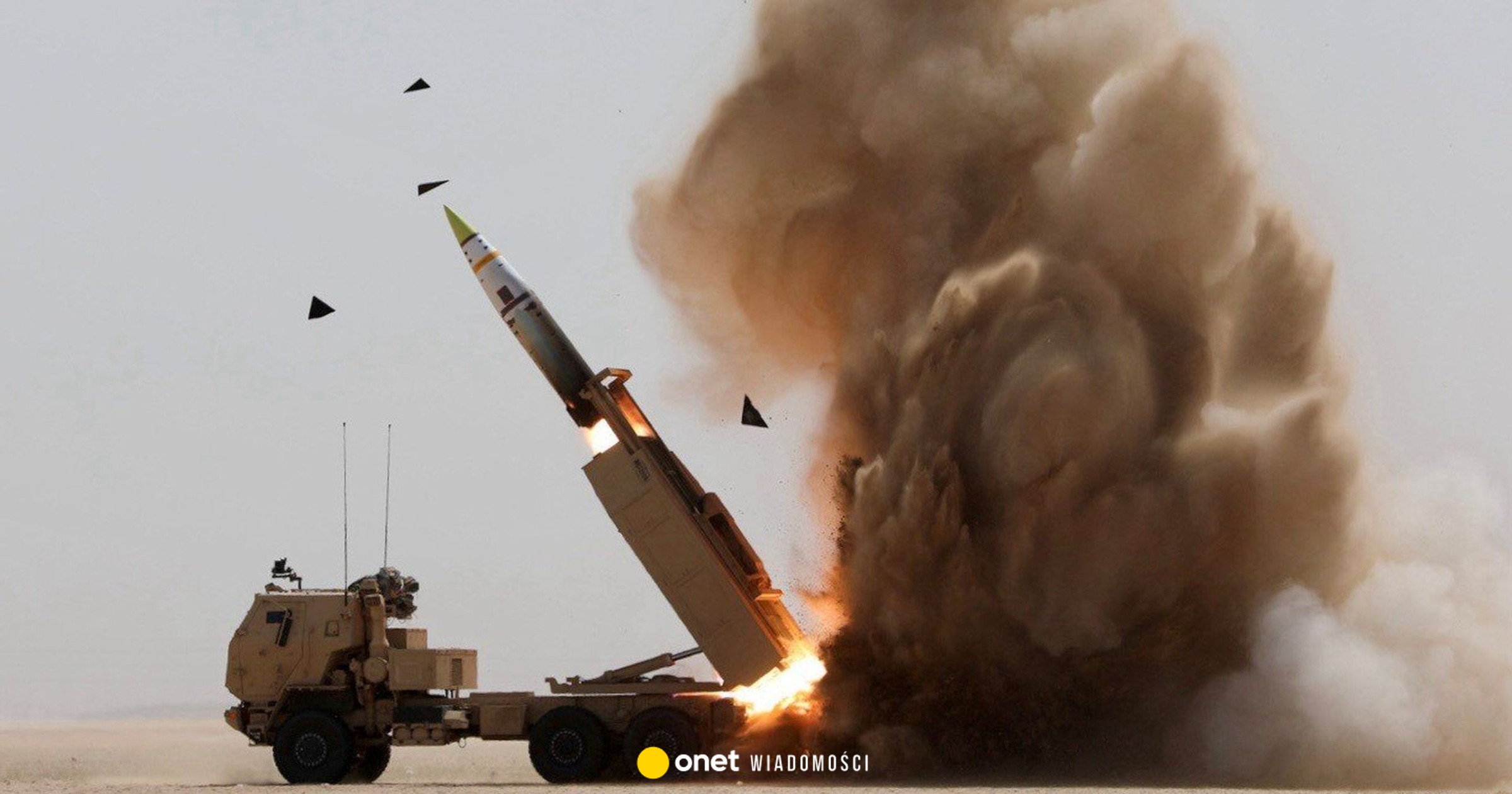
Five countries — Indonesia, Morocco, Albania, Kosovo and Kazakhstan — want to send troops as part of the International Stabilization Force (ISF), Trump announced on Thursday. Türkiye – as Foreign Minister Hakan Fidan said in his speech – is also ready to send soldiers if necessary. The total force will number 20,000. soldiers and will be commanded by American General Jasper Jeffers. Indonesia, which sends the most troops (8,000), will be given the position of deputy commander.
US President Donald Trump during the inaugural meeting of the Peace Council in Washington, February 19, 2026.Chip Somodevilla / Getty Images
The UN Security Council approved the creation of the International Stabilization Force by the Peace Council and gave it a mandate until the end of 2027. It should start operations in “two to three months” at the latest, a senior diplomat from the Middle East told Die Welt.
As reported by the Guardian, a military base for 5,000 soldiers is already planned in the south of the Gaza Strip. It will cover an area of 350 ha, be secured with 26 guard towers and equipped with bunkers and weapons warehouses. As announced on Thursday, the soldiers are to first be deployed to the region around the city of Rafah. Four more bases will be created, according to a PowerPoint presentation presented Thursday.
Apart from the ISF, a local police force is also to be formed. 5,000 Palestinian police are to be deployed within 60 days, announced the chairman of the National Committee for the Administration of Gaza (NCAG), Ali Shaat. The recruitment of policemen began on Thursday, said the newly appointed high representative of the Gaza Peace Council, Nikolai Mladenov. A former Bulgarian foreign minister is to oversee NCAG. Within a few hours, over 2,000 reports were received. In total, the police force will number 12,000. officers.
Rebuilding the Gaza Strip
For reconstruction, the Gaza Strip was divided into five sectors. Reconstruction of the region around the southern city of Rafah is expected to begin soon. 100,000 will be built there. houses for 500 thousand inhabitants. This requires an investment of USD 5 billion. (PLN 17,949 million) According to estimates by international aid organizations, a total of up to USD 70 billion is needed for reconstruction. (PLN 251 billion 286 million)
The article continues below the video
What still remains unclear?
Announcements from the first meeting of the Peace Council brought some progress. However, the timeline is still undetermined. It is unclear when humanitarian aid funds will be released — and whether state payments will actually be used solely for humanitarian aid in the Gaza Strip.
Moreover, a necessary condition for implementing both the reconstruction plans and the deployment of international armed forces and the creation of a local police force has not yet been met: disarmament Hamas. Trump did not say when this would happen. Peace Council representative Mladenov made it clear that this was just the beginning. “We now need to negotiate this matter with the parties to the conflict on the ground,” he said. However, according to a senior Middle Eastern diplomat, it seems likely that the ISF deployment will begin in parallel with the disarmament process. Disarming terrorists is also Israel's condition for the further withdrawal of its soldiers from the Gaza Strip.
It is also unclear what relationship the Peace Council will maintain with the United Nations. In addition to the entry fee of USD 1 billion. (PLN 3,590 million) This is one of the main reservations of Europeans regarding accession to the Council. The UN Security Council approved the creation of the ISF, but Trump's aspirations for this body extend beyond the Gaza Strip. The group would have “unlimited potential beyond Gaza,” he wrote on Truth Social on Sunday. On Thursday, he said the Peace Council would “almost supervise the UN and ensure its proper functioning.” At the same time, he announced that he intended to “strengthen” it.
I’m Ashley Davis as an editor, I’m committed to upholding the highest standards of integrity and accuracy in every piece we publish. My work is driven by curiosity, a passion for truth, and a belief that journalism plays a crucial role in shaping public discourse. I strive to tell stories that not only inform but also inspire action and conversation.