2026-02-19 16:22
publication
2026-02-19 16:22
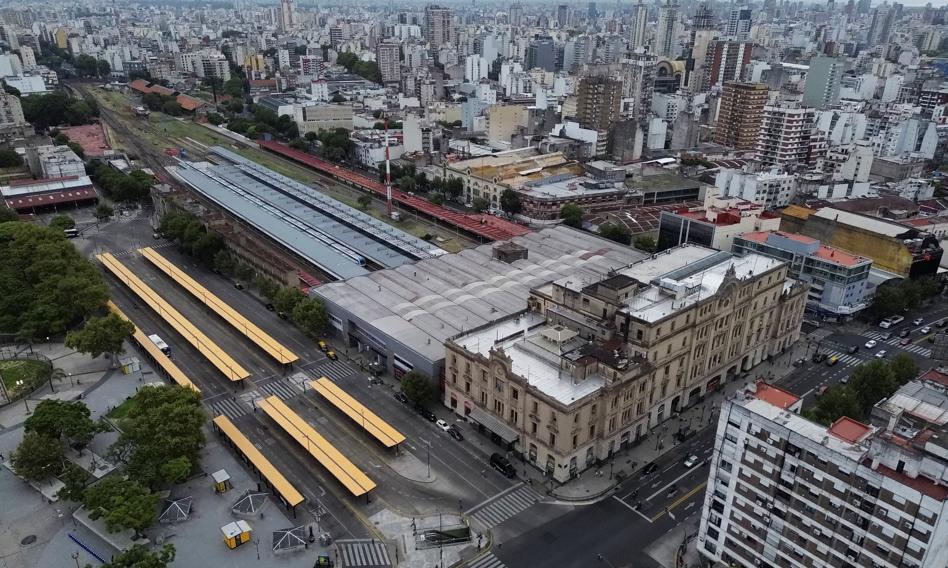
In Argentina, there is a 24-hour general strike on Thursday and protests are taking place against the reform of labor law, which is to be considered by the lower house of Congress that day. Trains, subways and most buses are not running, many shops and banks are closed, and hundreds of flights have been canceled.
This is the fourth general strike organized by the largest trade union headquarters, CGT, against the policies of libertarian president Javier Milei since he took power in 2023. This time, the largest number of employees joined the strike, the daily “La Nacion” reported.
CGT called for protests and a “total rejection” of the government's reform liberalizing labor law. According to the trade union headquarters, this reform will weaken employee protection and deepen poverty and unemployment.
The 24-hour strike began at midnight from Wednesday to Thursday local time. In addition to CGT, 13 trade unions joined it, including workers in transport, administration, the tourism and banking sectors and health care, as well as railway workers and pilots.
Aerolineas Argentinas announced the cancellation of 255 flights with approximately 31,000 passengers. passengers.
130 demonstrations and traffic blockades were announced in various parts of the country. In the Buenos Aires metropolitan area, demonstrators blocked two important access routes, but traffic was restored after the intervention of law enforcement forces. Traffic on the Pan-American Highway was also suspended for a short time.
The project to change labor law is a key element of broad economic reforms promoted by Milei, who seeks to dismantle the welfare state and rebuild the country based on a liberal model.
The act, adopted last week by the Senate, provides for, among others: liberalization of regulations on the length of the working day and holidays. The role of trade unions in negotiating wages is to be weakened. It is also planned to limit the right to strike by imposing a minimum level of services in many industries during protest actions. (PAP)
wia/ akl/