What about peace for Ukraine? European sources present a poor scenario


The heads of five European intelligence agencies, who spoke to the agency on condition of anonymity, said Russia did not appear interested in ending the war quickly. Four interviewees assessed that Moscow is taking advantage of ongoing negotiations with Washington to ease sanctions and potential business agreements.
These comments highlight the growing gap between European capitals and the White House.
According to many sources, Washington aims to conclude a peace agreement by June, before the November congressional elections. President Donald Trump has repeatedly said he believes Russian President Vladimir Putin wants to reach an agreement.
However, a European intelligence official told Reuters that Russia's strategic goals, including removing President Volodymyr Zelensky and turning Ukraine into a neutral buffer state, remain unchanged.
Far from peace?
The main obstacle remains the difference of opinion in territorial issueswith both sides firmly sticking to their positions.
A third official warned that even if Ukraine concedes on the territorial issue, Moscow would likely report further demands. He suggested that concessions would be the beginning, rather than the end, of negotiations. The intelligence chief also questioned the level of experience of Western governments in talks with Russia.
In response to a Reuters request for comment, White House spokeswoman Anna Kelly said that “anonymous criticism does not help efforts to end the war.”
Sanctions and economic incentives
Two intelligence officials said Moscow was trying to split the negotiations two threads: one focused on ending the war and the other on bilateral economic cooperation with the United States, potentially including sanctions relief.
European officials did not provide further details but suggested that the proposals could be designed to appeal to both Trump and sanctioned Russian business elites.
While one official described Russia as a resilient country, another warned of significant financial risks in the second half of 2026, citing limited access to capital markets, high borrowing costs and the shrinking liquid portion of Russia's wealth fund.
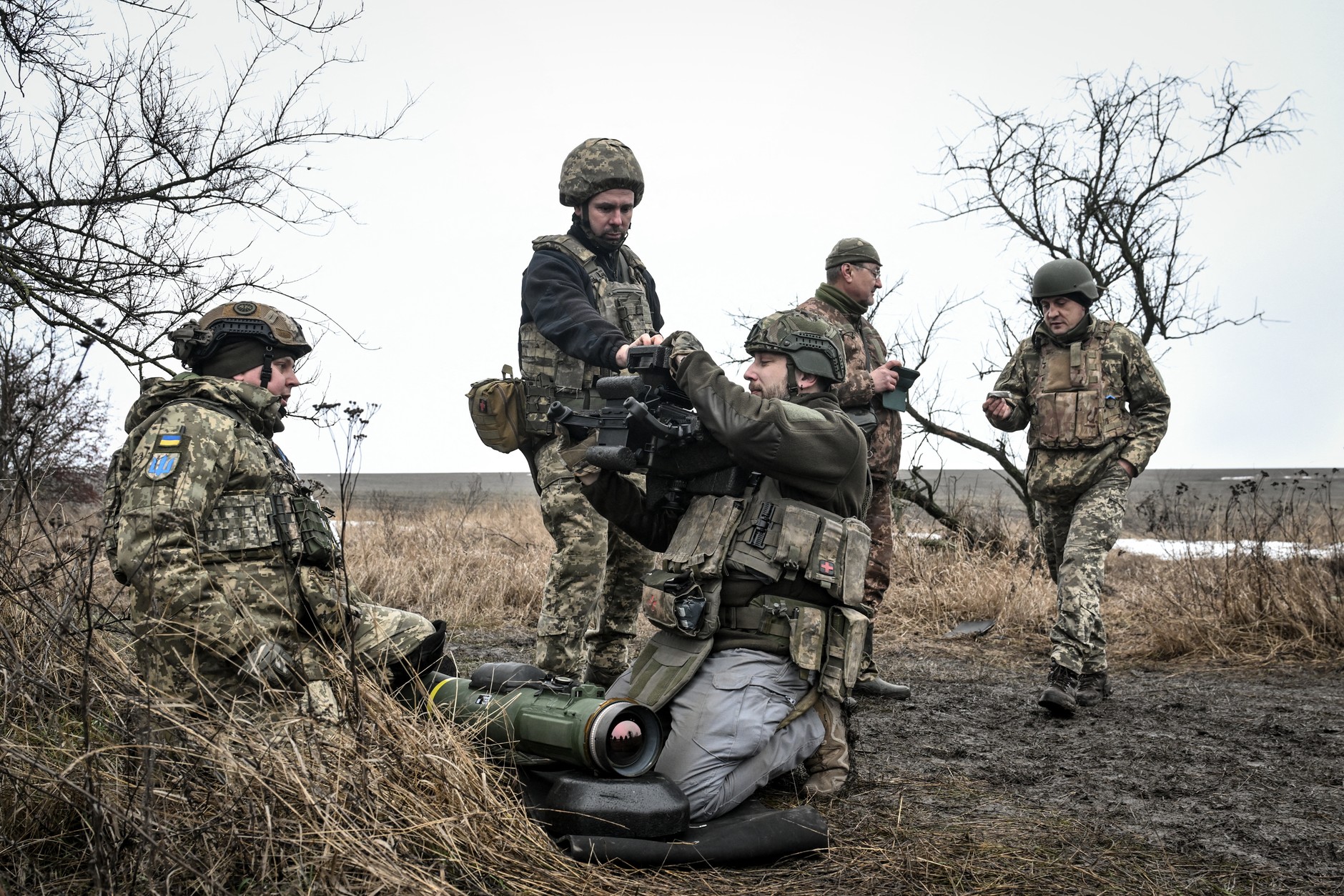
Ukrainian soldiers on the front, January 8, 2026.Dmytro Smolenko / AFP
Difficult conversations
Despite intense diplomatic efforts, Europeans said they saw none signs that Moscow is ready to compromise on its core goals in the near future.
Another round of trilateral peace talks between the United States, Ukraine and Russia ended in Geneva on Wednesday. Russian negotiator Vladimir Medinsky described the session as “difficult but substantive.” He said a new round of negotiations would take place in the near future.
A source familiar with the talks told CNN that negotiators had made “gradual but significant progress” by agreeing on common terms and technical details to avoid misunderstandings and ensure an effective ceasefire.