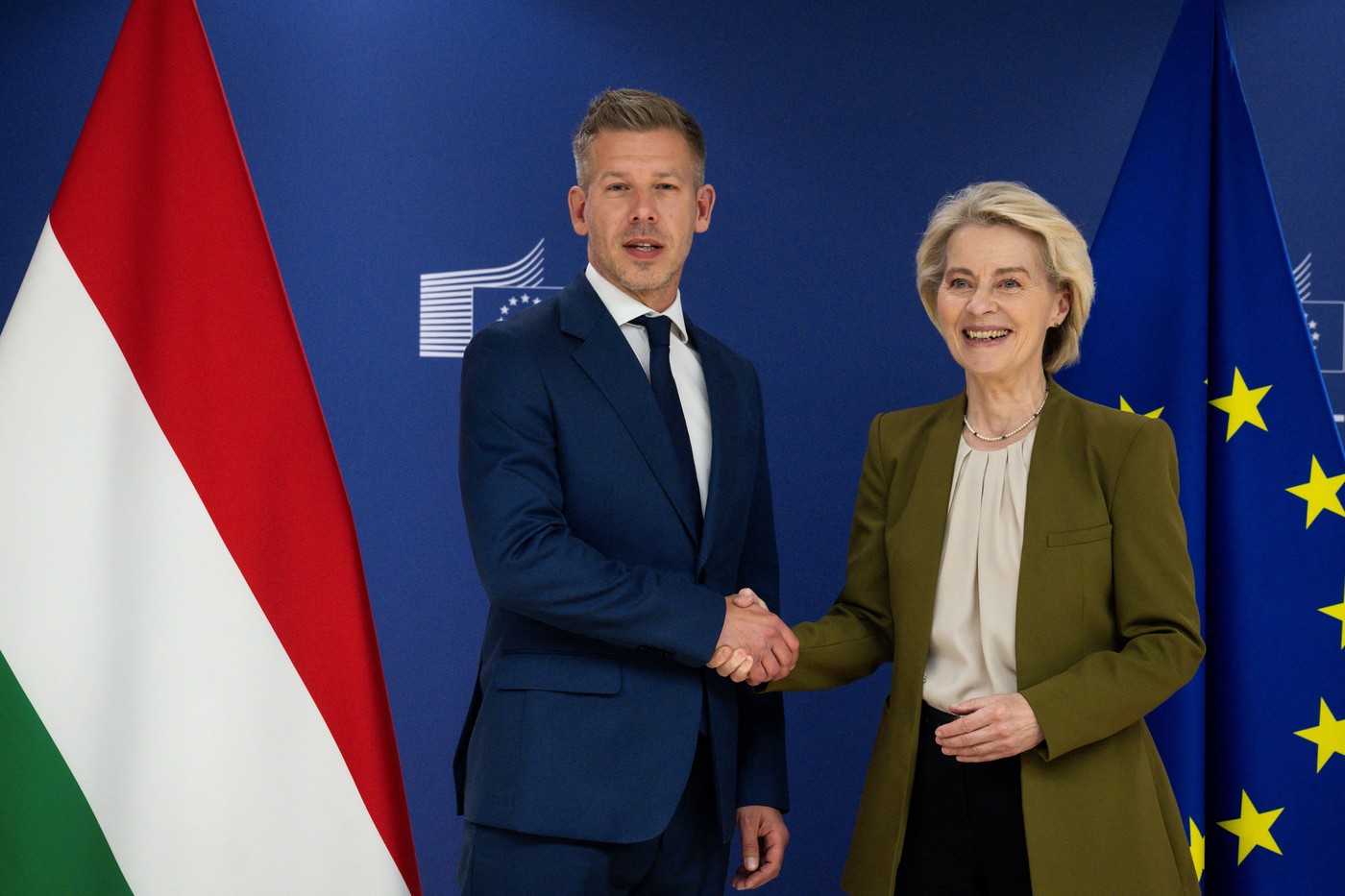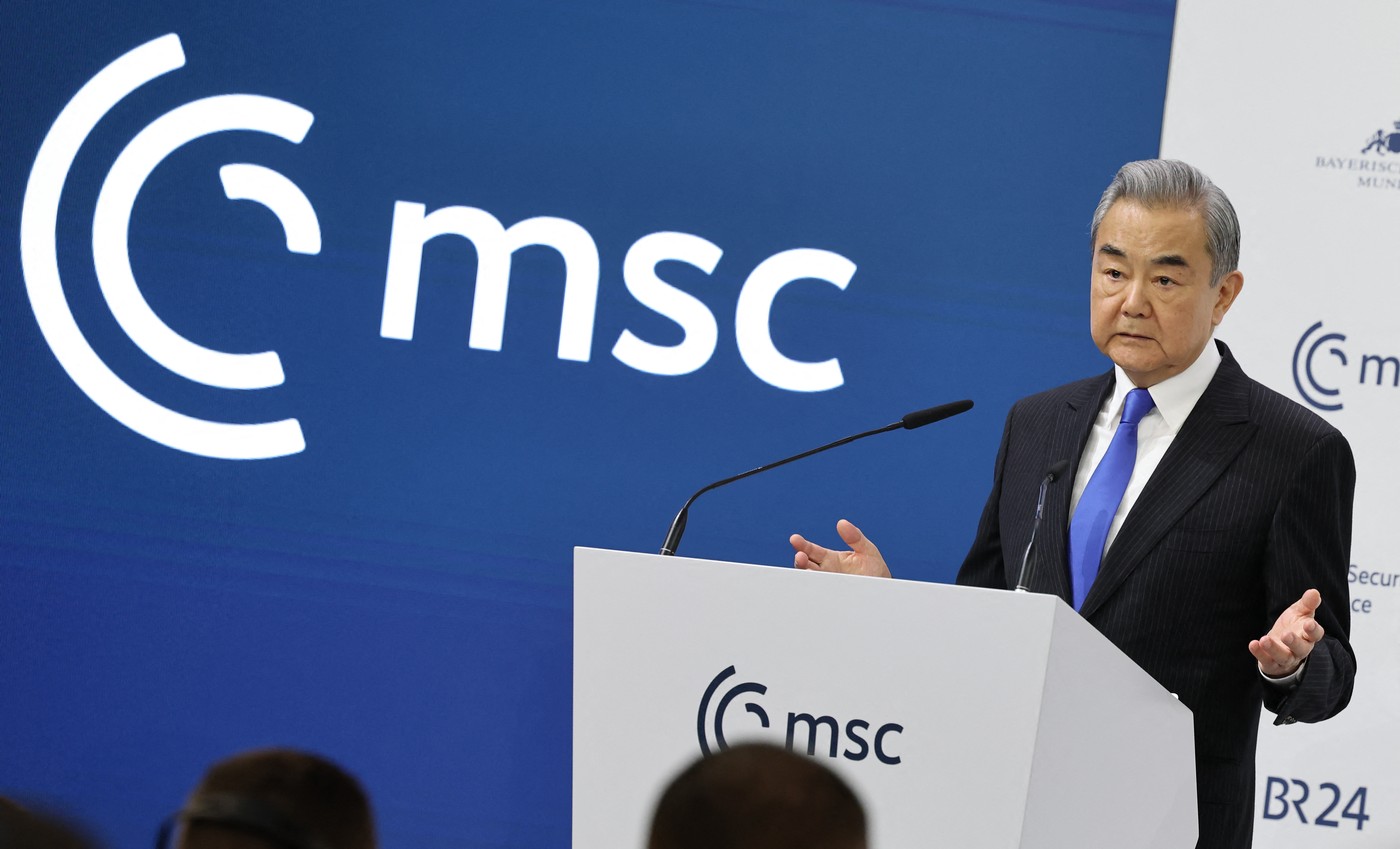
Minutes after US foreign policy chief Marco Rubio proclaimed that the United States and Europe “belong together” in a conciliatory speech at the Munich Security Conference, his Chinese counterpart took to the podium to present his country's position. “China and the EU are partners, not rivals,” said Chinese Foreign Minister Wang Yi, CNN notes.
“As long as we clearly understand this, we will be able to make the right choices in the face of challenges, prevent the international community from moving towards division, and promote the continuous progress of civilization,” the Chinese diplomat added.
The messages from Rubio and Wang come amid an overhaul of US foreign policy that has shaken America's longstanding relationship with its Western allies, which now openly declare that the era of US-backed global rules and security is over. Now he entered the race for the remodeling of what is to come, notes the website of the American television.
Rubio used the Munich security meeting to reassure European leaders that President Donald Trump's administration is loyal to their alliance, even as he believes they need to do more to support it and that the current international system should be “rebuilt.”
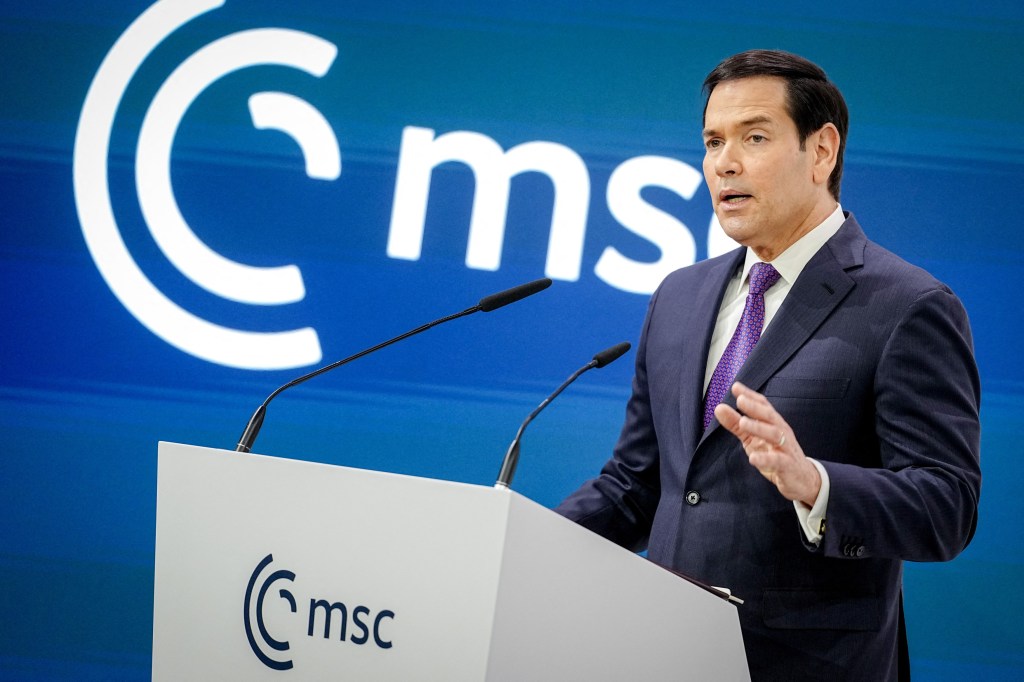 VIDEO Marco Rubio, historic speech in Munich: “The USA will always be a child of Europe”, but uncontrolled migration is not minor, it threatens our existence
Europe, invited to reject “unilateral practices”
And Wang, a veteran diplomat who embodied leader Xi Jinping's foreign policy for more than a decade, was ready with a carefully calibrated response.
The problems in the current international system do not lie primarily with the United Nations, he said, but with “certain countries that magnify differences, have an approach based primarily on national interests, engage in confrontation between blocs and revive Cold War thinking.” China and Europe, Wang added, in an apparent admonishment of US policy, should together reject “unilateral practices”, ensure free trade and oppose confrontation between the blocs.
But Wang presented China's approach at a time when Beijing is also trying to maintain stable ties with the US ahead of an expected visit by Trump to China this spring.
The stakes are high for this meeting between Xi and Trump, which could reinforce the relative stability between the world's largest economies that has emerged since the two met last fall in South Korea. When asked about the visit, Wang said in Munich that he was “confident” about the prospects for Sino-US relations, but warned of a possible deterioration.
There are “two different perspectives” on the bilateral relationship: one in which the US can “reasonably understand China” and cooperate, another in which the US tries to disengage, opposes China instinctively and violates China's “red lines”, including on Taiwan. The latter path could “push China and the United States toward conflict,” Wang Yi added.
Preparing for the Trump-Xi meeting
And Rubio addressed the US-China relationship at Saturday's conference, saying it would be “a geopolitical mistake” for the planet's two biggest powers not to communicate to manage areas where their interests don't align.
Rubio and Wang met on the sidelines of the Munich Conference for talks that appear to set the stage for Trump's upcoming visit. Wang said Friday's talks were “positive and constructive” and that diplomats “will jointly implement the important consensus reached by their leaders.”
The crucial question is to what extent Europe is interested in listening to China's position. Beijing has long sought to promote a vision of a world no longer dominated by US-led alliances and friendlier to Chinese interests. Europe is seen as a pole of power that should not easily join the United States.
China is “a steadfast force for peace” and “a hopeful one for stability,” was Wang's message, in the context of Xi's initiative to reshape global governance.
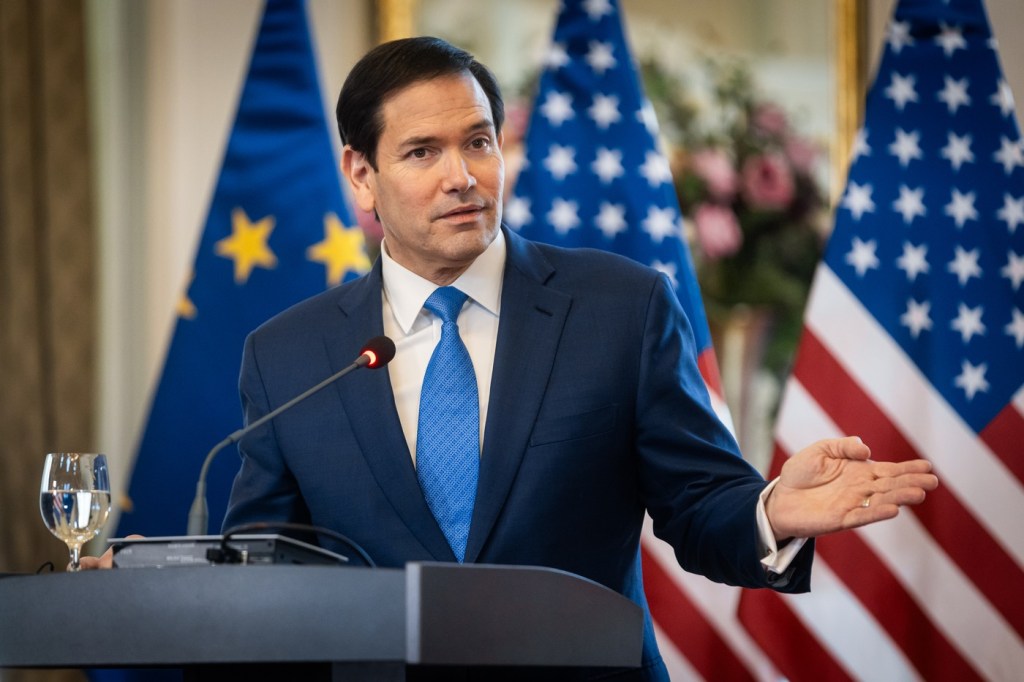 “We don't want Europe to depend on us, we don't ask for the US to be a vassal.” Marco Rubio, new messages to Europeans, in Slovakia
European fears of China
But Beijing's message has had a difficult audience, as European leaders worry about the growing trade deficit with China and the country's control over strategic supply chains. In addition, ties have cooled in recent years over Chinese support for Russia and its war against Ukraine, and European leaders are increasingly concerned about China's military aggression in the South China Sea and around Taiwan, which Beijing considers its territory.
Taiwanese Foreign Minister Lin Chia-lung on Sunday disputed China's positioning as a peaceful power, saying recent “military provocations” defied UN principles. China had argued that the military maneuvers were aimed at defending national sovereignty, and Wang accused some countries of “trying to distance Taiwan from China” and labeled Japan as a regional threat.
Despite these fears, Beijing sees an opportunity as Western leaders recalibrate their foreign policy in the face of changing relations with the US. Several leaders of US allies have already visited Beijing in recent months, seeking to deepen cooperation and dialogue with China.
Ahead of the Munich event, organizers proclaimed that the post-1945 US-led international order “is being destroyed”, with the US acting as the main destructive force.
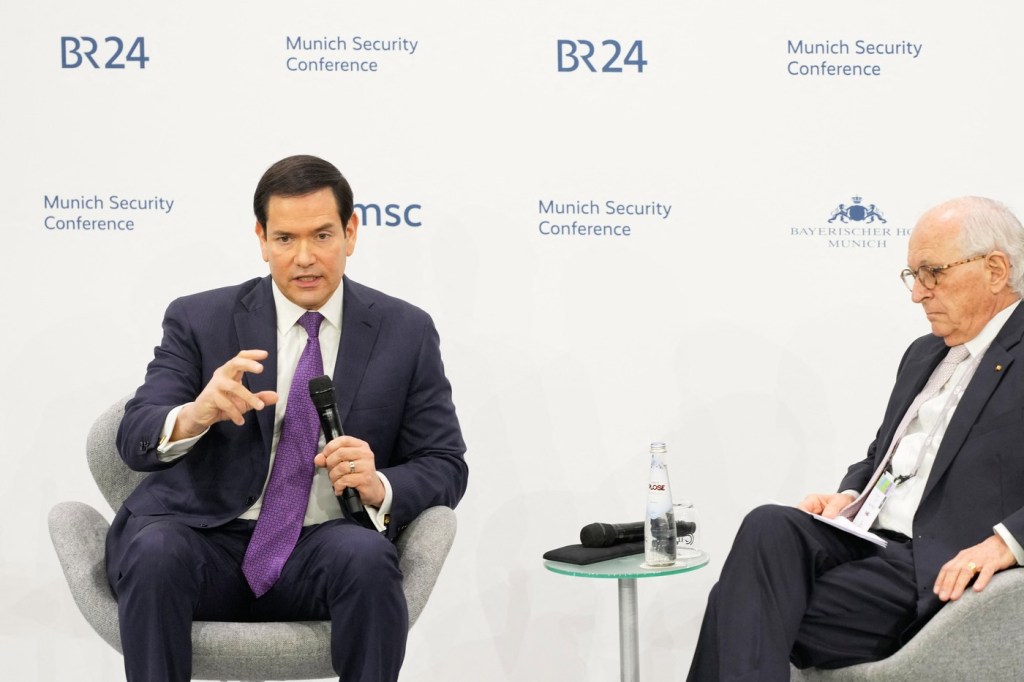 Rubio's speech did not reassure all European leaders regarding the Trump administration. “It's a poisoned gift” / “It was MAGA, but without any perspective”
Europeans may have breathed a “sigh of relief” after Rubio's speech, as the conference president put it, but Trump's threats to take control of Greenland are still ringing in their ears. And Beijing hopes that Europe will at least listen more carefully to its message.