According to the Vortexa platform, which specializes in tracking ship routes, since February 10, several dozen Russian tankers carrying approximately 143 million barrels of crude oil waiting for buyers have been waiting at sea. This is almost half of the monthly production, taking into account the country's production levels in 2025. “Most of them are located near ports in Russia, India and China or in transfer zones along major trade routes, such as the open waters off Malaysia.” – says Emma Li, chief oil market analyst in China at Vortexa, quoted by the Wall Street Journal.
See also: Putin's oil fortress is cracking. Russian oil is losing support that saved the budget for years
Increasing discounts on oil from Russia
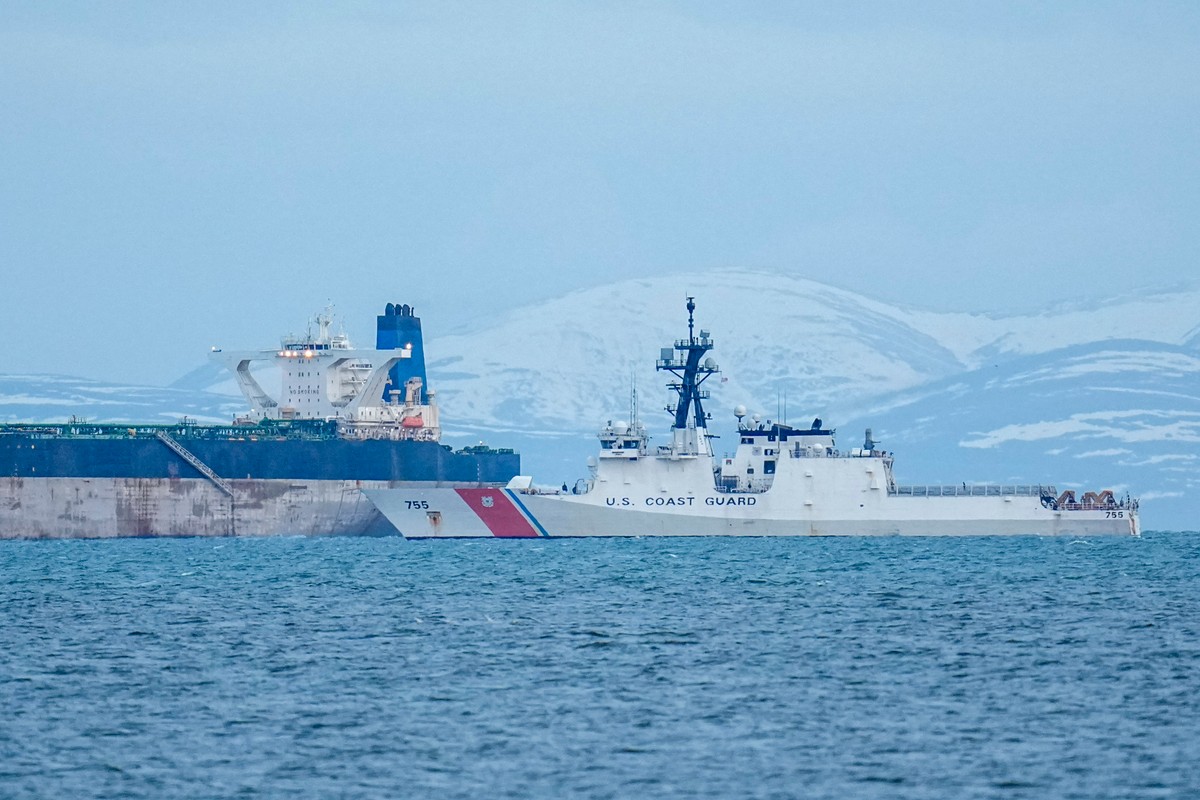
This is the result of pressure from the US and European Union countries – not only sanctions, but also, among others, high-profile takeovers of ships belonging to the Russian shadow fleet and attempts to influence the most important buyers of Russian raw materials, e.g. India.
As “WSJ” points out, traditional buyers of Russian oil, including Indian and Chinese state refineries, remain cautious. To attract private buyers in China, Russian sellers are increasingly having to lower prices to compete with cheaper oil from Iran. According to an expert from the Vortexa platform, whether Russia will manage to get rid of the barrels of oil floating in the seas depends largely on the level of discounts.
However, these already reach the limits of possibilities. As “WSJ” quotes, Russia's main grade of oil, known as Urals, is now valued at approximately $45. per barrel, i.e. by a record $27. below the international benchmark Brent. “When oil sits on a tanker off the coast, hoping for a buyer, the seller is not in a good negotiating position,” said Ronald Smith, co-founder of Texas-based Emerging Markets Oil and Gas Consulting Partners.
See also: It has been a key segment of the Russian economy for years. “The lowest level since the pandemic”
A “critical moment” is approaching for Russia. If the amount of oil on drifting tankers is not reduced, Russia will eventually have to slow production because it will run out of space to store the oil.
In January, Russia's oil and gas revenues were the lowest since July 2020. China is still the main buyer, but experts say there is a limit to how much it is willing to accept. India – until recently one of Russia's largest customers – withdrew from purchases after sanctions imposed by the US on two Russian oil companies and European Union restrictions on products made from Russian crude oil. In January, India recorded its lowest monthly purchases of Russian oil since December 2022.