Hurt, but not dead. The US-Europe alliance is entering a new era. All eyes are on Munich. “We cannot allow ourselves to be intimidated”

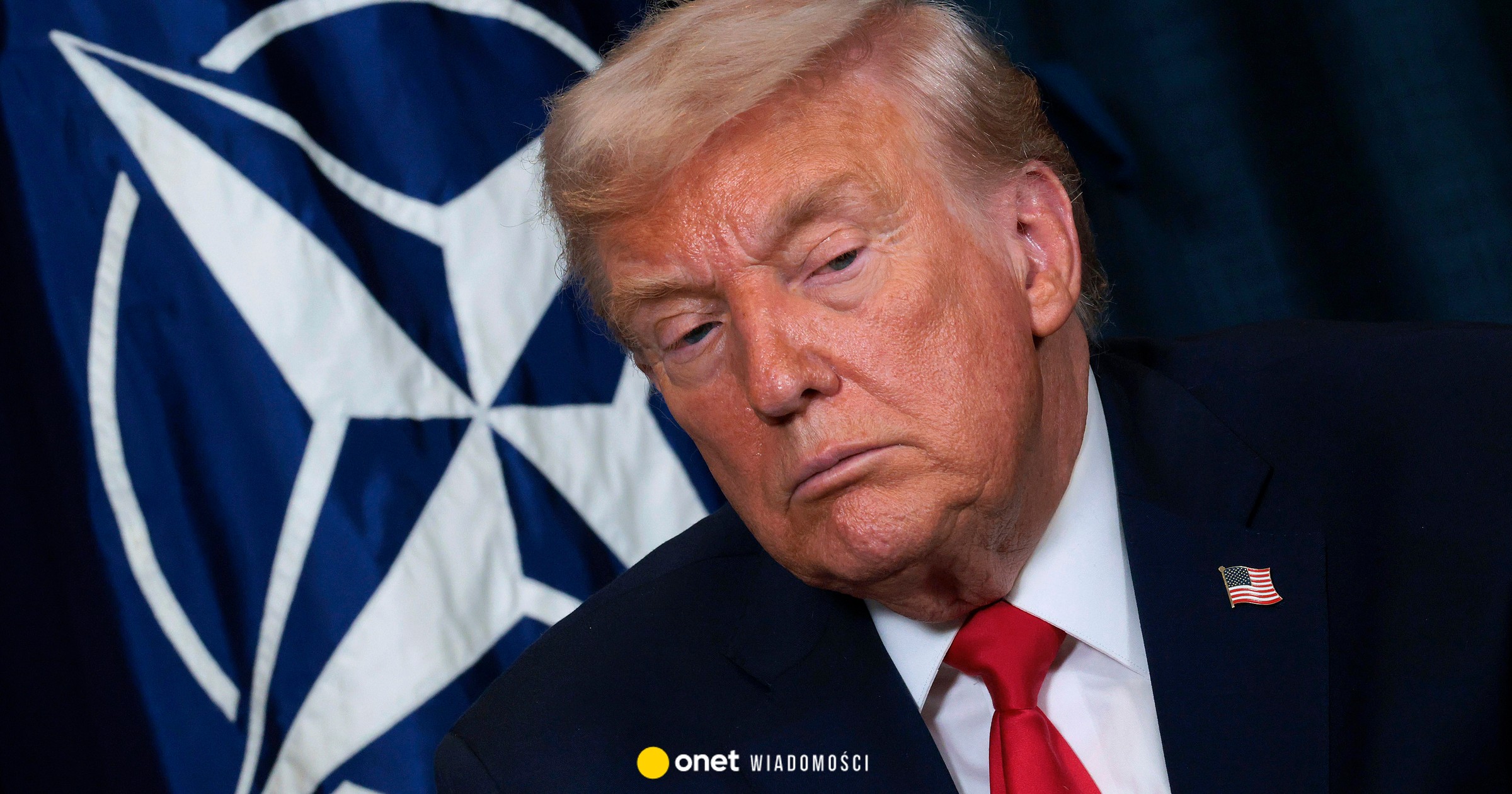
But even with the most serious cracks in the 70-year history of relations, ties between Washington and NATO have not been completely severed. Interviews with more than a dozen diplomats and military commanders on the continent reveal skepticism about the alliance's collapse. The interlocutors predict that the alliance will remain, but probably in a completely different form.
First, European leaders are increasingly confident that they can deal with more problems on their own — and may have to do so if President Donald Trump decides to cut ties altogether.
— They don't abandon us says a policy official from a NATO country. — But there has been a change in priorities.
Annual summit in Munich this week will be a test this growing self-confidence and long-standing transatlantic ties that, although strained, are still firmly connected.
Representatives of both the United States and Europe note that diplomacy and contacts between the armed forces are at a working level proceed in a healthy and productive manner. They point to regular joint military exercises on the continent, mostly positive talks about keeping American troops in Europe, and the respected American general Alexus Grynkewich, who commands NATO's armed forces.
The Alliance agreed to increase defense spending to 5%. GDP to meet Trump's demands, and countries are buying American weapons at record rates.
— Regarding Greenland We were close to the point of no return – admits a European official who, like other interlocutors, asked to remain anonymous. — I hope that in Munich they will really feel that Europe has changed. Yes, we need the United States, we will cooperate as much as we can, but there is very little trust left, he says.
A 180 degree change
The Munich conference, which begins Friday and brings together U.S. and European policymakers, will be an opportunity to showcase some of these changes in the relationship. American participation will look different than in previous years. Secretary of State Marco Rubio will deliver the speech in place of the vice president, who traditionally appears to highlight the ties of the transatlantic alliance and the shared history of the two continents.
Defense Secretary Pete Hegseth will also not attend the meeting of NATO defense ministers in Brussels the day before the opening of the Munich conference. which is another signal of a change in relations. He is sending the Pentagon's most senior policy official, Elbridge Colby, who will be one of the few U.S. defense officials at the conference.
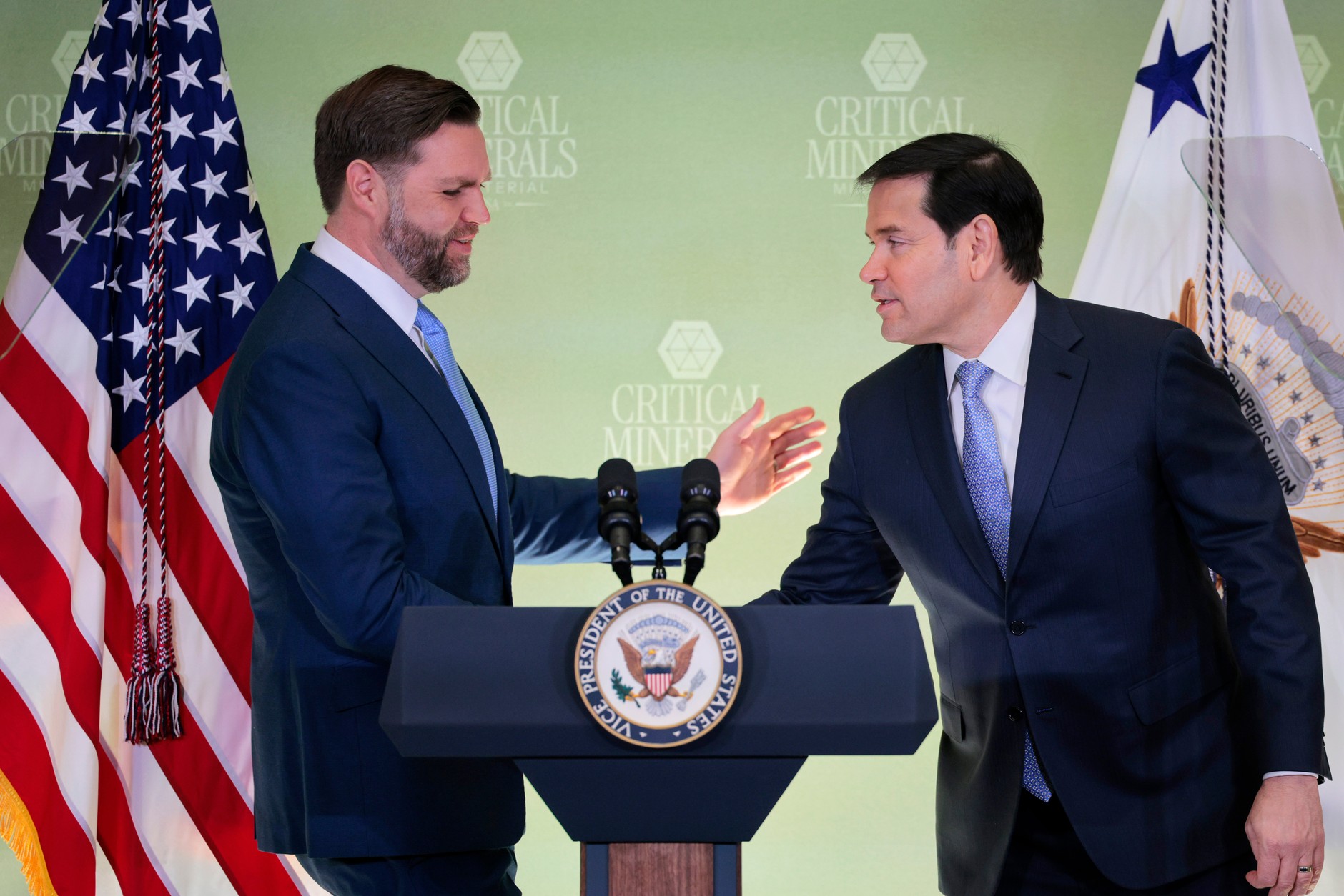
U.S. Vice President J.D. Vance and Secretary of State Marco Rubio in Washington, February 4, 2026.Chip Somodevilla / Getty Images
Vance's decision to skip the Munich conference comes as a relief to those working to maintain stable transatlantic relations. Foreign diplomats do not expect Rubio to use the conference to pick a fight with Europe, said one foreign official, who sees Vance's absence as a sign of the administration's desire to focus more on domestic policy ahead of the U.S. midterm elections.
European officials are focusing more on common goals they can pursue with Washington, such as trade talks. This is partly because the allies have gone through many difficult experiences together, including the devastating war in Afghanistan and rapid military modernization following Russia's invasion of Ukraine in 2022.
President of Russia VladimirPutin failed to divide us” – says a military officer from a NATO country. – On the contrary. Even Sweden and Finland have become members of NATO… We are in a better situation and everyone is convinced that NATO is crucial – not only Europeans, but also many Americans.
But officials on the continent continue to see a profound change. — They understand that the current administration prefers bilateral cooperation with governments rather than with the European Union, which is a big change, notes Pablo Hispan of the Council of Europe. In his opinion, this is it a “180-degree change” from previous administrations.
“We shouldn't be intimidated”
European leaders are starting to take more actions independent of the United States. Sweden, Norway, Germany and the Netherlands publicly confirmed last week that they were in talks on the topic European nuclear deterrentwhich would complement the American one.
One diplomat called it a “watershed moment” when Carney defended the so-called “middle powers”, which – in his opinion – “must act together, because if we do not sit at the table, we will find ourselves on the menu.”
According to the official, European countries must show determination and not blindly follow others. “Europe can stand up to Russia on its own,” he says, noting that the Russian economy is only slightly larger than Italy's. However, he adds that Europe must still remain close to the United States economically and militarily.
One of the biggest concerns is how committed the United States is to maintaining a strong presence on the continente, which Trump and his allies say may change.
Few expect serious public disagreements with the Americans in Munich, but they seem more ready to defend their position if necessary. — It is better to prepare internally in advance and be stronger, emphasizes one of the diplomats. — However, we should not allow ourselves to be intimidated or enslaved.